What happens when a country with triple-digit inflation and chronic fiscal deficits elects a chainsaw-wielding populist with a dead dog for chief counsel as president?
Back in November, following the unexpected triumph of the self-styled “anarcho-capitalist” Javier Milei in Argentina’s presidential election, I expected the economy would further collapse in short order.
Thankfully for the people of Argentina, that didn’t happen. In fact, since taking office in December, President Milei’s economic team has seemingly achieved what I (along with most political analysts and economists) thought impossible: Monthly inflation has come down every month for the past three months, from 25% in December to nearly 10% in March, with forecasters expecting the April figure to come in at single digits. The government did this by turning the 5.5% budget deficit it inherited into the country’s first surplus in over a decade, while boosting the central bank’s reserves, lowering its benchmark interest rates, and reducing the money supply – all without destabilizing currency and financial markets.
That’s not to say average Argentines are having a good time (more on this below). But this is a big deal nonetheless, and it’s one that I’m very happy to have been wrong about – just as I’ll be happy if I’m wrong about Ukraine eventually getting partitioned (although I’ll take the under on that).
Why didn’t the economy collapse?
One key reason is that President Milei turned out to be significantly more sensible and moderate than candidate Milei, to most everyone’s surprise.
Unlike Argentina’s last several administrations, which were known quantities to anyone who covered the country, Milei and his inner circle were completely untested outsiders with a reputation for intransigence and ideological dogmatism. Absent a better first-hand assessment of him and the people surrounding him, I was more willing to take his campaign promises and stated views at face value than I would have otherwise. And let me tell you, some of those were … pretty out there.
Upon taking office, however, Milei proved himself more willing to listen, engage, and compromise than I expected. Despite his combative rhetoric, the most institutionally weak president in modern Argentine history – with little support in Congress and among governors – went back on his promise never to negotiate with the so-called “political caste.” He quickly backed off the most outlandish/ambitious (depending on who you ask) libertarian economic policies he and his original advisors had run on – at least for now. The most notable of these were dollarization (aka replacing the peso with the greenback as the local currency), abolishing the central bank, and lifting currency controls, which if implemented on day 1 as pledged would have caused the sharp and immediate crisis that I predicted.
Instead, Milei appointed a strongly pragmatic economic team that has been well-received both by markets and the IMF – two essential players in Argentina’s economic stabilization. Led by the experienced ex-banker Luis Caputo, whom former president Mauricio Macri nicknamed “the Messi of finance,” the government embarked on a sweeping shock therapy agenda consisting of a 54% devaluation and draconian fiscal and monetary tightening. Wisely (but contrary to economic orthodoxy and Milei’s campaign rhetoric), they decided to keep currency and capital controls in place to prevent a disorderly run on the peso from wreaking havoc on markets. The gamble has paid off thus far, with investors, businesses, and the IMF all welcoming Milei’s steps with open arms.
Can it last?
While shock therapy has been successful at balancing the budget and slowing inflation, it has come at a great social cost. The fiscal and monetary austerity has caused a deep recession, with economic activity shrinking more than 10% year-on-year in March, unemployment rising, and real salaries hitting their lowest point since 2003. The government is hopeful that all the sacrifice will soon give way to a V-shaped recovery as output expands in the second quarter thanks to agricultural exports. However, most economists are skeptical, and it’s unclear how much more pain Argentines will be willing to take before they turn on the president’s policies.
Caputo’s original deficit reduction plan envisioned a mix of 60% spending cuts and 40% tax increases. That plan, however, was blocked by Congress earlier this year, leaving the government with no choice but to rely on unpopular spending cuts for the bulk of it. While Argentina's public sector is without a doubt excessively bloated and in need of a good trim, many of the real-term cuts (referred to as “blending” in Argentina) to social spending that the Milei administration is banking on to balance the budget are regressive, recessionary, and therefore socially and politically unsustainable.
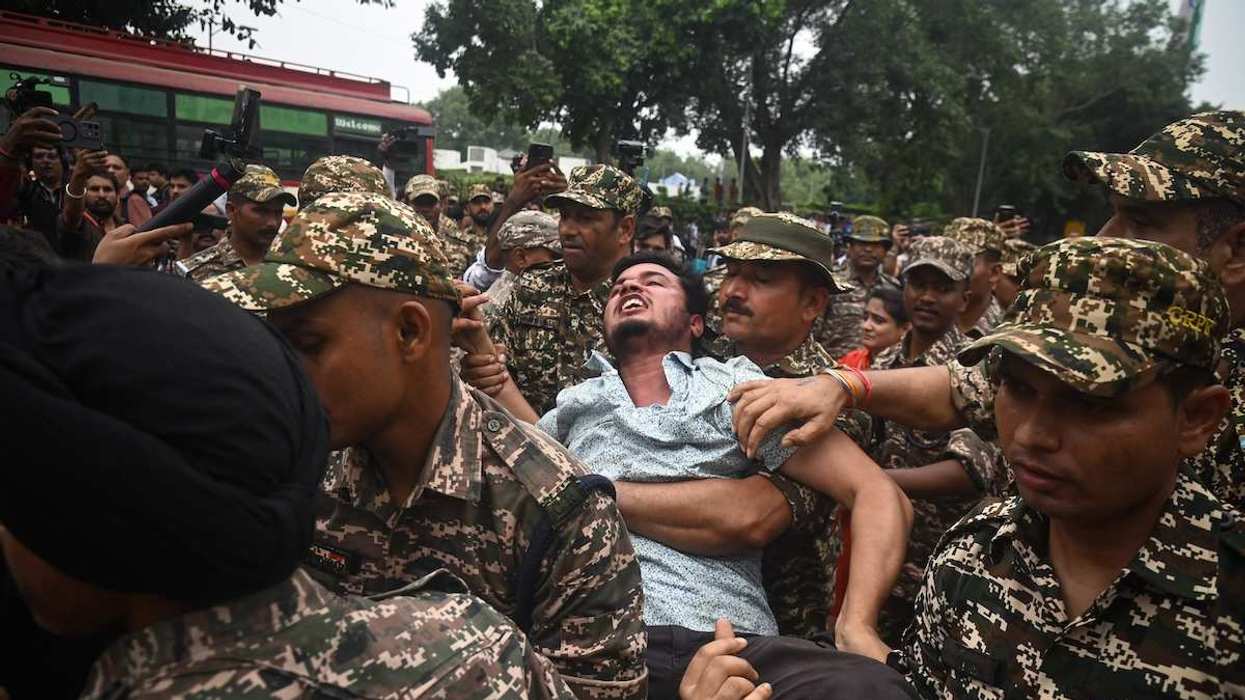
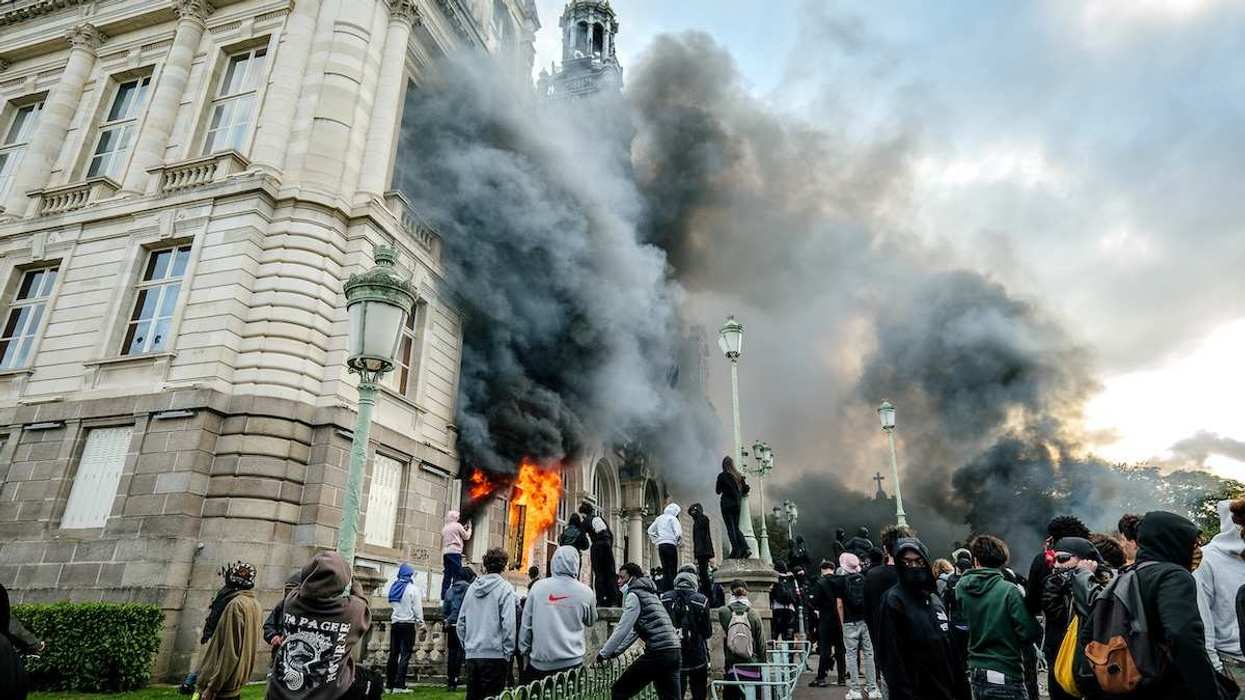
Mass protests against budget cuts to public universities two weeks ago drew more than 400,000 people, and labor unions called for a nationwide general strike tomorrow. Public discontent can only intensify as the austerity measures cut deeper, further undermining the president’s ability to pass legislation and limiting his room to maneuver. With the president’s approval ratings starting to trend down (albeit from honeymoon-level highs) and opposition to his policies mounting both on the streets and in Congress, this is the greatest risk to Milei’s plan.
Will Milei and Argentines have what it takes to stick with the treatment until the patient is cured? Or will they let this painful fiscal adjustment and recession go to waste even though their best chance for success in decades could be right around the corner?
As a fan of Argentina (and, you know, people in general), I know what I’m hoping for. But as they say, hope is not a strategy.