Skip to content
Search

Latest Stories

climate catastrophe

Google's new chatbot, Bard.
Economy

Hard Numbers: Meet Bard, grim new climate report, Colombia’s Toro ban, Uganda’s anti-LGBTQ law, IMF approves Sri Lankan relief

A new UN report says the world has less than a decade to limit global warming to 1.5 degrees Celsius above pre-industrial levels (the 2015 Paris Agreement’s target).

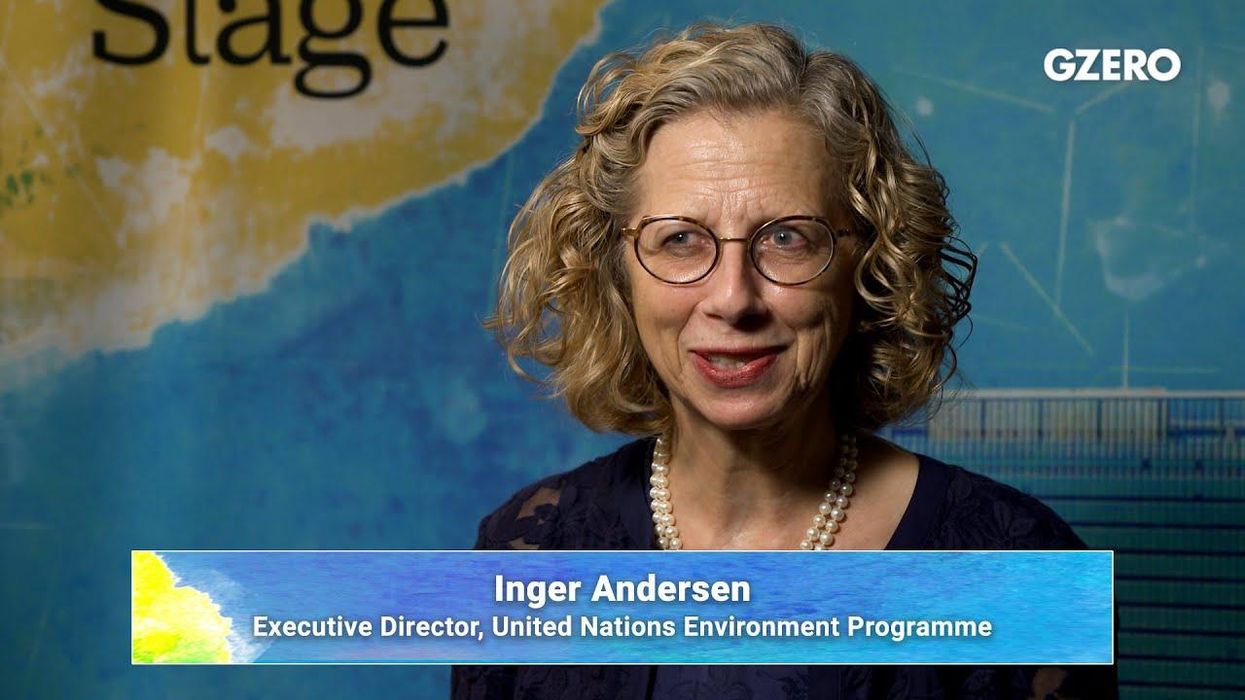
UN Environment Chief: “The truth is we are failing”
Crisis Recovery

UN Environment Chief: “The truth is we are failing”

Inger Andersen, Executive Director of the United Nations' Environment Programme, issued a dire warning about climate change in a new interview with GZERO Media. In 2021, UN Secretary-General António Guterres described the world as standing “at the edge of an abyss,” and that next steps on climate were urgent and critical. “I think if you ask people on Pacific islands whose lands have been lost, they've already fallen off,” Andersen told GZERO. “Or even if you ask people in California whose houses got burnt in a wildfire, they have fallen off.”

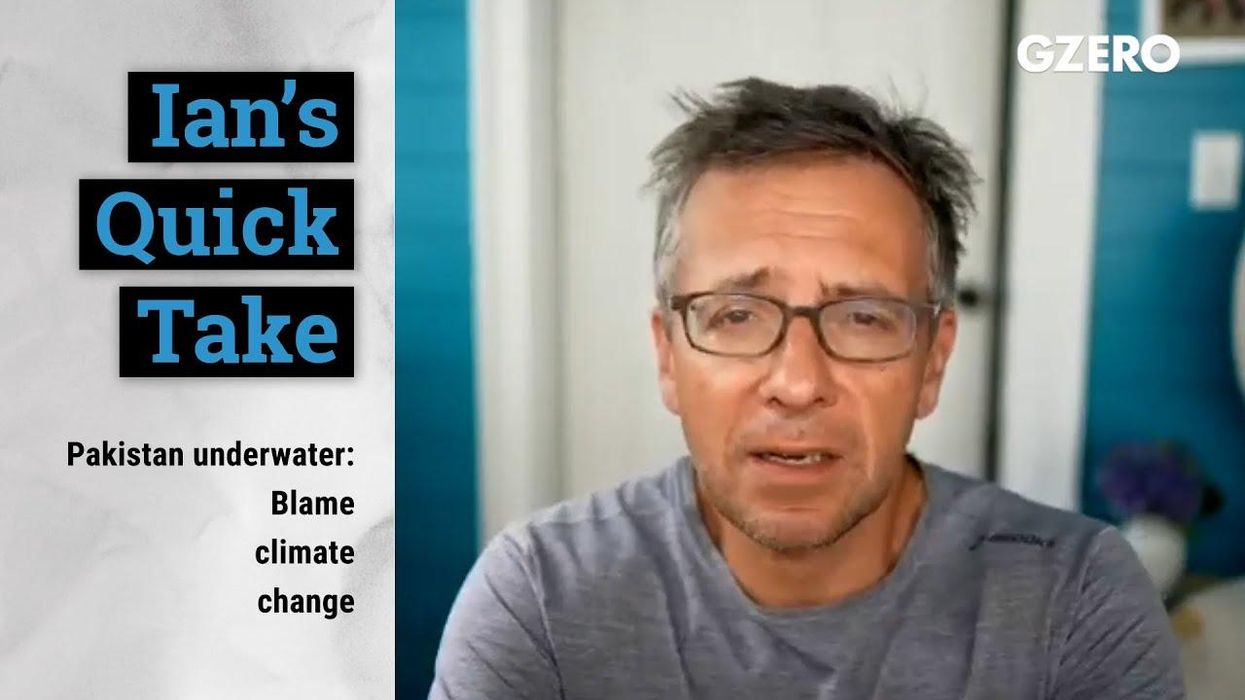
Pakistan underwater: Blame climate change
Quick Take

Pakistan underwater: Blame climate change

Ian Bremmer's Quick Take: Pakistan can't catch a break: their economy is in free fall, given huge mismanagement internally, a lot of corruption, and getting hit by inflation and global supply chain challenges. On top of that, Pakistan is experiencing massive political instability, given the ouster of the former prime minister. Big demonstrations across the country, especially now that Imran Khan is facing potential incarceration from the court, which has claimed that he has made statements that amount to a promotion of terrorism. It's a massively divided country. And now more than 1000 are dead and over 10 million Pakistanis displaced from unprecedented levels of flooding.

Nations don’t need carbon to grow their economies, says John Kerry
popular

Nations don’t need carbon to grow their economies, says John Kerry

If John Kerry were only able to accomplish one thing as US climate change czar, he'd focus on changing the minds of the one-third of countries in the world that say they're "entitled" to pollute because they didn't before. For Kerry, it's a fallacy that heavy carbon use is the only way to develop an economy because these nations can leapfrog from fossil fuels to renewable energy.

How did COVID affect climate, US-China relationship?
GZERO World Clips

How did COVID affect climate, US-China relationship?

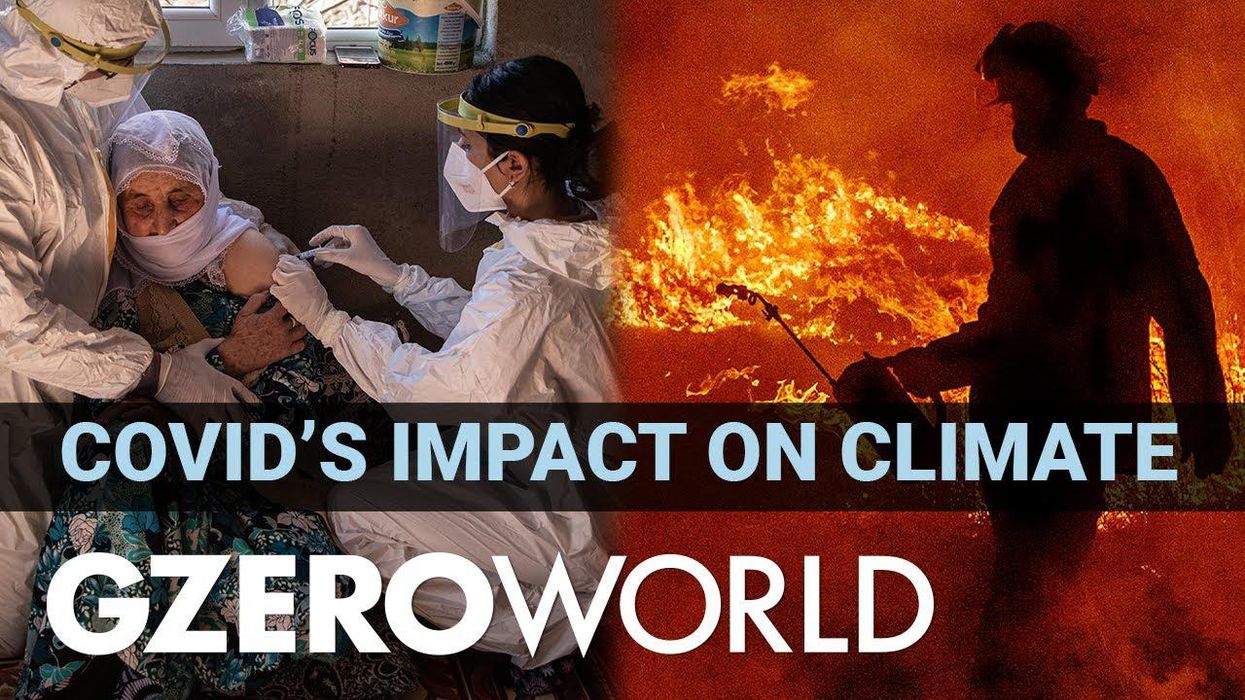
On the one hand, UN Secretary-General António Guterres believes COVID has fractured trust between mainly rich and poor countries, especially on vaccines, as the pandemic "demonstrated our enormous fragility." On the other hand, it generated more trust in science, especially on climate — practically the only area, Guterres says, where the US and China can find some common ground these days.

UN Secretary-General Guterres has a warning for disunited nations
Posts

UN Secretary-General Guterres has a warning for disunited nations

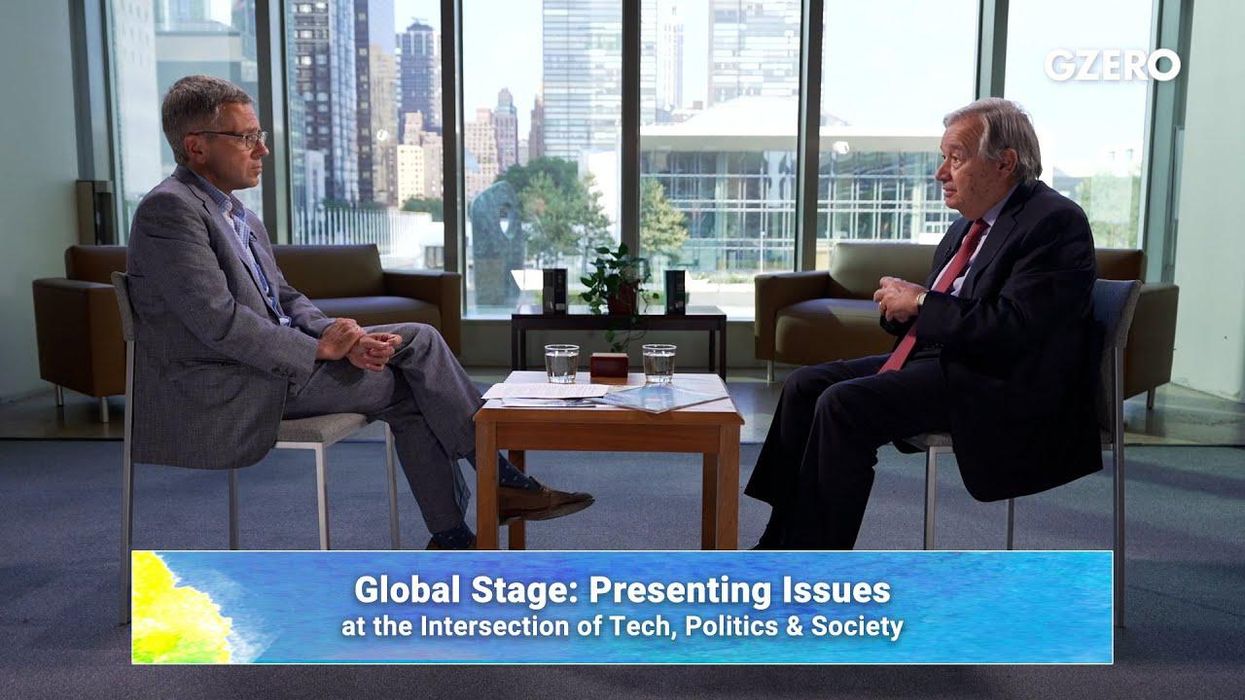
In a frank (and in-person!) interview, António Guterres, the United Nations Secretary-General, speaks with Ian Bremmer at the UN ahead of the annual General Assembly week. Guterres discusses COVID, climate, the US-China rift, and the ongoing crisis in Afghanistan, and does not mince words when it comes to the dire state of the world. "We are standing at the edge of an abyss," Guterres warns.

UN Chief: Still time to avert climate “abyss”
GZERO World Clips

UN Chief: Still time to avert climate “abyss”

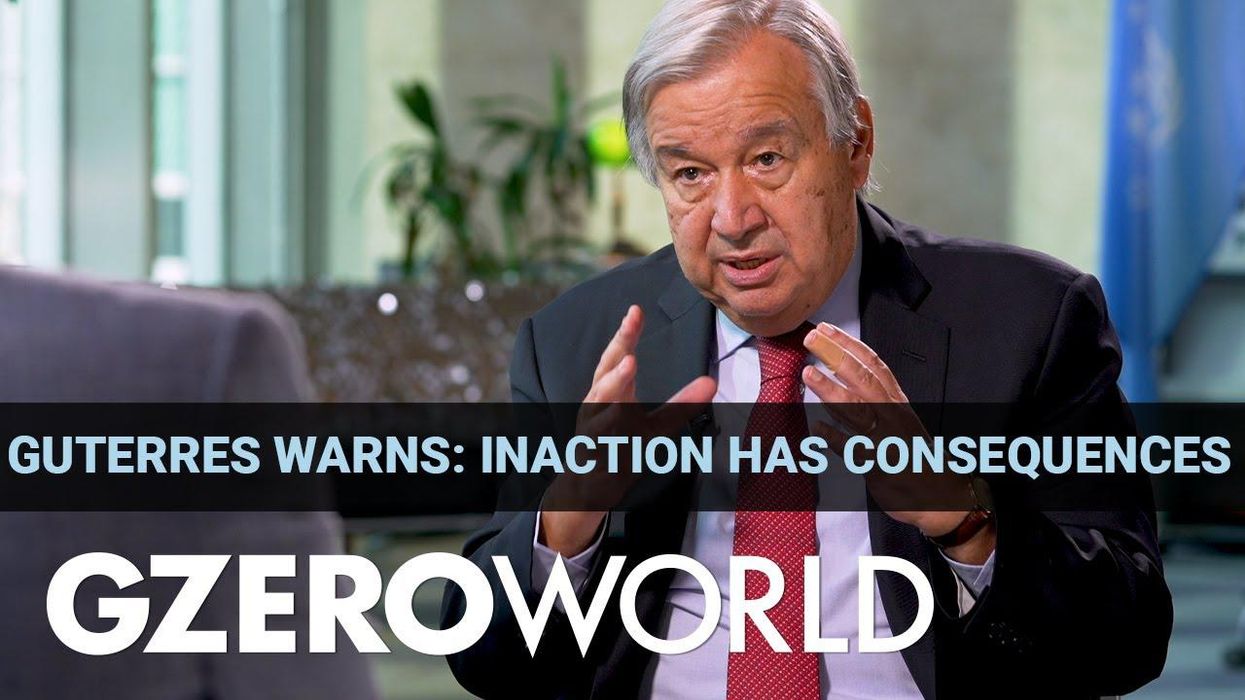
For UN Secretary-General António Guterres, the pandemic has made the world even more divided than it was before COVID. That's especially true on climate, in his view, because rich and poor countries simply don't trust each other anymore. If we want COP26 to succeed, Guterres says we must rebuild that trust — or face the consequences of inaction. "If you are on the verge of an abyss, you must be careful about your next step." Watch his interview with Ian Bremmer on the latest episode of GZERO World.

Will politics destroy the planet?
Quick Take

Will politics destroy the planet?

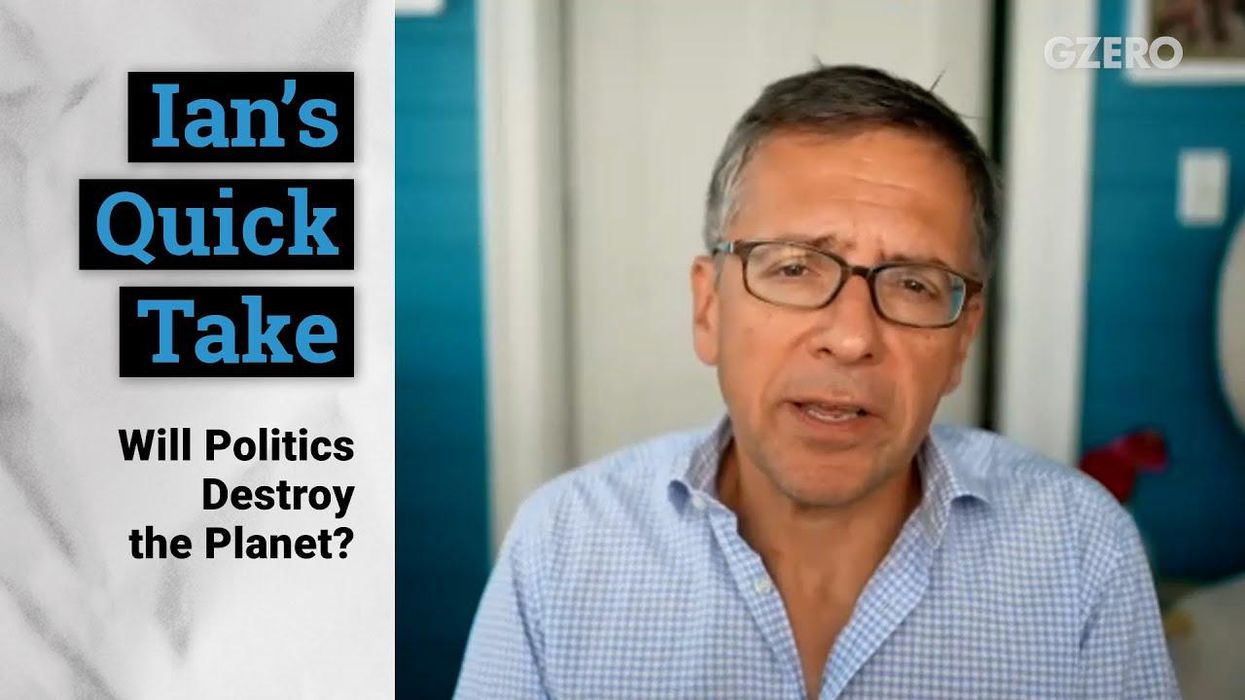
Ian Bremmer's Quick Take: I want to talk about the latest report from the Intergovernmental Panel on Climate Change, the IPCC. They release them every few years as sort of the state of the world on climate, on global warming, on sea level rise, on changes, and extreme storms, and droughts, and precipitation levels. And no one should be surprised that this is not a particularly happy piece of news. But this report, one thing I can say is that with over 200 countries participating, you get an overwhelming consensus around where the state of climate change actually is.

The surprising history of disaster
GZERO World with Ian Bremmer

The surprising history of disaster

COVID-19 was a global catastrophe that blindsided the world's wealthiest nations, and it's far from over. But as disasters go, it was hardly unprecedented. Humanity has a long history of failing to prepare for the worst, from volcanic eruptions to earthquakes to famines to shipwrecks to airplane crashes to financial depressions. But how do we get better at preventing such calamities from happening, and how many seemingly unavoidable "natural" disasters are actually caused by humans? On GZERO World, Ian Bremmer talks about all that and more with Stanford historian Niall Ferguson, who is just out with the perfect book for the topic, "Doom: The Politics of Catastrophe."