Skip to content
Search

Latest Stories

remote learning

COVID's impact on education and its long-term geopolitical consequences: Gerald Butts
Crisis Recovery

COVID's impact on education and its long-term geopolitical consequences: Gerald Butts

The impact of COVID-related educational disruption - and the growing inequality gap - could have big geopolitical fallout in the future. Why? Because with diminished education comes fewer economic opportunities. That will likely exacerbate already deep divisions, says Eurasia Group Vice Chairman Gerald Butts.

Post-COVID burnout for students is real, says US teachers union exec
Crisis Recovery

Post-COVID burnout for students is real, says US teachers union exec

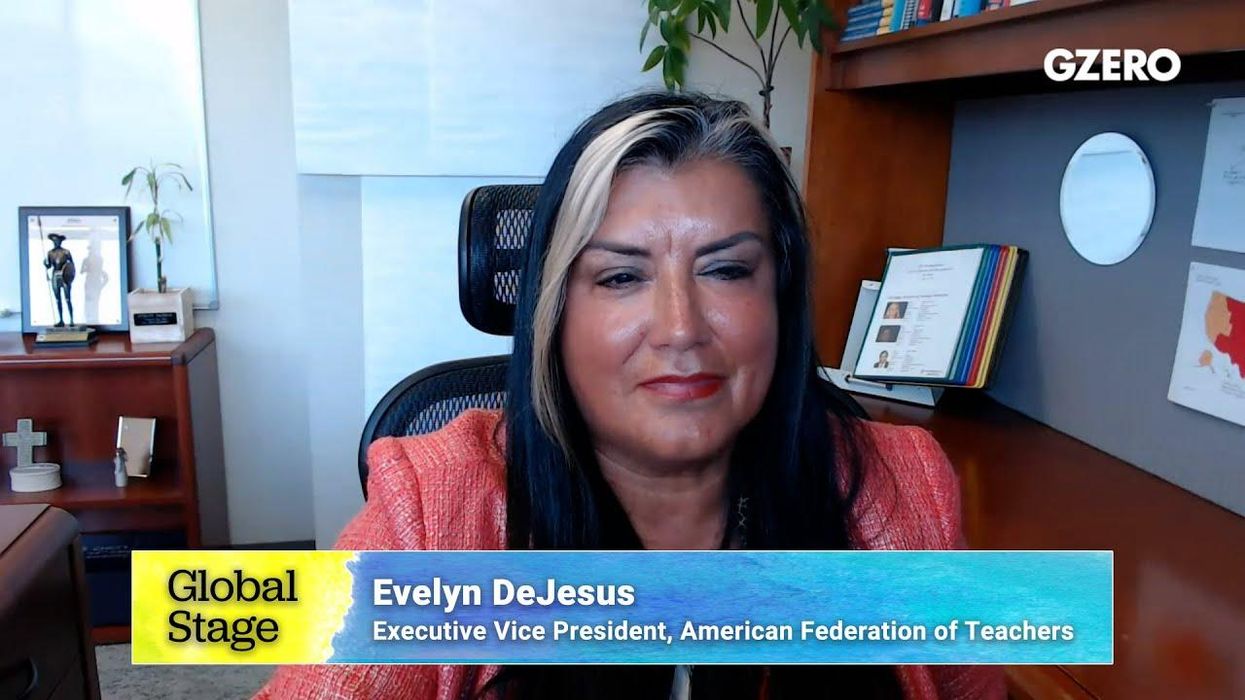
It's hard to overstate how awful the pandemic was for children in America. American Federation of Teachers Executive VP Evelyn DeJesus recalls how bad it got in New York City, where kids experienced the fear of their parents, who in turn worried about how COVID disrupted life and schooling for their children. She says during a Global Stage livestream conversation, teachers and parents worked very hard during that time. Their burnout is real, as is that of their kids.

Stanford President Marc-Tessier Lavigne: The future of in-person college learning
Science & Tech

Stanford President Marc-Tessier Lavigne: The future of in-person college learning

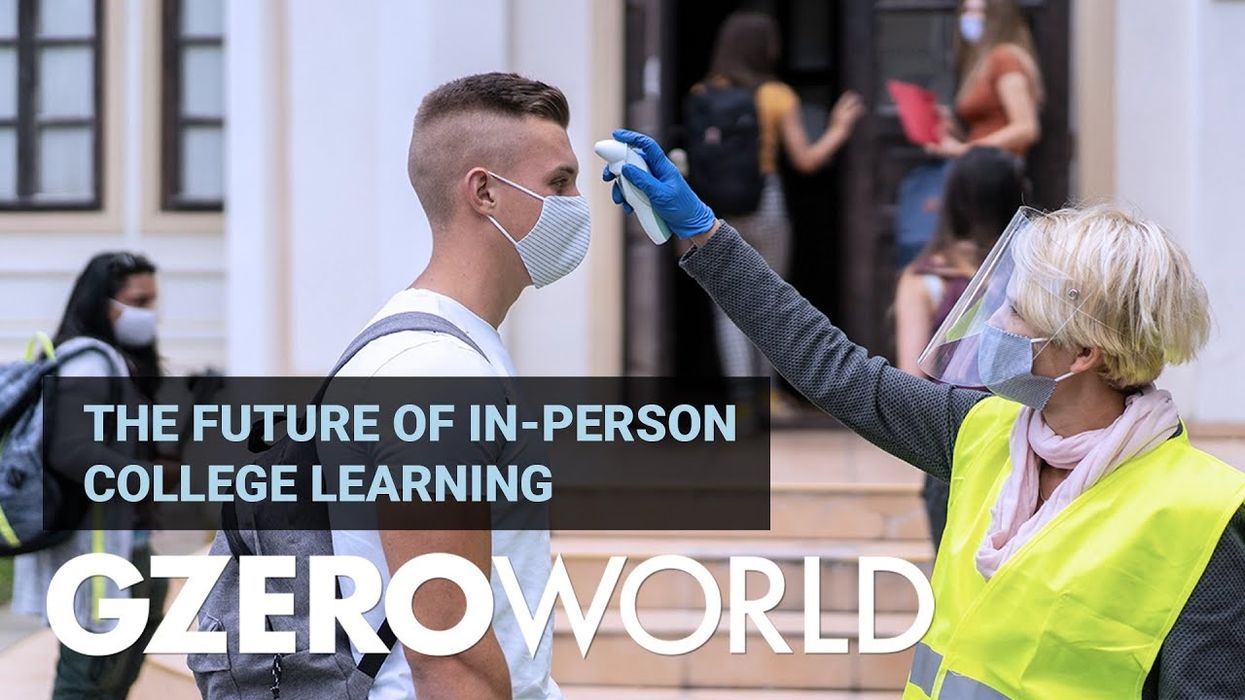
"I think that we can make education much more accessible while still highlighting the value of an in-person Stanford education" Stanford University president Marc Tessier Lavigne told Ian Bremmer. It will be the job of administrators, says Tessier-Lavigne, to determine how best to apply the "highs" of remote learning to a post-pandemic learning experience.

The global disruption in the education sector
GZERO World Clips

The global disruption in the education sector

This week, Ian Bremmer looks at how one affluent community in Chile sounded the alarm on in-person education in the COVID age long before the American academic school year started up this fall.

Stanford's president on the “new normal” for higher education after COVID
Science & Tech

Stanford's president on the “new normal” for higher education after COVID

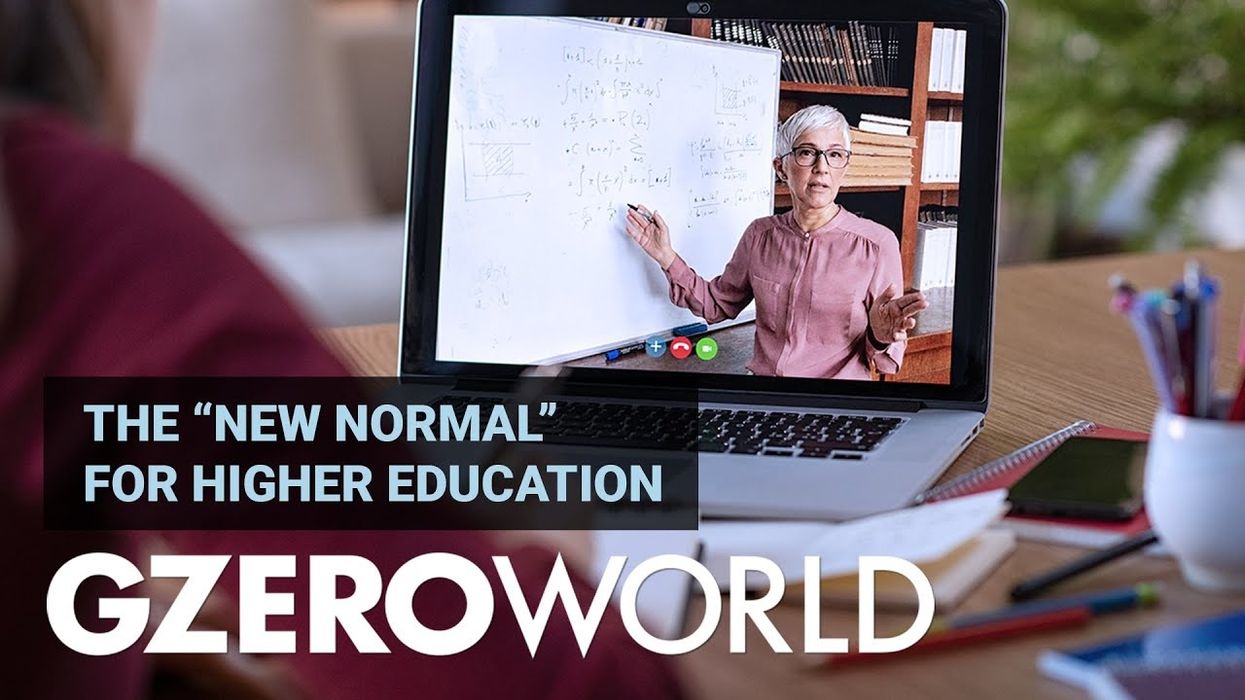
Certain adjustments that universities across the country made because of the pandemic may very well be here to stay. A vast expansion of the use of telehealth, says Stanford University president Marc Tessier-Lavine, may be one of those things. And even once students can come back to campus, certain remote learning programs may be here to stay. That said, there's no replacing the in-person experience, Tessier-Lavigne stresses.

Three steps to get remote & hybrid learning right
In 60 Seconds

Three steps to get remote & hybrid learning right

Kevin Sneader, global managing partner for McKinsey & Company, provides perspective and suggestions on remote and hybrid learning.