Skip to content
Search

Latest Stories

vali nasr

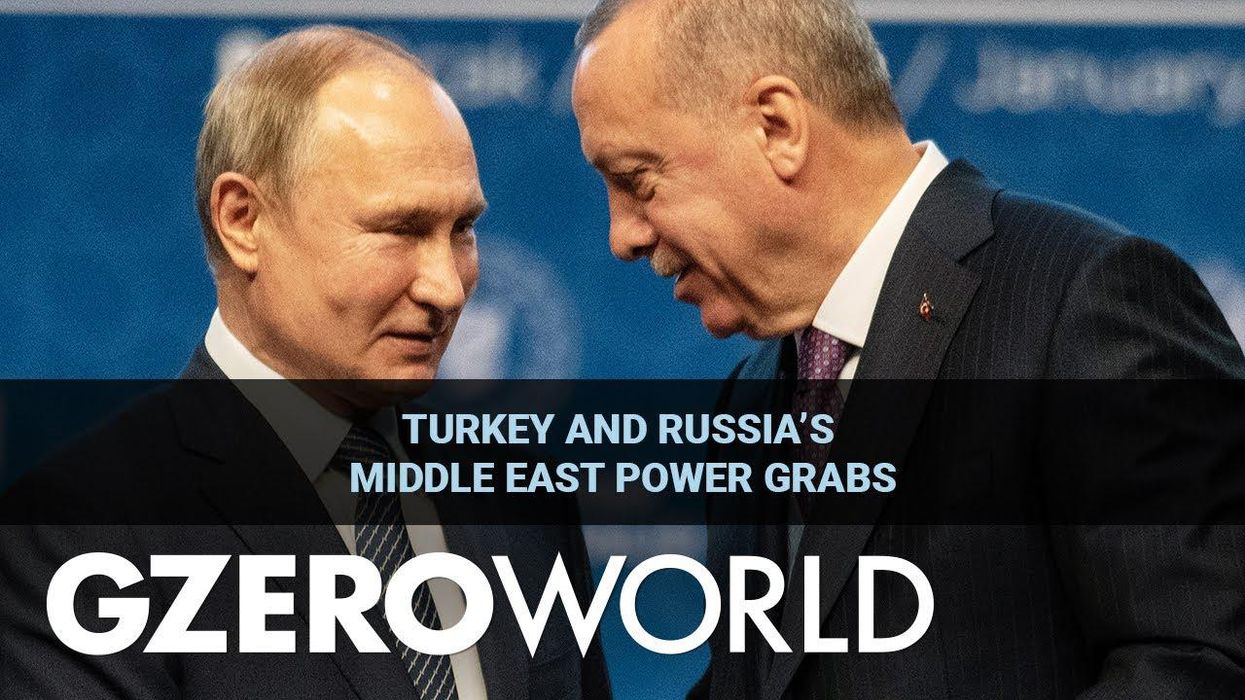
Turkey and Russia's Middle East power grabs
GZERO World Clips

Turkey and Russia's Middle East power grabs

Turkey and Russia are asserting their influence in the Middle East like never before. That's according to Johns Hopkins University Middle East Scholar Vali Nasr, who joins Ian Bremmer on GZERO World to unpack the changing power dynamics in the Middle East and the American government's eagerness to pivot away from the region altogether.

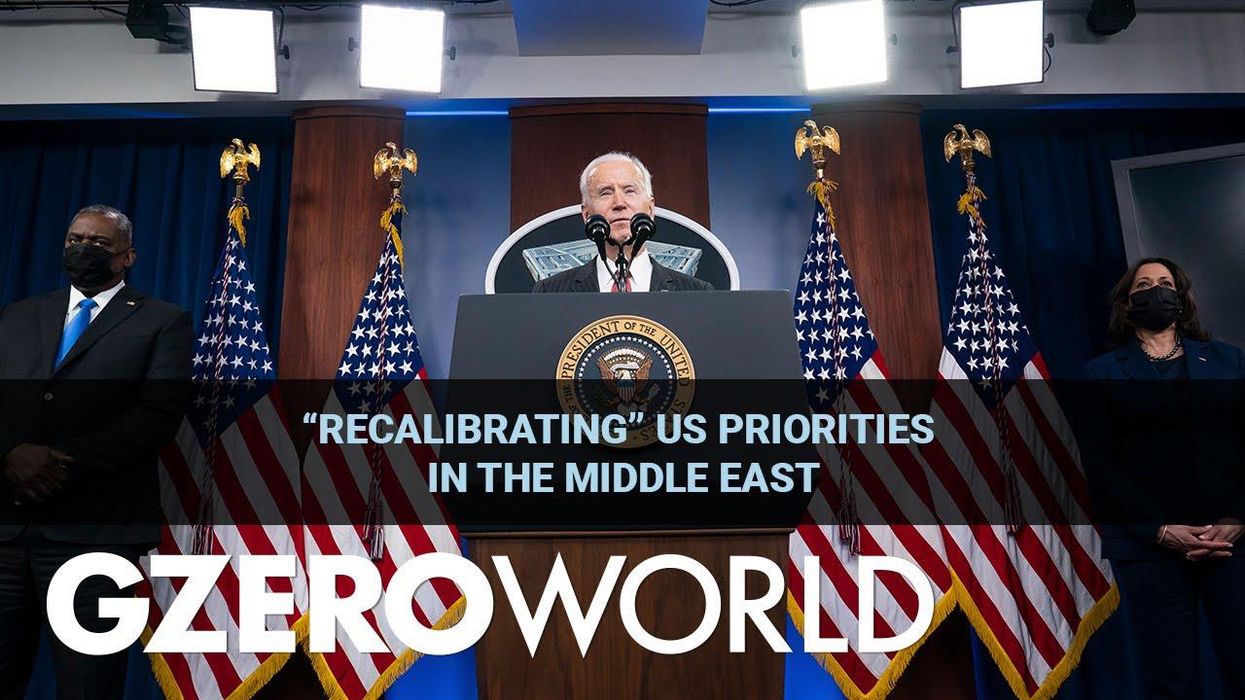
“Recalibrating” US priorities in the Middle East and the US-Saudi Arabia relationship
GZERO World Clips

“Recalibrating” US priorities in the Middle East and the US-Saudi Arabia relationship

The Biden administration's public statements on the Middle East have made clear that the region will no longer be the foreign policy priority that it once was. That message has been clearest, says Johns Hopkins Middle East scholar Vali Nasr, in how President Biden has approached Saudi Arabia. "The recalibration of policy with Saudi Arabia is a very powerful signal to the Kingdom that 'you need to play ball with your adversaries in the region… We're going treat you like every other country. '"

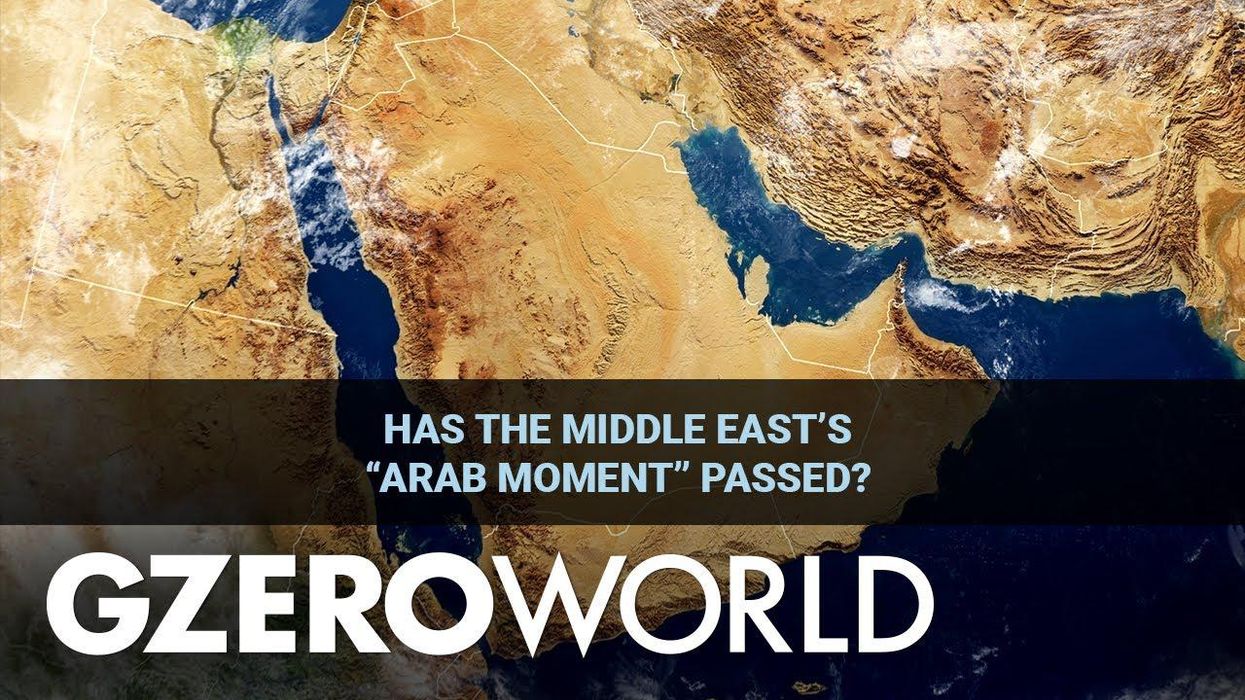
Has the Middle East’s “Arab Moment” passed?
GZERO World Clips

Has the Middle East’s “Arab Moment” passed?

President Biden's approach to the Middle East will have to adapt to the once-in-a-generation power grab occurring between Iran, Israel, and Turkey while Arab nations in the region increasingly lose influence. That's according to Johns Hopkins University Middle East scholar Vali Nasr. "The Arabs are not really deciding the geostrategy of the region. They're not the strongest players right now. After the U.S. invasion of Iraq and the events of the Arab Spring, the bigger players like Iraq, Syria, Egypt lost their footing—they've collapsed." Nasr spoke with Ian Bremmer on an episode of GZERO World.

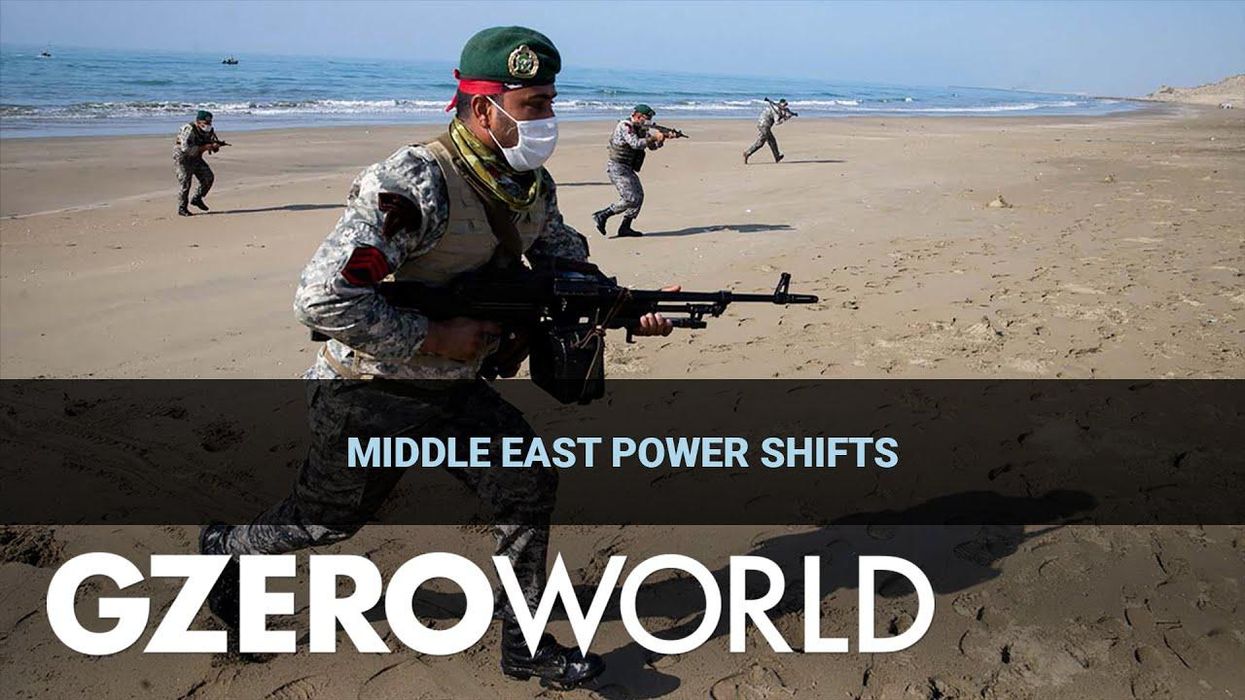
Is the US misjudging the Middle East’s power shifts? Vali Nasr's view
GZERO World with Ian Bremmer

Is the US misjudging the Middle East’s power shifts? Vali Nasr's view

The Middle East continues to consume the attention of the United States' military and diplomatic efforts. President Biden is determined to change that, and to turn Washington's attention to Asia to confront a growing China. But according to Johns Hopkins University Middle East scholar Vali Nasr, President Biden's approach to the Middle East will have to adapt to the once-in-a-generation power grab occurring between Iran, Israel, and Turkey while Arab nations in the region increasingly lose influence.

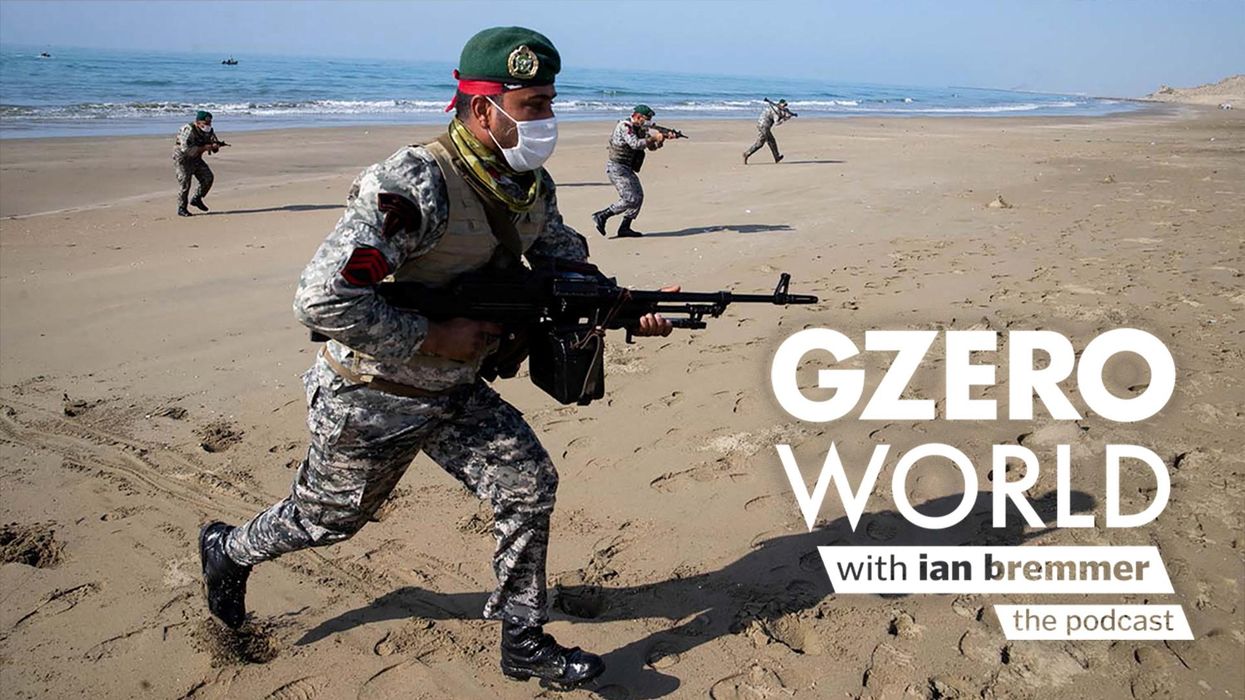
A soldier on a beach in the Middle East.  Is the US Misjudging the Middle East’s Power Shifts?
Europe

Podcast: Is the US misjudging the Middle East’s power shifts? Vali Nasr's view

Listen: President Biden is determined to turn Washington's attention from the Middle East to Asia once and for all as he moves to confront a growing China. But according to Johns Hopkins University Middle East Scholar Vali Nasr, President Biden's approach to the Middle East will have to adapt to the once-in-a-generation power grab occurring between Iran, Israel, and Turkey while Arab nations in the region increasingly lose influence.

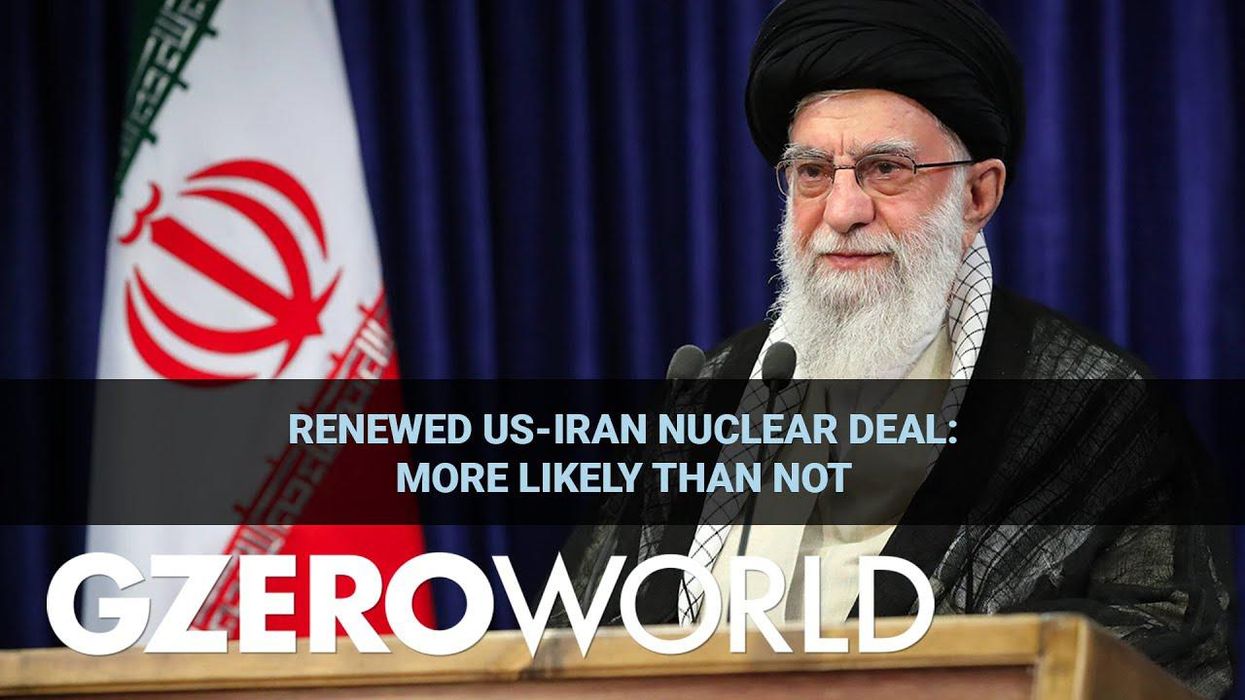
Why a renewed US-Iran nuclear deal is more likely than not
GZERO World Clips

Why a renewed US-Iran nuclear deal is more likely than not

Middle East scholar Vali Nasr, of Johns Hopkins University, is "optimistic" that the US and Iran will re-enter some kind of nuclear deal. Why is a new deal in the interest of both sides and what could it look like?