GZERO World Clips
Ian Explains: 20 years since the Iraq War: Lessons learned, questions raised
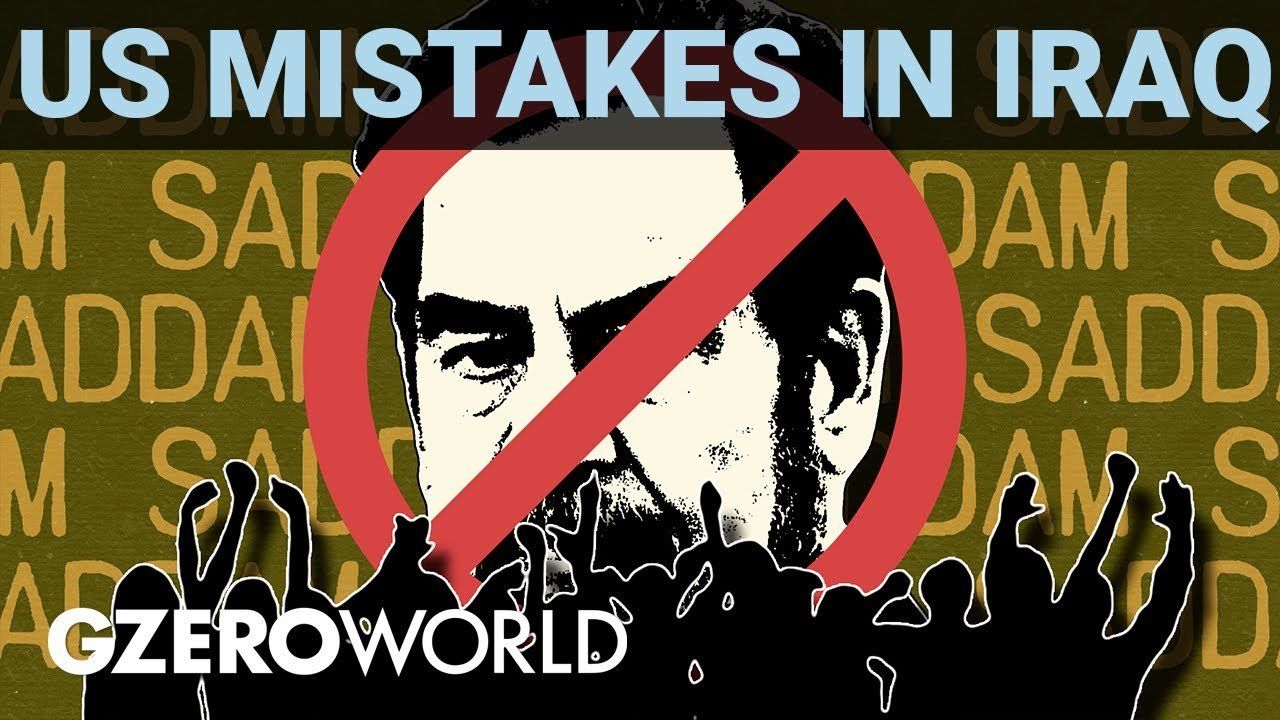
Ian Explains: Mistakes & mixed legacy of US “shock & awe” in Iraq | GZERO World
The 2003 US-led invasion of Iraq, dubbed "Operation Iraqi Freedom," began 20 years ago. The Bush Administration told the world that Saddam Hussein was developing weapons of mass destruction and the war would last weeks, but none of that was true.
In fact, almost nothing in the Iraq War went as planned. The US wasn't prepared for a violent insurgency that lasted years, killing thousands of US troops and hundreds of thousands of civilians. And two decades from its start, the war still casts a long shadow––the rise of ISIS, a civil war, ongoing violence and political turmoil.
With 20 years of hindsight, can we say the world is better off after the invasion of Iraq? What about Iraq itself? And what lessons can we learn to avoid repeating the mistakes of the past?
These are the questions Ian Bremmer asks US Senator Tammy Duckworth, who served in Iraq, and NBC's chief foreign correspondent, Richard Engel on GZERO World with Ian Bremmer. Watch the episode on US public television or right here: Iraq War's legacy: Loss of lives, rise of ISIS, & political turmoil
Could China give Europe a shortcut in the AI race?
Europe has struggled to build models that compete with American and Chinese rivals. But Chinese models that companies can download, customize, and run themselves could offer another way forward—with more control over data and security.
With the midterms just weeks away, Democrats are hoping for a blue wave, while Republicans are fighting to hold onto Congress. Amy Walter and Liam Donovan join Ian Bremmer to break down the races, the issues driving voters, and what the results could mean for Trump's presidency.
With the midterms just weeks away, Democrats are eyeing control of Congress as Republicans struggle with the political fallout from the Iran war, rising prices, and Trump's unpopularity. Amy Walter and Liam Donovan join Ian Bremmer to break down what could happen in November and what it means for the future of both parties.
Since returning to power in 2025, the Trump administration has drastically changed the answer to this question, pursuing an ‘America First’ philosophy that is dramatically more transactional: the US will give you money, but you must give the US something valuable in return.