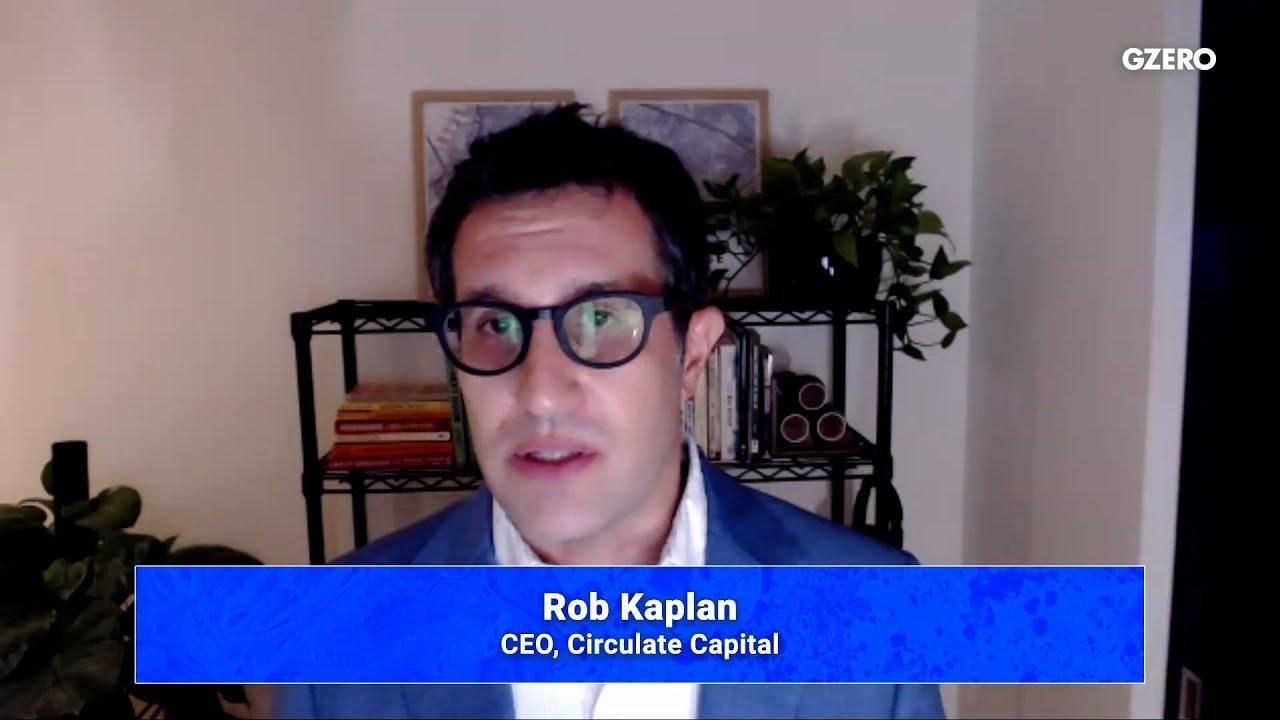
Wouldn't the world be a better place — and a more efficient economy — if most raw materials, especially plastics, could be recycled over and over again? That's the whole principle behind what Circulate Capital CEO Rob Kaplan calls the "circular" economy of the future, which will upend global supply chains by doing away with much of their waste. Kaplan spoke during the second of a two-part Sustainability Leaders Summit livestream conversation sponsored by Suntory.
More For You
In his latest Quick Take, Ian Bremmer examines the stability of US-China relations and why he believes the period of relative calm between the two countries may be coming to an end.
Most Popular
Prime Minister Anutin Charnvirakul quickly responded by vowing tougher gun-control legislation and a renewed crackdown on illegal weapons.
Check out the latest swag from the official Puppet Regime merchandise store! Browse an array of products that will show the world you are a devoted subject of the Regime, including: A big, beautiful mug for drinking coffee very strongly, A handsome tote bag to carry your favorite classified documents, Collectible stickers, Stylish t-shirts and hoodies – now also available in pink. We ship worldwide! Shop now at shop.puppetregime.tv!
US-backed negotiations are opening a possible path to democratic elections in Venezuela – even as the country’s most popular opposition leader remains outside the room.