2024. Politically it’s the Voldemort of years. The annus horribilis. The year that must not be named. I’d love to sugarcoat it, but I can’t: From a global political risk perspective, this is the most dangerous and uncertain year I’ve covered in my lifetime.
As we write in Eurasia Group’s 2024 Top Risks report, three wars will dominate world affairs: Russia vs. Ukraine, now in its third year; Israel vs. Hamas, now in its third month; and the United States vs. itself, ready to kick off at any moment.
Russia vs. Ukraine … is getting worse. Russia now has the battlefield initiative and a material advantage, while Ukraine stands to lose significant international interest and support. For the United States, in particular, it’s become a distant second (and increasingly third or lower) policy priority, despite hundreds of thousands of casualties and millions of displaced Ukrainians.
Battlefield difficulties, diminishing Western support, and domestic political infighting will leave Ukrainians feeling increasingly desperate, making Kyiv more risk-tolerant and the conflict more likely to escalate. While Russia has no way to “win,” Ukraine will be de facto partitioned this year and could “lose” the war as early as 2025.
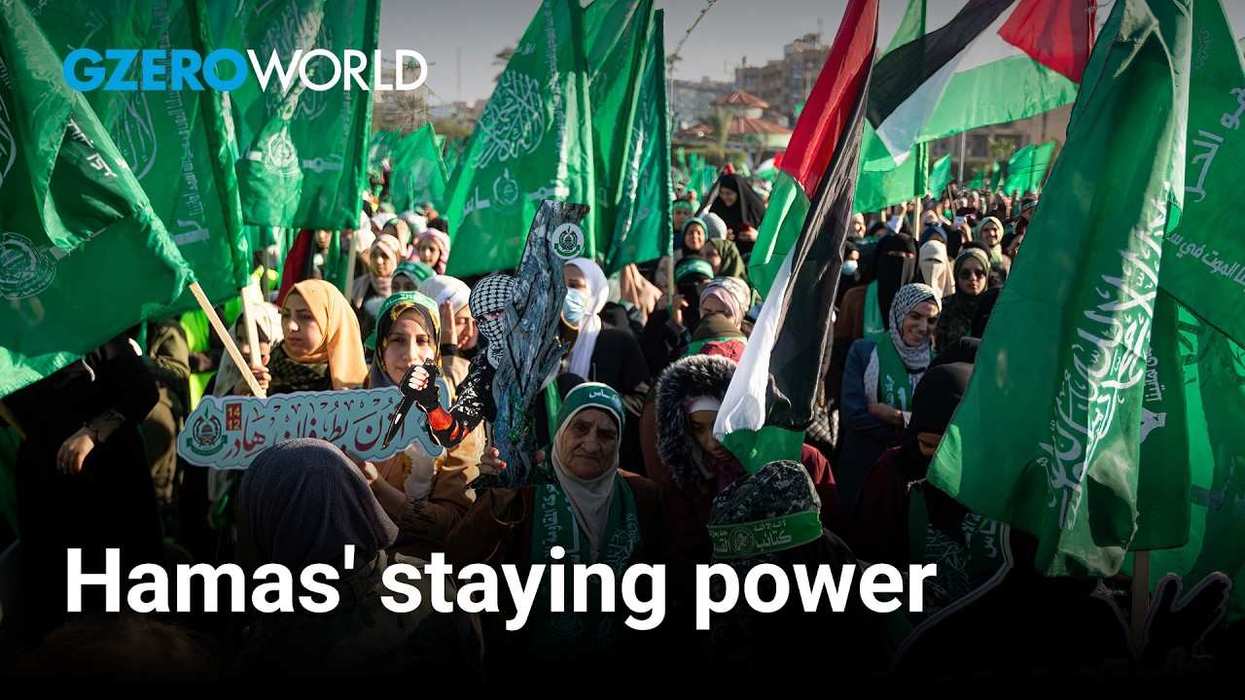
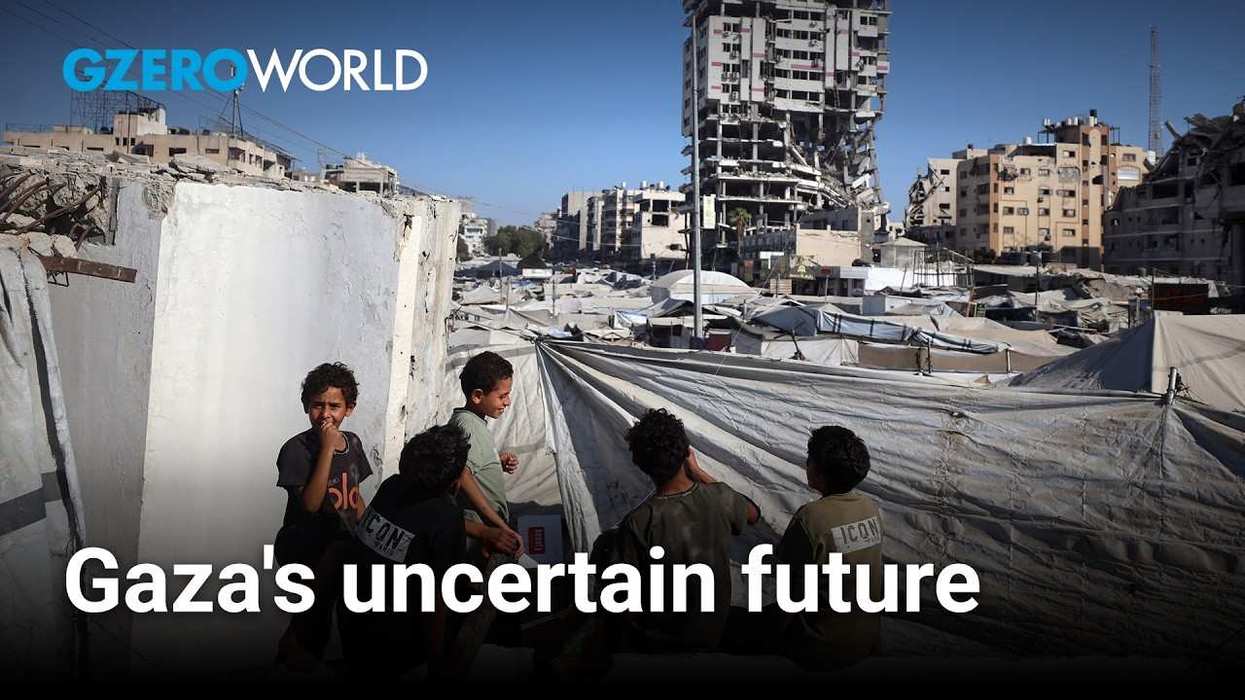
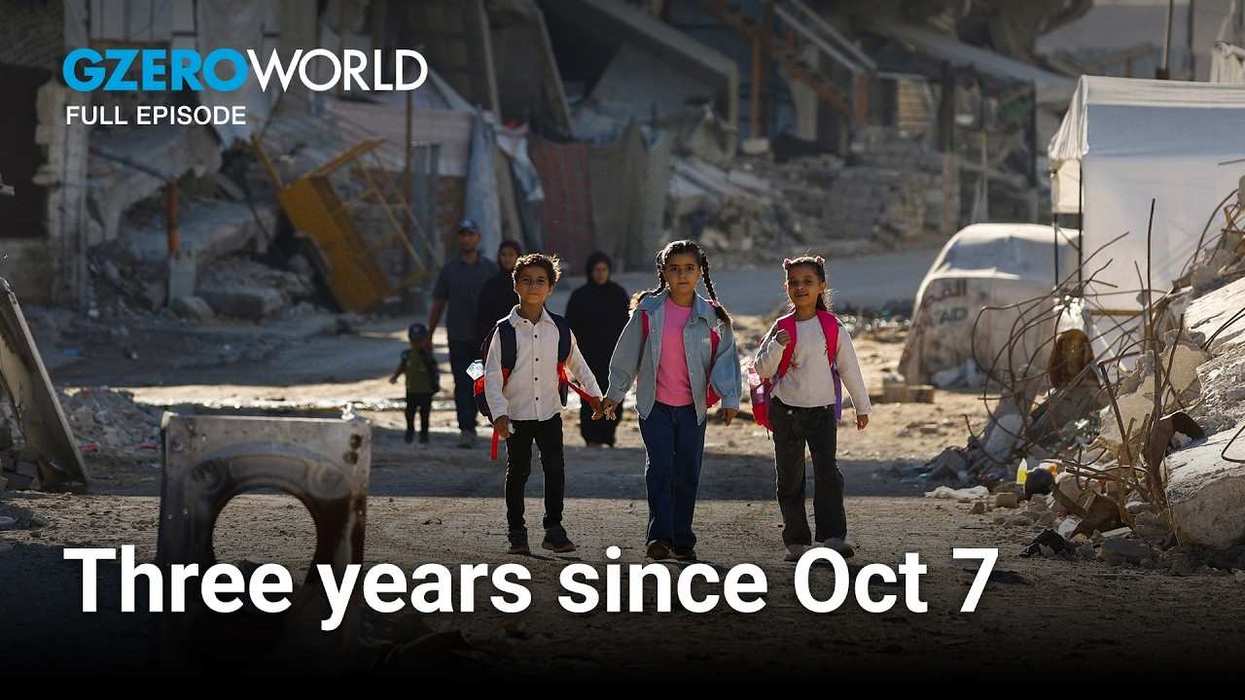
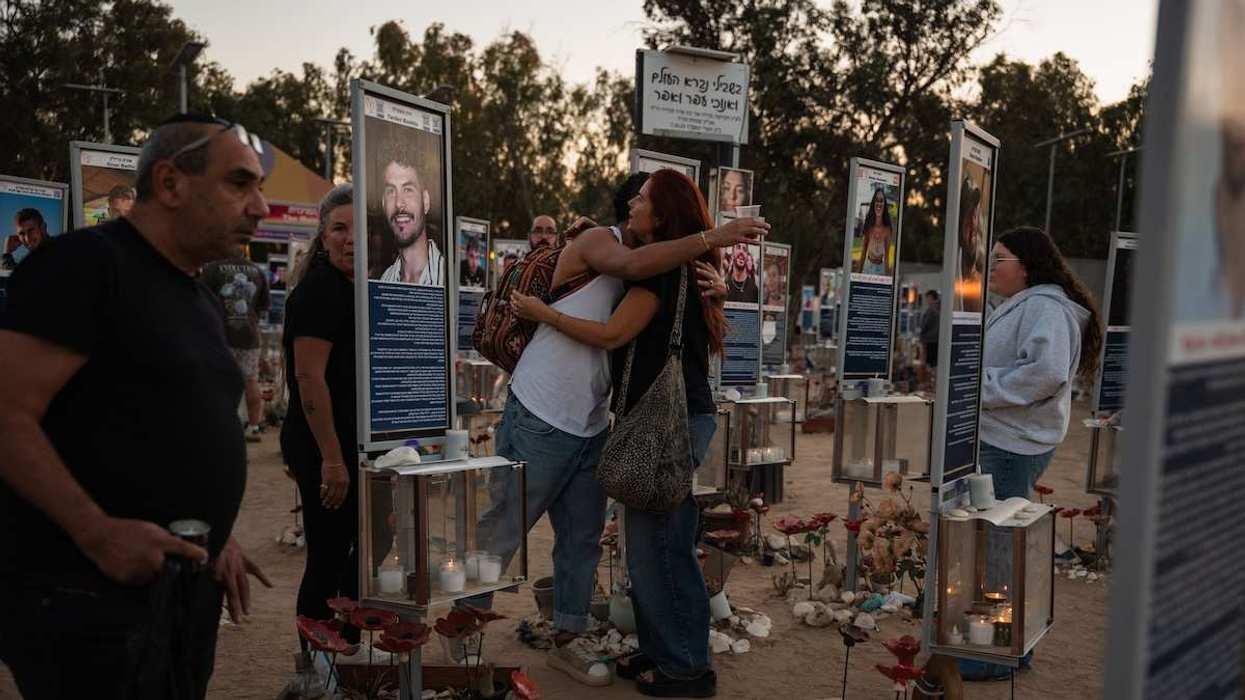
Israel vs. Hamas … is getting worse. Hamas’ Oct. 7 terrorist attacks jolted the Middle East out of its complacency, and there’s no obvious way to end the fighting that has ensued. While no country wants a regional war to erupt, the powder is dry, and the number of players carrying matches – Israel’s war cabinet, Hezbollah, the Houthis, Iran-backed militias in Syria and Iraq – makes the risk of escalation high. The current fighting in Gaza is accordingly likely to be only the first phase in an expanding conflict this year.
Whatever the military outcome, a dramatic increase in radicalization is guaranteed. Of Israeli Jews, feeling themselves globally isolated and even hated after facing the worst violence against them since the Holocaust. Of Palestinians, facing what they consider a genocide, with no opportunities for peace and no prospects of escape. Deep political divisions over the conflict run throughout the Middle East and across over one billion people in the broader Muslim world, not to mention in the United States and Europe.
And then there’s the biggest challenge in 2024 … the United States vs. itself. While America’s military and economy remain exceptionally strong, its political system is more dysfunctional than that of any other advanced industrial democracy. The 2024 election will exacerbate this problem no matter who wins, worsening the country’s political division, testing American democracy to a degree the nation hasn’t experienced in 150 years, and undermining US credibility on the global stage.
Fully one-third of the global population will go to the polls this year, but an unprecedentedly dysfunctional US election will be by far the most consequential for the world’s security, stability, and economic outlook. The outcome will affect the fate of 8 billion people, and only 160 million Americans will have a say in it, with the winner to be decided by just tens of thousands of voters in a handful of swing states. The losing side – whether Democrats or Republicans – will consider the outcome illegitimate and be unprepared to accept it. The world’s most powerful country faces critical challenges to its core political institutions: free and fair elections, the peaceful transfer of power, and the checks and balances provided by the separation of powers. With the outcome of the vote essentially a coin toss (at least for now), the only certainty is continued damage to America’s social fabric and international standing. The political state of the union … is troubled indeed.
********
None of these three conflicts have adequate guardrails preventing them from getting worse. None have responsible leaders willing and able to fix, or at least clean up, the mess. Indeed, these leaders see their opponents (and their opponents’ supporters) as principal adversaries – “enemies of the people.” Most problematically, none of the belligerents agree on what they’re fighting over.
By contrast, climate change has long been considered by many our greatest global challenge, but the world is on the road to responding – collectively, even though too slowly – because everyone understands the nature of the problem. There is too much carbon dioxide (and methane) in the atmosphere, with a lot more coming because it’s necessary for economic growth, leading to long-term damage to biodiversity and affecting everyone but mostly the poorest. None of this remains controversial; it’s just a question of who compromises how much – and who pays what and when. We have a pretty good sense of where we are heading accordingly.
Not so for any of the major conflicts driving geopolitical risk this year. The terms of confrontation are not shared: not the narratives, not the history, not even the basic facts of the ongoing fighting. And in all three cases, we are creating generations of incensed people prepared to dig in and battle for as long as it takes. Maybe an end to the fighting can come when one or both sides are exhausted … but the prospects of a sustainable peace? In Ukraine, in the Middle East, and in America, we’re not remotely close.
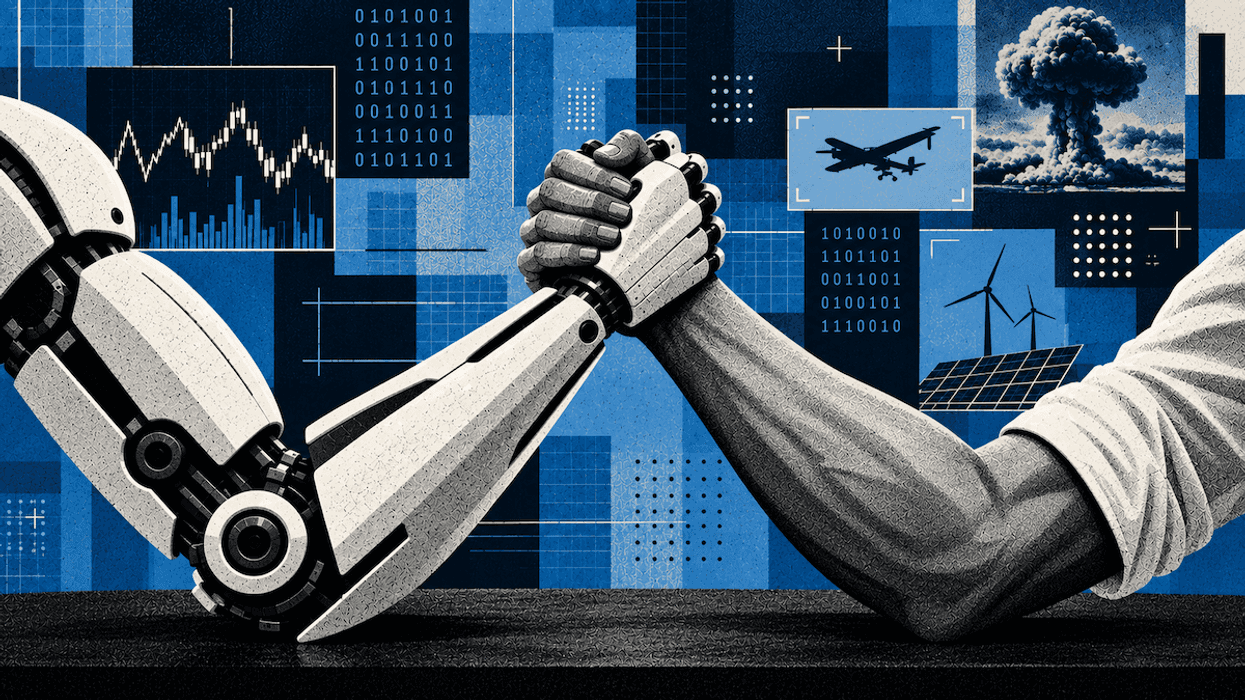
I call this a G-Zero world, a world without global leadership. Where the United States, the world’s sole remaining superpower, doesn’t want to be the world’s policeman, the architect of global trade, or the cheerleader of global values. And no other country is prepared to take that role for itself. We now see three major confrontations – and many more risks, from ungoverned artificial intelligence and an axis of rogue states to a fragile global economy and a politically disruptive El Nino climate pattern – that are the direct result of our G-Zero world.
By its nature, the G-Zero will cause more unsolvable conflicts and uncontainable risks in the years ahead – the only questions are where, when, and how destabilizing they will be. And whether the resulting crises spur enough action to fix the underlying problem with our “geopolitical recession” or only serve to make it worse.
Paraphrasing the Russian revolutionary Leon Trotsky, we may not want crisis, but in a G-Zero world, crisis certainly wants us.
_________
🔔 Check out Eurasia Group’s 2024 Top Risks report. And be sure to subscribe to GZERO Daily to get the world's best global politics newsletter every day on top of my weekly email. Did I mention it's free?