Image courtesy of Midjourney
Linwei Ding, a Chinese national residing in California, was arrested and indicted last Wednesday for allegedly stealing artificial intelligence-related trade secrets from Google and transferring them to his Chinese companies. Ding, who worked for Google, allegedly took more than 500 confidential files from his employer and used them in his work with two companies in China — one he founded, the other that recruited him and told investors he was the chief technology officer.
Neither Ding nor his lawyer have commented publicly on the case.
Bill Hannas, the lead at Georgetown University’s Center for Security and Emerging Technology and a former expert at the CIA, said it’s both a case of an individual allegedly enriching himself by stealing valuable trade secrets and a threat to US national security.
“Known cases of outright theft, where China is the beneficiary, number in the hundreds,” Hannas said. But there have been tens of thousands of cases overall in which US technology ended up in China through unknown or obscured means, he added.
Eurasia Group’s Director of Geo-technology Xiaomeng Lu says it’s still unclear if there’s any direct involvement from the Chinese government in Ding’s case.
“Maybe the FBI has more information about the case that they haven’t revealed,” Lu said, “but what I have seen in media reports doesn’t explicitly suggest the stolen information has serious national security implications – chip and software design information reads more like trade secrets than national security secrets.”
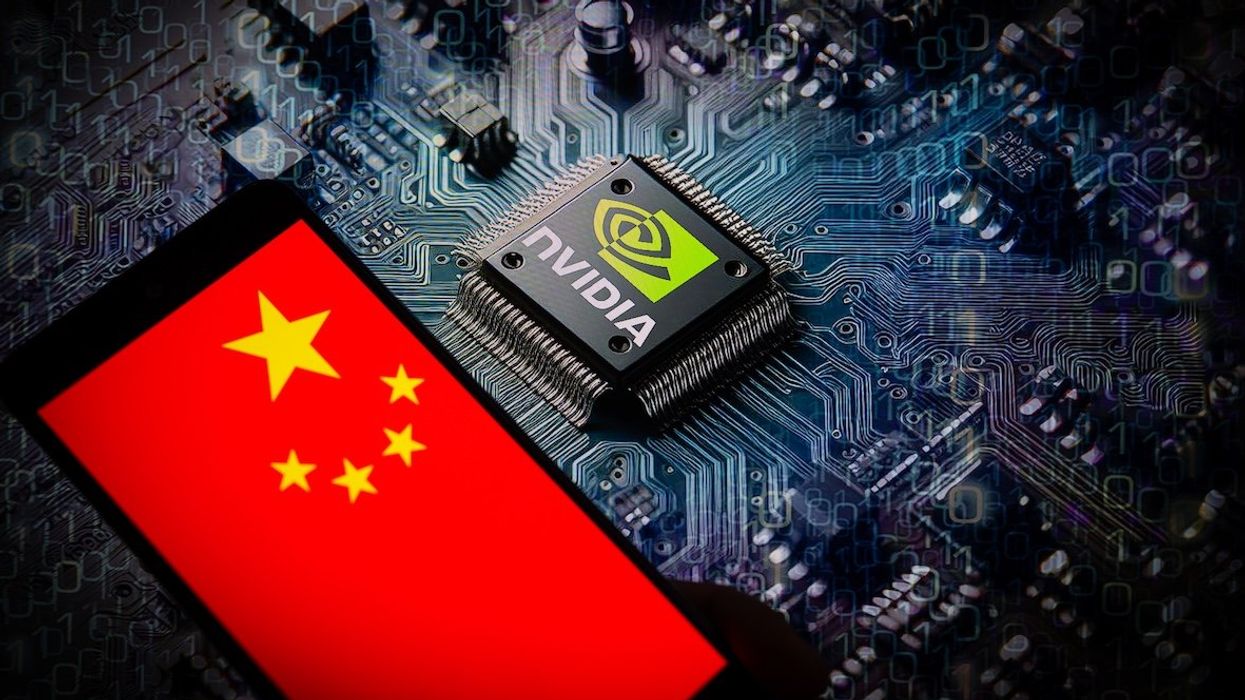
The United States tries to restrict China’s access to valuable technology that would aid its efforts to develop sophisticated AI models and computing capabilities. Washington strengthened export controls over semiconductor technology earlier this year to cut off China from the kinds of high-powered chips necessary to run AI models.
“Export controls encourage China to find other ways to get what they need,” Hannas said. “Chips are an area where China is said to lag by comparison, but the other big deficit, acknowledged by top Chinese scientists themselves, is AI algorithms.” It’s more difficult to clamp down on scientific progress than specific materials, and this kind of corporate espionage is one way of gaining parity with the US.
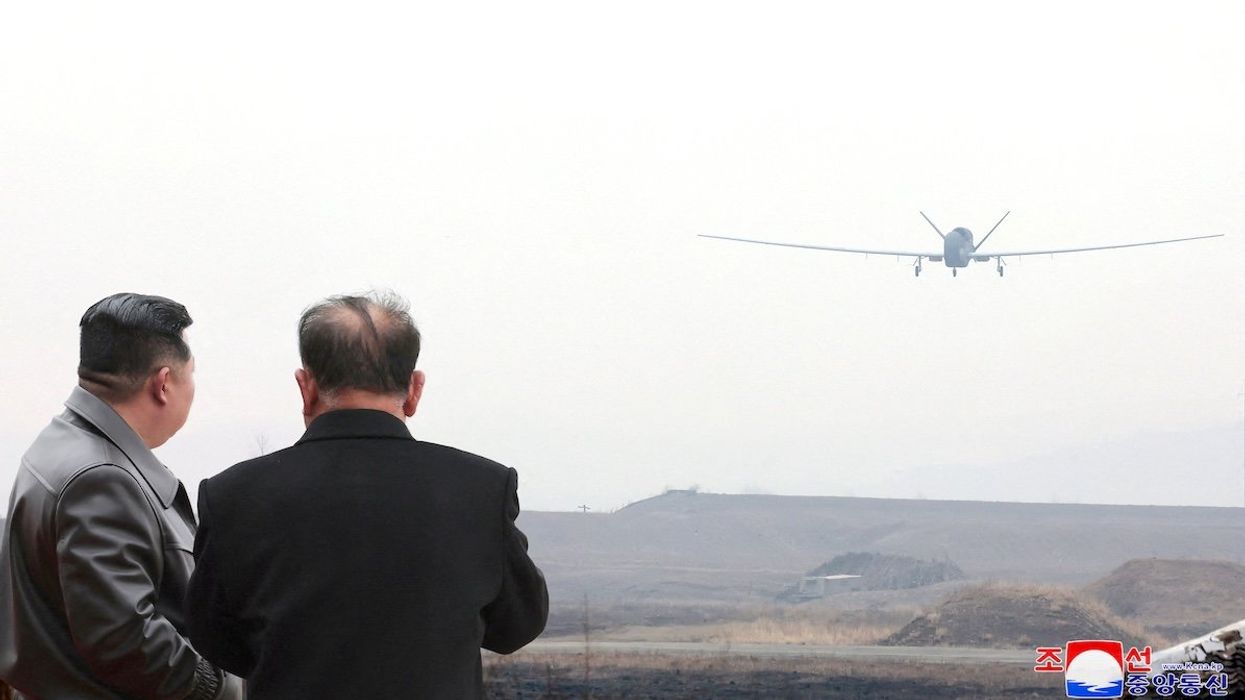
Ultimately, Washington is concerned that China will one day outpace the American military with AI-powered autonomous weaponry. “The theft of innovative technology and trade secrets from American companies can cost jobs and have devastating economic and national security consequences,” FBI director Christopher Wray wrote in a press release.
The Justice and Commerce departments’ Disruptive Technology Strike Force, established last year, has focused on using export controls to cut off foreign adversaries including Iran and Russia, in addition to China. Deputy Attorney General Lisa Monaco wrote that, as part of these efforts, the Justice Department will “relentlessly pursue and hold accountable those who would siphon disruptive technologies – especially AI – for unlawful export.”
A corporate espionage case targeting Google may be a ways away from delivering on that concern, but the government’s aggressive response signals a willingness to closely monitor any AI technology leaving the country — especially through illicit means.
If convicted, Ding will face up to 10 years in prison for each count.