Trending Now
We have updated our Privacy Policy and Terms of Use for Eurasia Group and its affiliates, including GZERO Media, to clarify the types of data we collect, how we collect it, how we use data and with whom we share data. By using our website you consent to our Terms and Conditions and Privacy Policy, including the transfer of your personal data to the United States from your country of residence, and our use of cookies described in our Cookie Policy.
{{ subpage.title }}
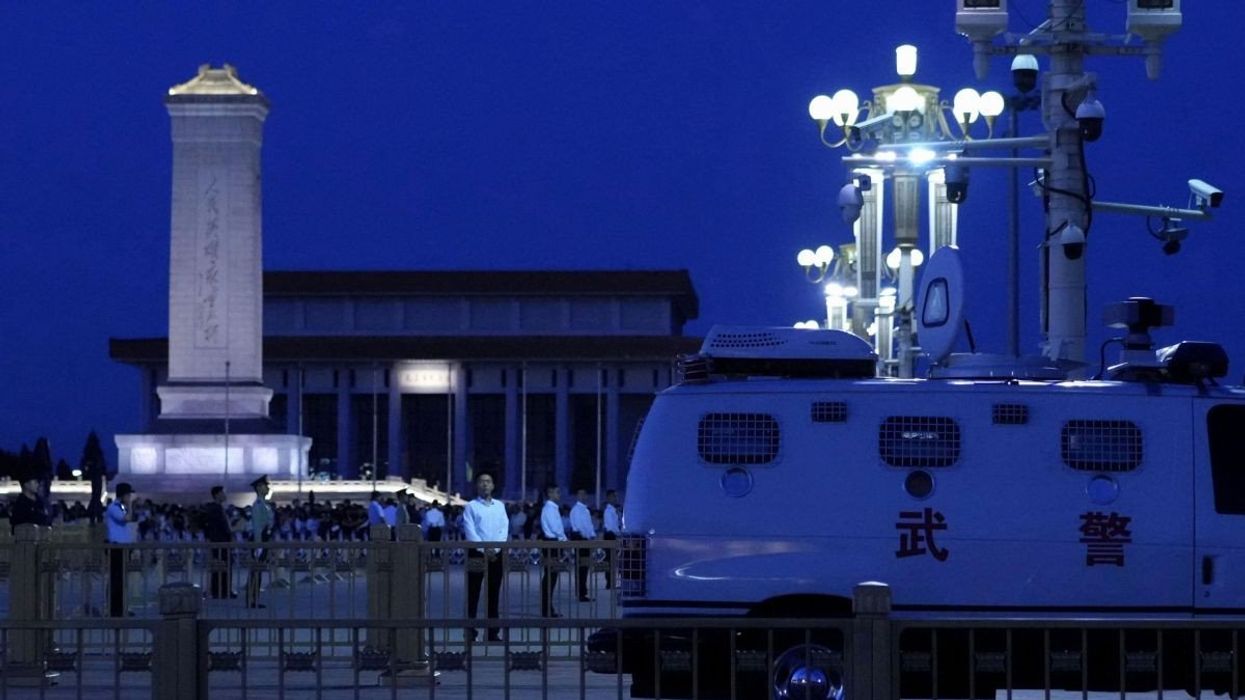
Beijing's Tiananmen Square on June 4, 2025, the 36th anniversary of China's Tiananmen Square crackdown on pro-democracy demonstrators.
HARD NUMBERS: Tiananmen Square anniversary, Prison break in Pakistan, & More
36: Today marks the 36th anniversary of China’s deadly crackdown on pro-democracy protesters occupying Tiananmen Square on June 4th, 1989. The death toll from the day remains disputed, though certain groups have put it in the thousands. US Secretary of State Marco Rubio commemorated the crackdown yesterday, incurring the wrath of Beijing’s Foreign Ministry.
200: More than 200 inmates escaped a Pakistani prison in Karachi, a city of more than 20 million people, on Tuesday after a series of earthquakes damaged the facility. Early reports say police have re-arrested 80 of the inmates, meaning 120 or so remained at large.
4: “I want to see the tax cuts made permanent, but I also want to see the $5 trillion in new debt removed from the bill. At least 4 of us in the Senate feel this way.” That’s the comment US Sen. Rand Paul (R-KY) made on X on Tuesday about President Donald Trump’s “Big Beautiful Bill.” If four Republican senators vote no on the bill, it will fail.
2: On Tuesday, two Chinese nationals were accused of smuggling a fungus into the United States that officials say is a potentially “dangerous biological pathogen.” The US Attorney’s Office in the eastern district of Michigan cites scientific reports that call this fungus a “potential agroterrorism weapon” that can destroy wheat, barley, maize and rice crops — and can sicken those who eat contaminated products.
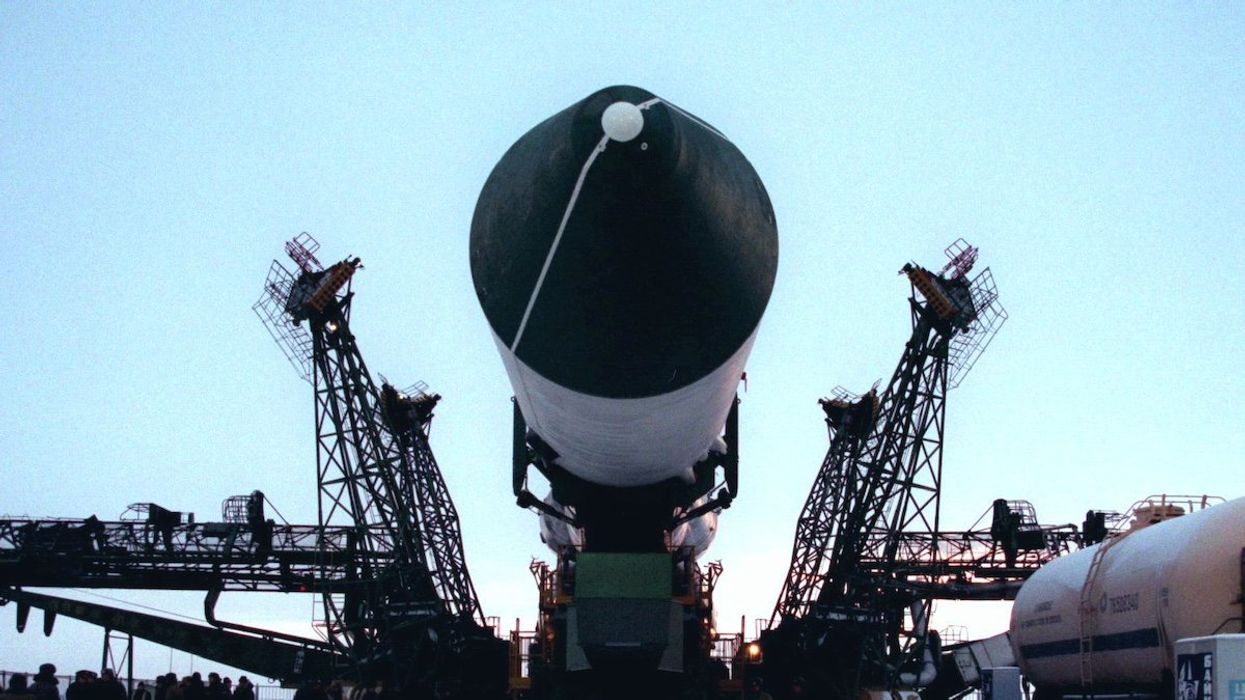
A Russian Soyuz rocket is carried to the launching pad at Russia's Baikonur cosmodrome on the territory of the former Soviet Kazakhstan on December 18.
Hard Numbers: Russia shoots down space resolution, US economy sputters, Nigerian prisoners make slippery escape, Ecuador gets lifeline
13: A UN Security Council resolution reaffirming a long-standing prohibition on arms races in outer space got 13 votes in favor this week, but it was shot down by a single veto from UNSC permanent member Russia. Moscow says it wasn’t necessary to support a resolution that merely reaffirmed a 1967 treaty that Russia is already part of, but the US ambassador to the UN asked, “What could you possibly be hiding?” In recent months, the US has said it believes Russia is developing a new space-based, anti-satellite weapon.
1.6: The US economy expanded by just 1.6% in the first quarter of the year, lagging analyst forecasts by nearly a full percentage point, as consumer spending slowed. Normally that would create momentum for the Fed to cut interest rates to spur growth, but there’s no joy there either: Core inflation (which excludes food and energy) rose 3.7%, higher than economists expectations, limiting the scope for any near-term rate cuts.
118: Authorities in the Nigerian capital of Abuja are on high alert after a rainstorm destroyed a fence at a nearby penitentiary, allowing as many as 118 inmates to escape. A prison service spokesperson blamed “colonial era” facilities. Weak security and run-down buildings contribute to frequent prison-breaks in the West African nation.
4 billion: After months of talks, Ecuador and the IMF agreed to a $4 billion loan agreement meant to help stabilize the small Andean country’s finances as it grapples with a vicious cycle of economic hardship, rising poverty, and skyrocketing homicides. Just days earlier, Ecuadorians had voted yes in a referendum to boost the government’s ability to crack down on drug violence.