Skip to content
Search

Latest Stories

suntory

Water scarcity: How Suntory is optimizing for beverage production
Climate

Water scarcity: How Suntory is optimizing for beverage production

You won't be surprised to hear that companies that make drinks need a lot of water. Suntory, one of the leading beverage producers in the world, is no exception. However, they have come up with an exceptional response to the issue, according to Shigeaki Kazama, Executive Officer and Division Deputy COO of the Sustainability Management Division at Suntory Holdings.

Indigenous people: true guardians of land and oceans
Sustainability

Indigenous people: true guardians of land and oceans

If the earth were a company, who'd you pick to run its assets? For Hindou Ibrahim, co-chair of the International Indigenous Peoples Forum on Climate Change, it should be Indigenous people, who have been protecting the land and the oceans far longer than governments. That's what makes them the true guardians of ecosystems. "We cannot sustain and protect this biodiversity if we do not recognize and respect the rights of indigenous peoples to their land tenure" and access to finance, Ibrahim says in a Global Stage livestream conversation hosted by GZERO in partnership with Microsoft.

"We don't have any right to destroy nature" — Suntory CEO Tak Niinami
Climate

"We don't have any right to destroy nature" — Suntory CEO Tak Niinami

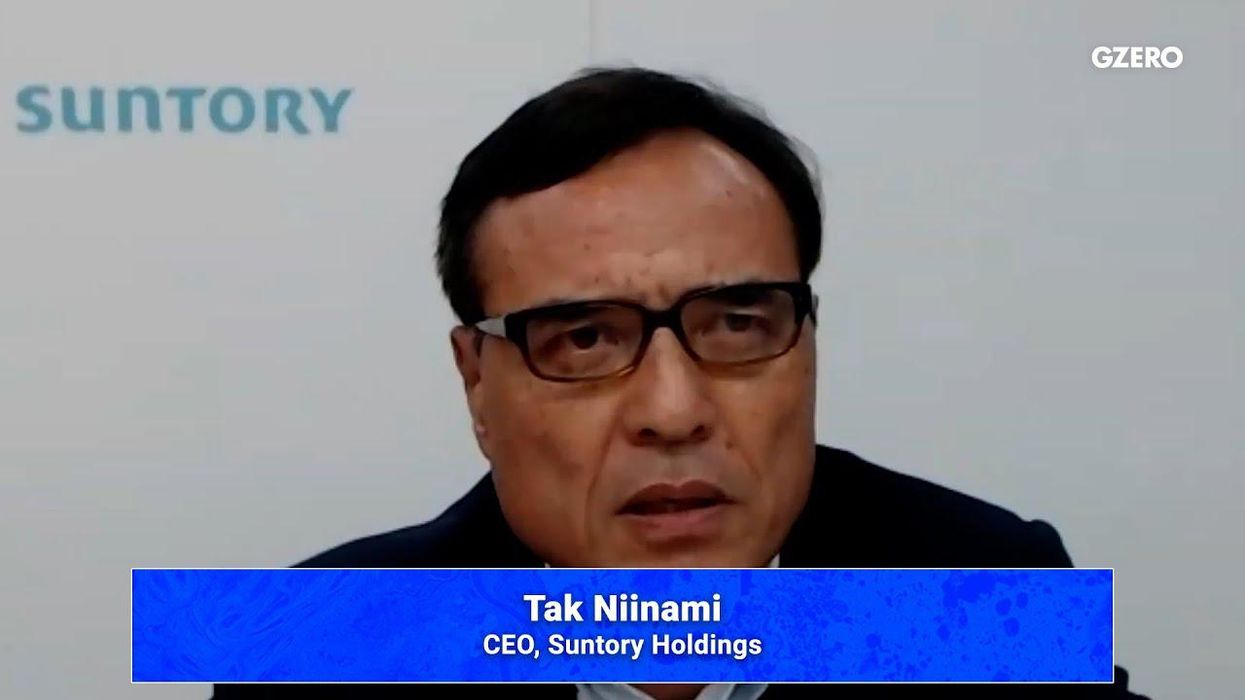
In biodiversity circles, many are talking up nature-positive as the new net zero. But for some companies, striving for a world where nature is being restored and is regenerating rather than declining is more than a buzzword. "We don't have any right to destroy nature," Suntory CEO Tak Niinami says during the livestream discussion "Time for nature: Turning biodiversity risk into opportunity," hosted by GZERO in partnership with Suntory.

Net zero emissions by 2050 "lacks sense of urgency" — Suntory CEO
Climate

Net zero emissions by 2050 "lacks sense of urgency" — Suntory CEO

Like many other big corporations, Japanese brewer and distiller Suntory want to achieve net zero carbon emissions by 2050. But that's not enough for CEO Tak Niinami. "It's far away and lacks the sense of urgency," he says. Niinami predicts that especially after COP26 people will be wary of greenwashing, so it's essential for corporations to "to be transparent, showing society what we are doing and how much progress we are making" on climate.

Making plastic industry sustainable is corporate self-interest
Climate

Making plastic industry sustainable is corporate self-interest

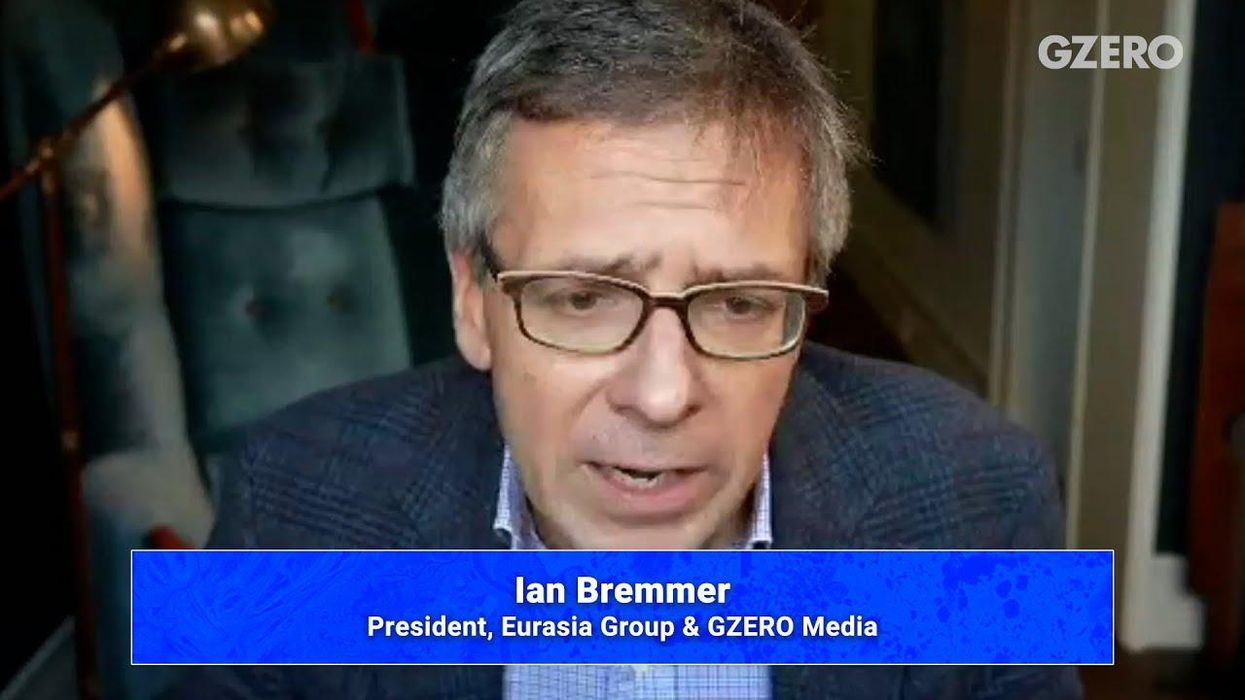
Plastics are essential for Asia, but for Ian Bremmer the way the industry works right now is incompatible with the region's targets to fight climate change. Very soon, though, he predicts there will be "immense gravitational pull" to do things differently. Once the way Asian companies use plastics now becomes outdated, he says, it's only a matter of time before they change out of their own self-interest.

"We just don't have time to mess around" on plastics pollution
Climate

"We just don't have time to mess around" on plastics pollution

Plastic pollution has caused a lot of damage to the environment — including a staggering loss of biodiversity that will soon affect humans. For Climate Bonds Initiative CEO Sean Kidney, the critical way to reverse this trend is to switch all production to biodegradable right now. "It's got to be everything, and we've got to do it fast. We just don't have time to mess around. There's been a lot of talk, a lot of talk for 10 years, not enough action. Whew. Time to change."

Refuse single-use plastics — but not the rest: Aloke Lohia
Climate

Refuse single-use plastics — but not the rest: Aloke Lohia

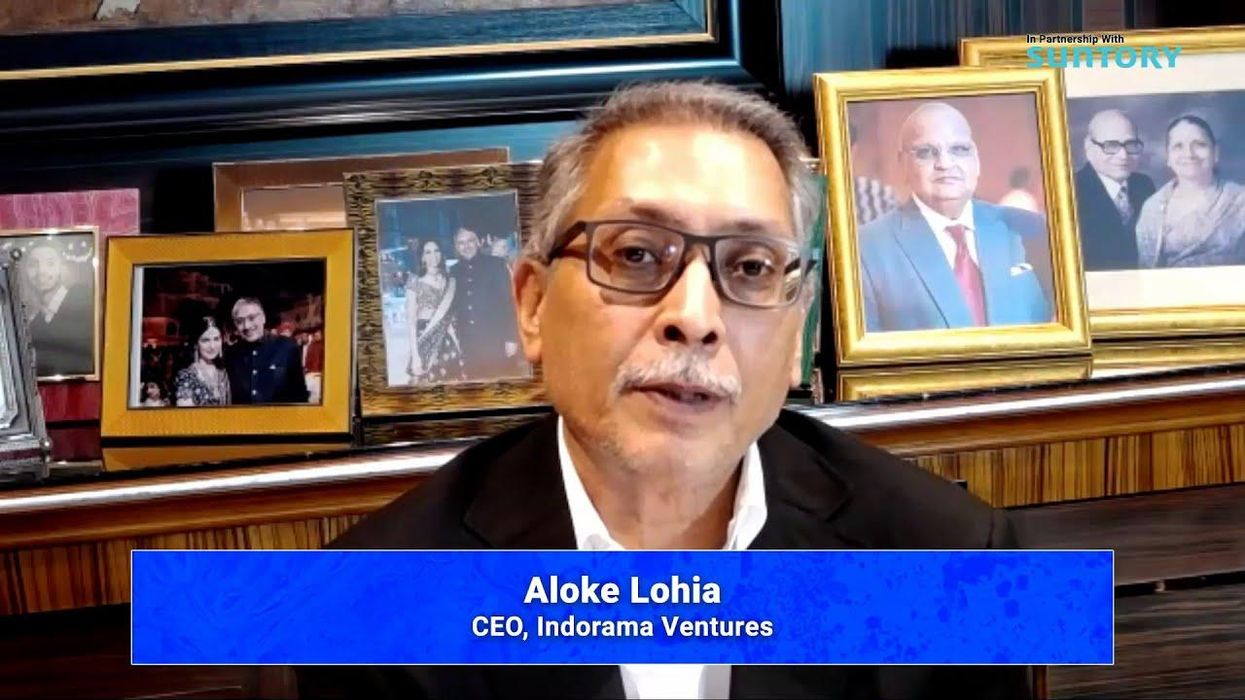
Refusing single-use plastics is okay, but Aloke Lohia, CEO of Indorama Ventures, believes all other plastics should be given "a fair chance" at recycling. Lohia says that some plastics are already 100 percent reusable, while chemical recycling is "just around the corner."

Asia will lose land as the planet warms, says IPCC's Ko Barrett
Climate

Asia will lose land as the planet warms, says IPCC's Ko Barrett

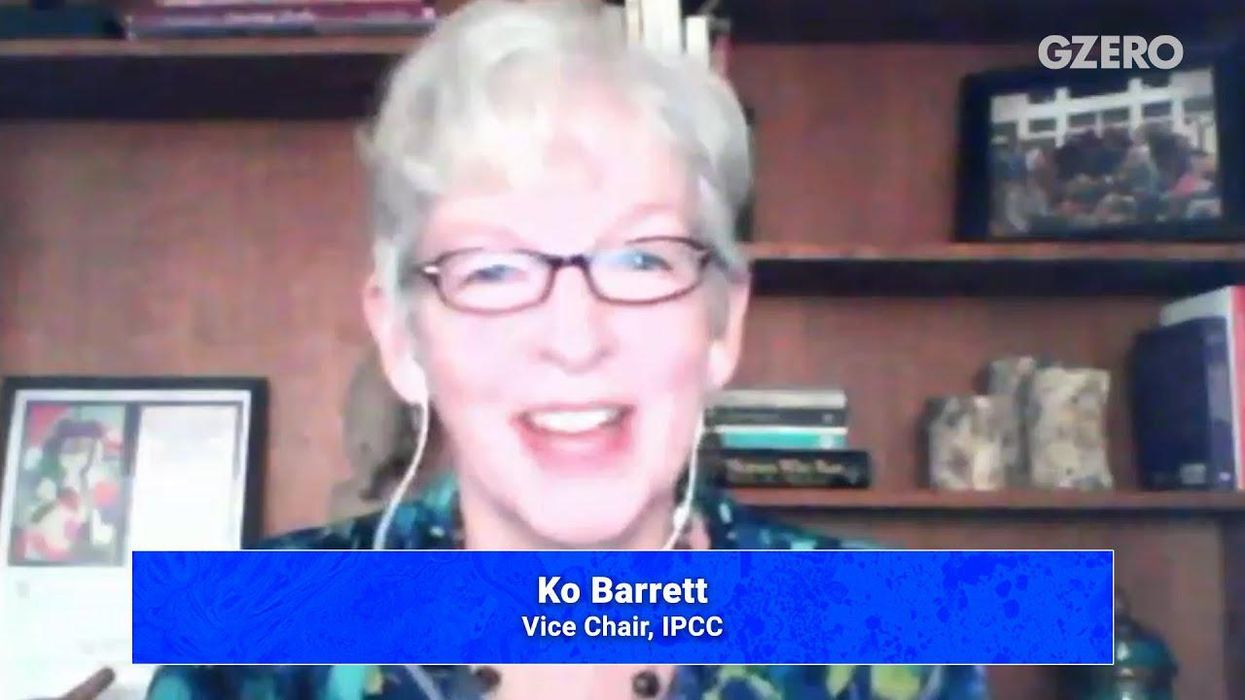
Last August, a landmark IPCC report underscored the urgency of the climate crisis — with big implications for Asia, the region most at risk. Ko Barret, vice president at the IPCC, says Asia should especially watch out for a combination of sea level rise above the global average and a lot more rain than usual that'll together result in shorelines receding along the Mekong delta. Barrett spoke during the first of a two-part Sustainability Leaders Summit livestream conversation sponsored by Suntory.

COP falling apart doesn't mean we're failing to respond to climate: Ian Bremmer
Climate

COP falling apart doesn't mean we're failing to respond to climate: Ian Bremmer

For Ian Bremmer, on the one hand accepting climate science in the age of fake news and disinformation is a huge victory. But on the other hand, in a few days COP26 — the biggest global summit on the most important global issue we all face right now — will probably just kick the can down the road because global leadership has checked out. Still, Bremmer says this is an opportunity for the COP process to be driven in the future by other people different from the current old males that run the show.

Focus on applying existing tech to recycle plastics — Suntory CEO Tak Niinami
Climate

Focus on applying existing tech to recycle plastics — Suntory CEO Tak Niinami

Single-use plastics have become a big pollution problem in Asia — which technology can help solve. Suntory CEO Tak Niinami hopes that not only new but also existing tech that hasn't been applied yet can really be a game-changer on plastics recycling in Asia, where there's no one-size-fits-all solution for all countries.