Skip to content
Search

Latest Stories

us global leadership

The US no longer wants to be the world's policeman
Quick Take

The US no longer wants to be the world's policeman

Ian Bremmer's Quick Take: Now that the war in Afghanistan is just about concluded, less than 24 hours before all of the remaining American troops wrap up their mission in Hamid Karzai International Airport in Kabul, after over 100,000, mostly Afghan civilians, as well as American and coalition partners evacuated from the country. One thing to point to is just how much the United States and the American people have changed in interests, in what presence, what the role, what the mission of the United States globally is and should be.

Is American democracy in danger?
GZERO World with Ian Bremmer

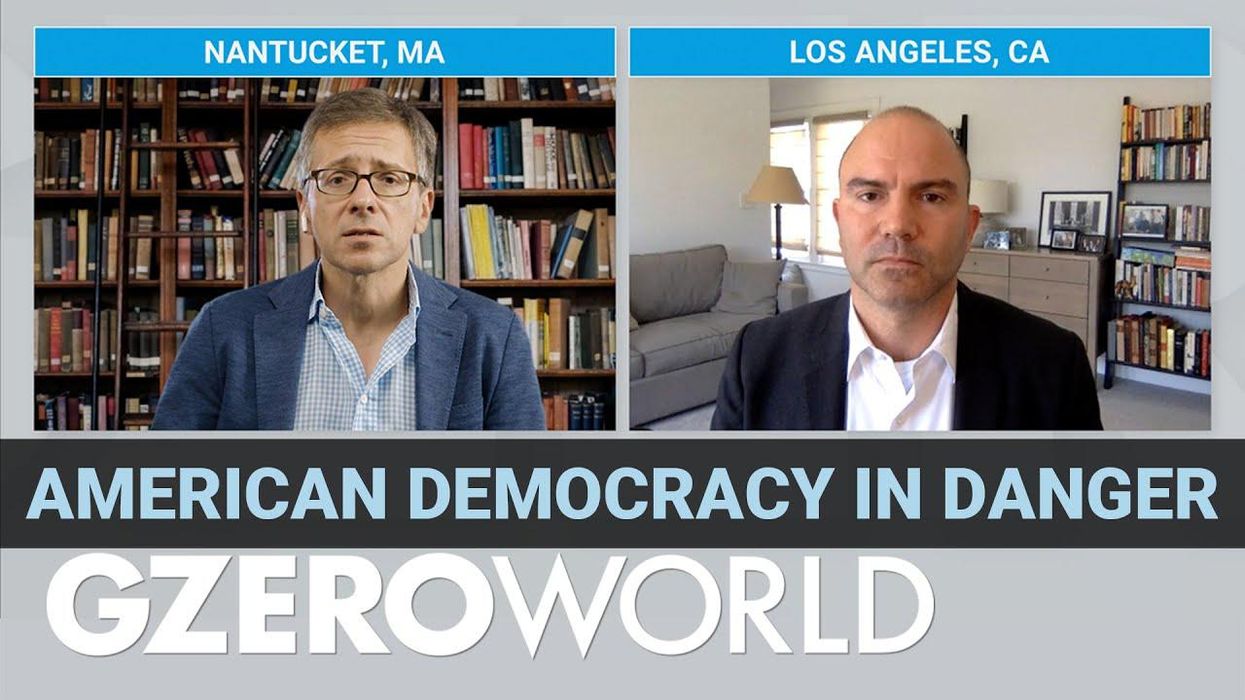
Is American democracy in danger?

American power was indisputable in the 20th Century. But today the country is facing unprecedented polarization caused, in part, by wars in Iraq and Afghanistan, the 2008 financial crisis and the amplification of disinformation on social media. On GZERO World, Ian Bremmer asks former Obama Deputy National Security Adviser Ben Rhodes whether the American Century is truly over, or if there's anything we can do to restore the country's reputation as a "shining city upon a hill."

Can President Biden convince the average Joe that foreign policy matters?
GZERO World Clips

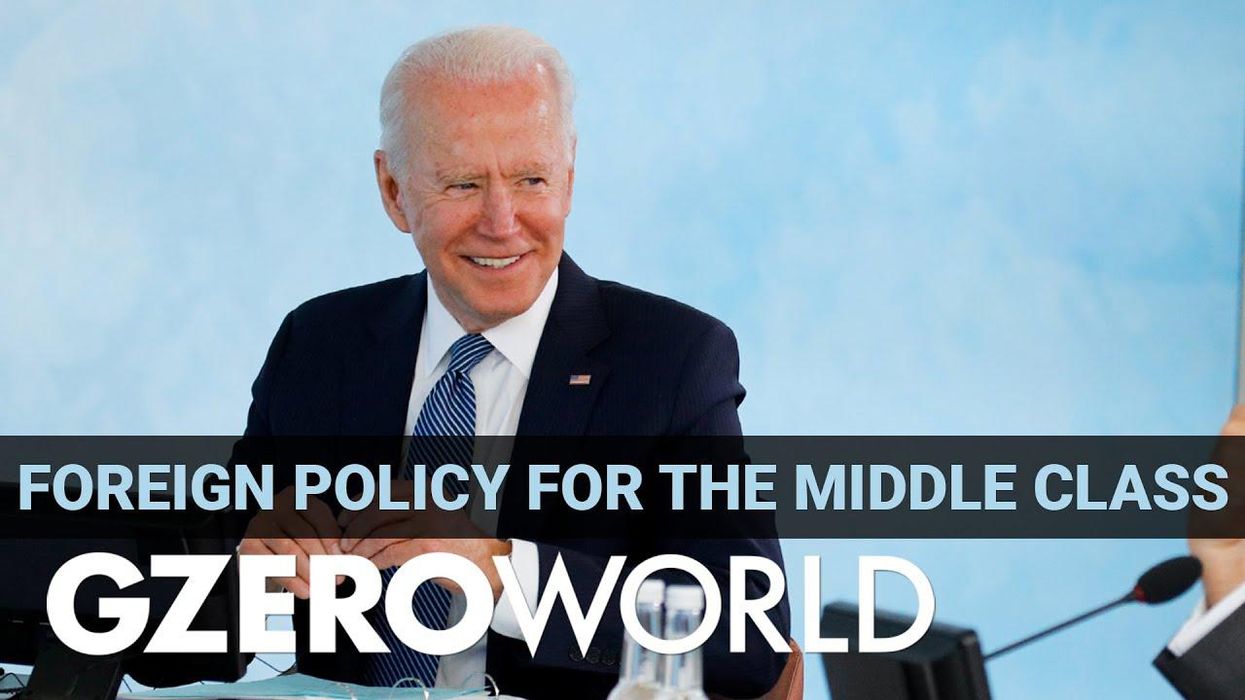
Can President Biden convince the average Joe that foreign policy matters?

"You can't defend yourselves by building higher walls," says former US ambassador to NATO Ivo Daalder. The COVID crisis has proven that problems "over there" are problems at home and the US must engage in global affairs.

Takeaways from President Biden’s first G7 summit
GZERO World Clips

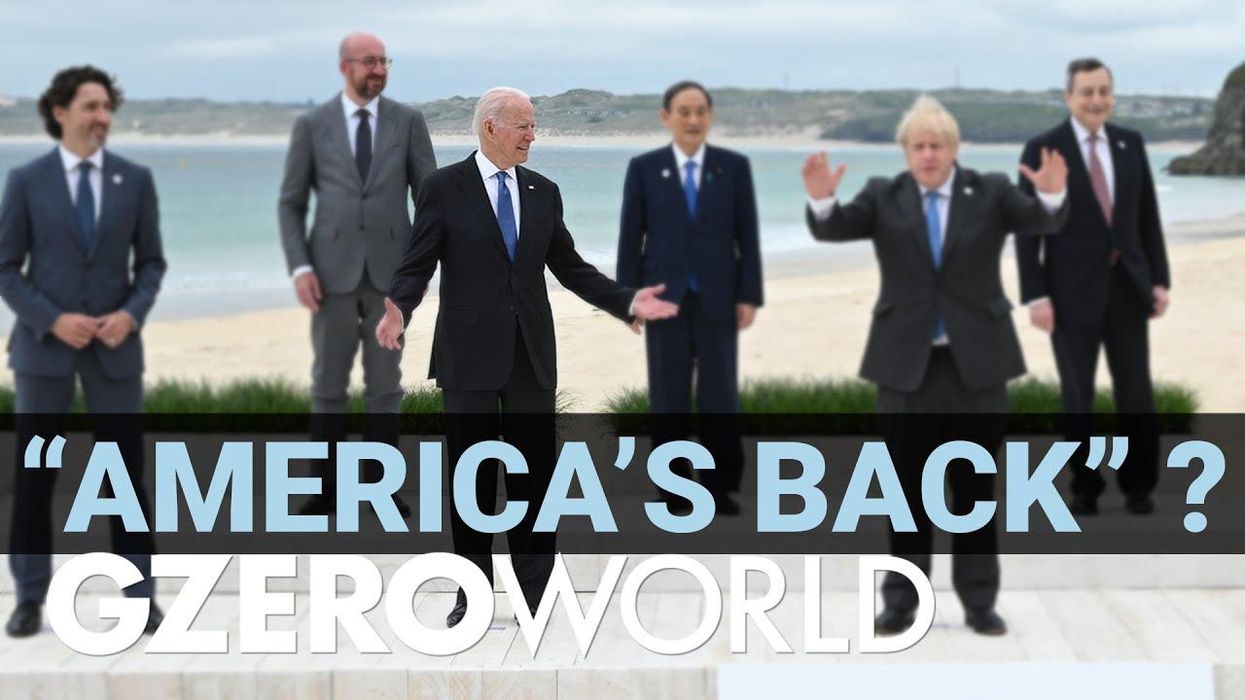
Takeaways from President Biden’s first G7 summit

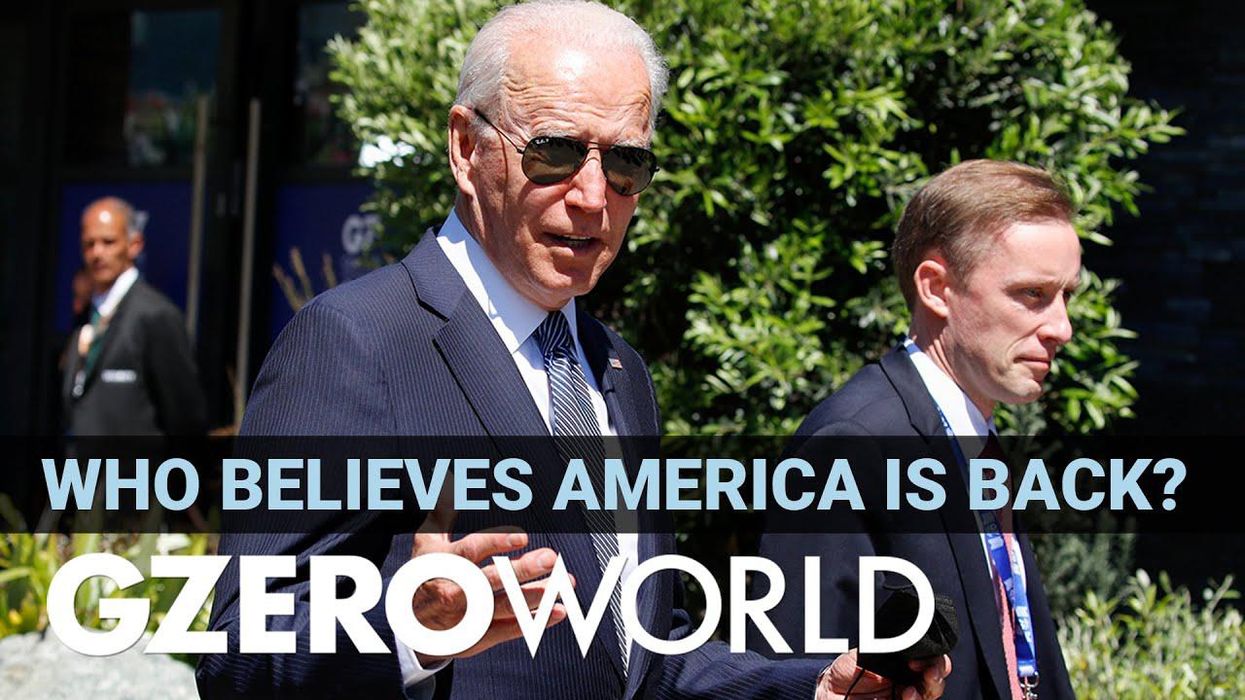
Is America back? If so, what's it back to do? Ian Bremmer says it's a heavy lift to restore the world's trust in American values, yet Biden's first trip abroad as President of the United States was a step in the right direction.

European allies welcome back a US that is engaged and “loves Europe”: Ivo Daalder
GZERO World Clips

European allies welcome back a US that is engaged and “loves Europe”: Ivo Daalder

Biden's first trip abroad as President of the United States attempts to restore normalcy to diplomacy. But, former US ambassador to NATO, Ivo Daalder, wonders if the US may need to take a fresh approach to its challenges with the global world.

How US foreign policy impacts all Americans
GZERO Live

How US foreign policy impacts all Americans

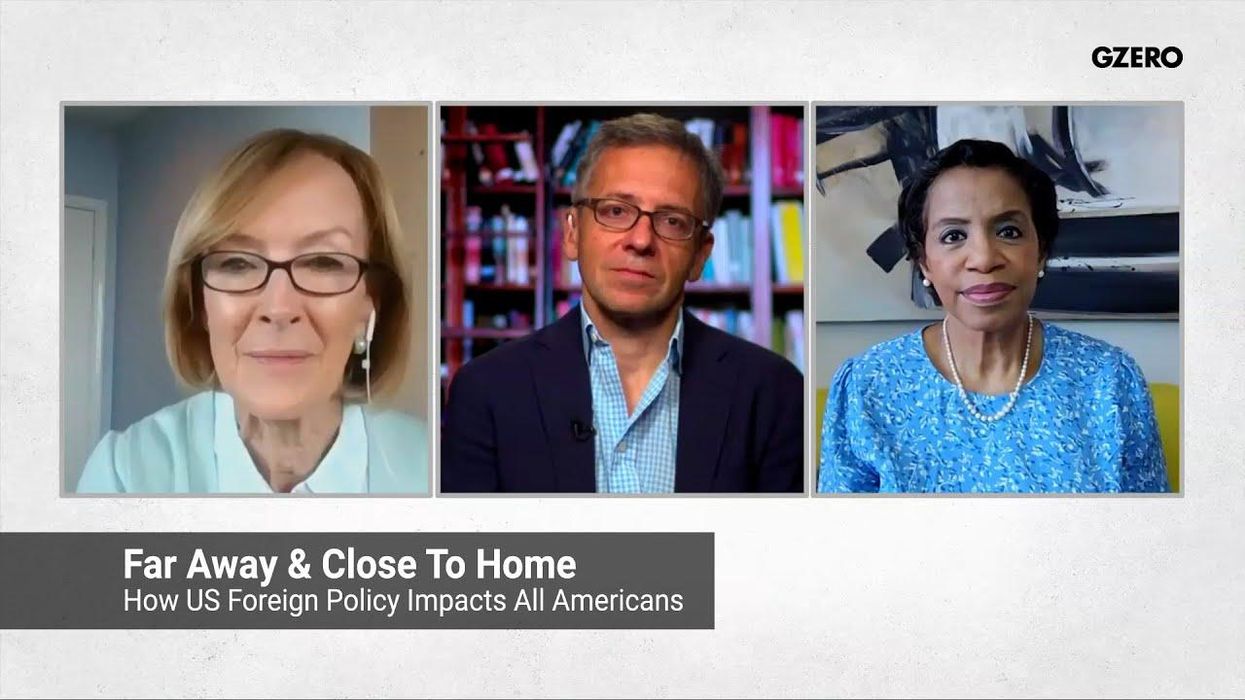
Why should Americans care about US foreign policy? Whether or not they relate to most "high-brow" diplomacy issues, they should be interested in how US foreign policy impacts their daily life via immigration, trade, America's role in the world, and even race. A few experts shared their thoughts on Tuesday, June 15, during the livestream conversation "How US Foreign Policy Impacts All Americans" presented by GZERO Media and sponsored by the Carnegie Corporation.

Biden and G7 take on China
Quick Take

Biden and G7 take on China

Ian Bremmer's Quick Take: The US showed leadership at the G7, with alignment to support lower income countries & counter China's Belt and Road.

Biden's vaccine diplomacy and US global leadership; US-China bill gets bipartisan support
US Politics In 60 Seconds

Biden's vaccine diplomacy and US global leadership; US-China bill gets bipartisan support

Jon Lieber discusses the bipartisan US-China bill that passed the Senate this week, and Biden's plans to restore US global leadership through vaccine diplomacy.

Trump didn't invent Americans' rejection of US post-war leadership role
The Red Pen

Trump didn't invent Americans' rejection of US post-war leadership role

In his latest Financial Times op-ed, Martin Wolf argues that the US global role is at stake in this election and that a Trump re-election would undo America's legacy of democratic leadership in the world. Ian Bremmer and Eurasia Group's Jeffrey Wright grabbed the Red Pen to argue that a Trump presidency exists in part because of Americans' rejection of the US's post-war leadership role, and these feelings run deeper than the article suggests.