If there's one thing the Brits, the Russkies and the Yanks have all learned over the years, it's this: Being a superpower is hard. After all, it means not only projecting military, economic and cultural influence well beyond your borders, but also doing it in different parts of the world at the same time. Very few countries have been able to pull that off throughout history. And right now, the US is the only one that fits the bill in every category.
Still, being a superpower ain't what it used to be.
It was once all about armies, alliances and soft power, from diplomatic pirouettes to the strategic use of foreign aid. Those things still matter, sure, but world powers now require an extra set of tools that are both very different and accessible to a far wider range of people. When the term was first coined by a Yale Professor in the 1940s, few were pondering the ways big data, artificial intelligence, cyberwarfare, social media, and machine learning would affect the global balance of power.
Today, it's a different game.
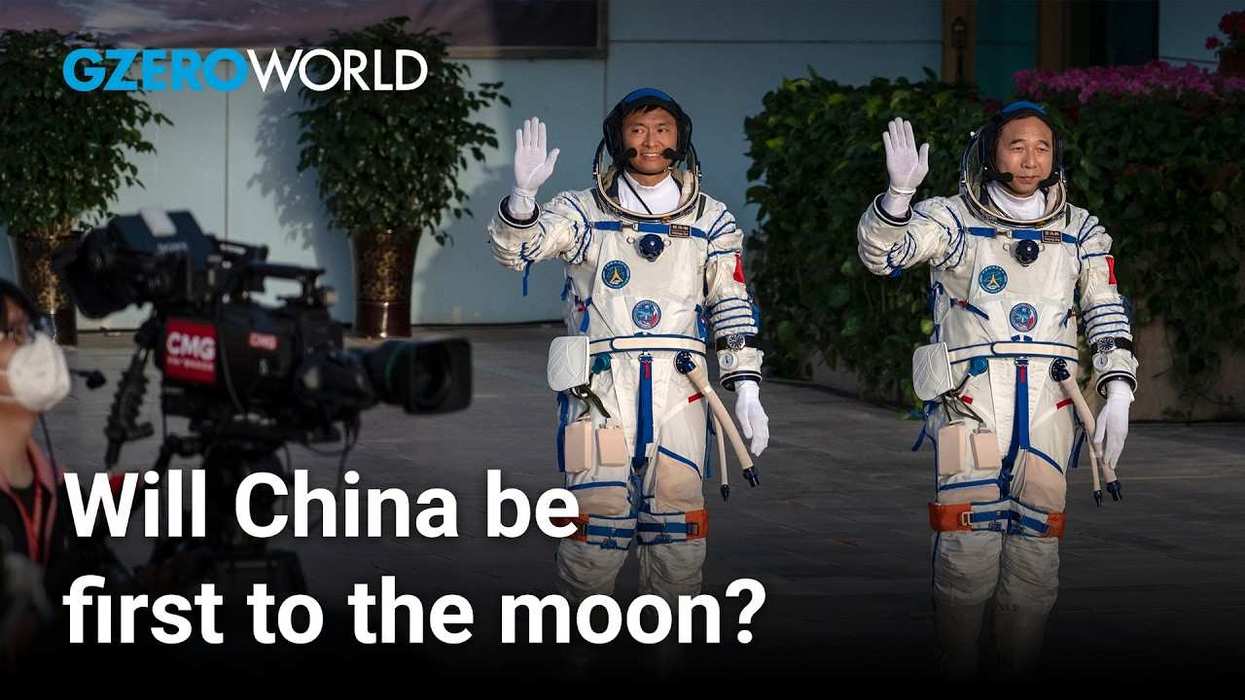
And if there's one country with the means to play, it's China. Beijing has staked its own claim to global power in large part on dominating artificial intelligence by 2030, the year its economy is set to become the world's largest. Its mounting array of cyber tools and its lead on the 5G race could give it the edge it needs. What's more, with a $1.3 trillion dollar plan to build infrastructure across the globe, and massive investments in naval expansion, China certainly looks like it's getting ready to stake a fresh claim to global superpowerdom.
Still, if this is to be the "Chinese century," as The Economist predicts, a looming unknown remains: What kind of power does Beijing actually want? And what will it mean for the world if, for the first time in modern history, a superpower with the largest economy on earth is an authoritarian one-party surveillance state?
For now, China is still in many ways a regional power of Asia – but as President Xi Jinping eyes the prize of putting his country "at the center of the world stage," the answers to these questions will be a driving force behind how much of the world's future societies function.
And they are also precisely the focus of this week's show on GZERO World with Ian Bremmer.