News
May 09, 2019
52: Only a slim majority (52 percent) of Iranians polled now support the 2015 nuclear agreement, which the US walked out of last year. Back in 2015 more than three quarters of those surveyed approved of the agreement. Hardliners in Tehran are pleased to see this: they never much liked the deal to begin with.
2: North Korea yesterday test-launched two more short-range missiles. The move follows a similar move last Saturday. None of this violates Kim Jong-un's promise to stop testing long-range or nuclear missiles, but angrily firing missiles into the sea is seen as a sign that North Korea is frustrated by scant progress in negotiations with the US over its nuclear program.
1.6: Australia's government has printed $1.6 billion worth of currency… with a typo on it. The new Aussie 50-dollar bill, the country's most widely circulated bill, misspells the word "responsibility" in quoting a speech by the country's first female parliamentarian, Edith Cowan. We have to ask: whose responsibility is this?
0: So far, zero European countries have heeded the Trump Administration's call to ban the Chinese tech firm Huawei from their plans to build 5G communications networks, prompting US Secretary of State Pompeo to accuse them of going "wobbly."
More For You
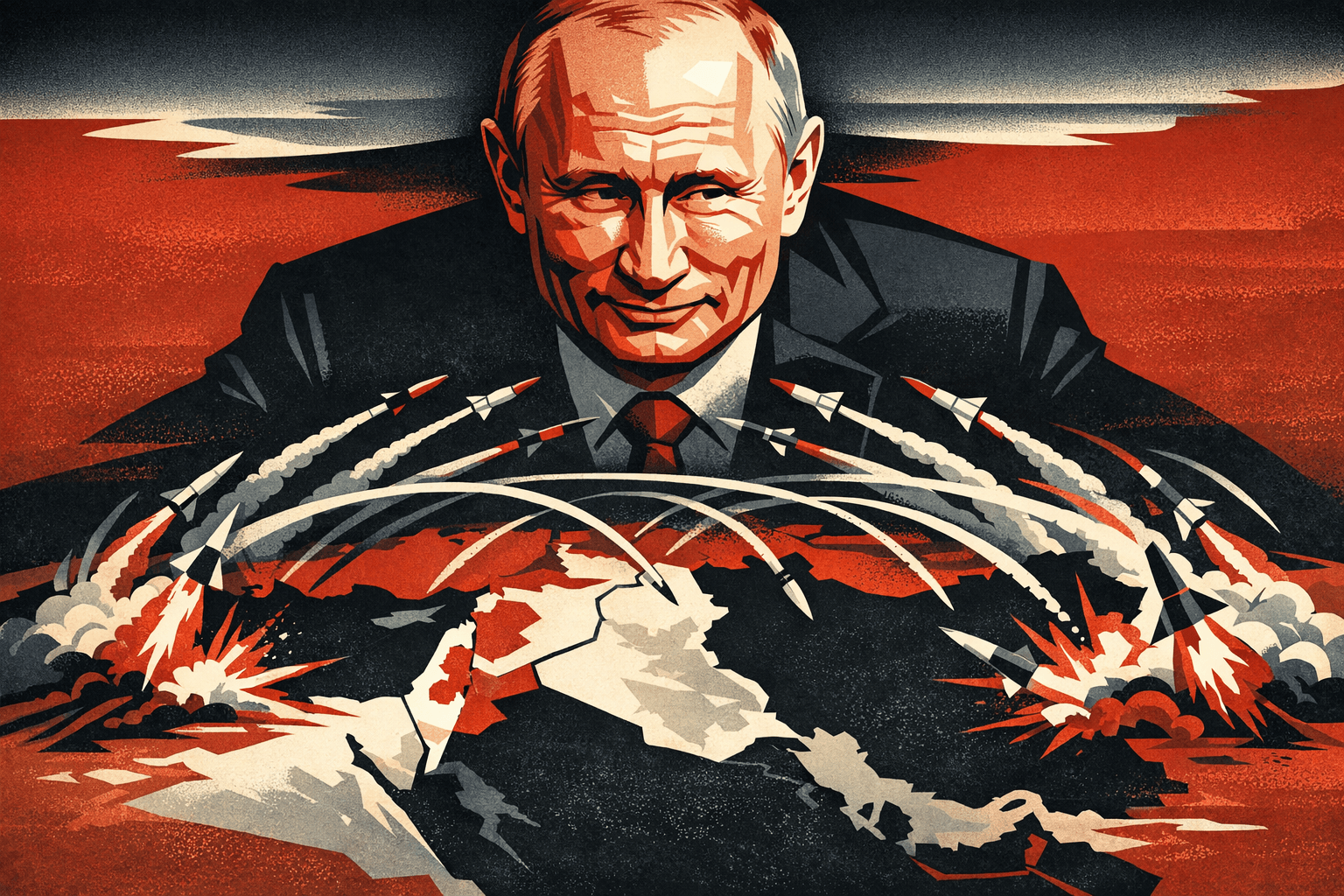
Putin looks on over missiles flying between Israel and Iran.
Three weeks into the US-Israeli war against Iran, the list of losers is unusually long. Iran is getting devastated. The United States is trapped in an asymmetric conflict it can't exit.
Most Popular
What's Good Wednesdays
What’s Good Wednesdays™, March 18, 2026
Sponsored posts
Why are car buyers pumping the breaks?
- YouTube
The war in Iran is entering a more dangerous phase.
Chris, an Army veteran, started his Walmart journey over 25 years ago as an hourly associate. Today, he manages a Distribution Center and serves as a mentor, helping others navigate their own paths to success. At Walmart, associates have the opportunity to take advantage of the pathways, perks, and pay that come with the job — with or without a college degree. In fact, more than 75% of Walmart management started as hourly associates. Learn more about how over 130,000 associates were promoted into roles of greater responsibility and higher pay in FY25.
Microsoft, Europol, and industry partners took coordinated action to disrupt Tycoon 2FA, a major phishing‑as‑a‑service operation designed to bypass multifactor authentication. Active since 2023, the service fueled large‑scale online impersonation, enabling fraud, data theft, and disruptions across sectors, including healthcare and education. Acting under a US court order, the coalition seized hundreds of domains powering Tycoon 2FA’s infrastructure — underscoring the need for global, public‑private cooperation that is essential to counter industrialized cybercrime and protect digital trust. Read the full blog here.
© 2025 GZERO Media. All Rights Reserved | A Eurasia Group media company.