Search
AI-powered search, human-powered content.
scroll to top arrow or icon

Future-proofing the internet from radicalization & extremist content

The Christchurch Call to Action, a political summit initiated by New Zealand’s Prime Minister Jacinda Ardern, gathered during the UN’s General Assembly to renew its commitment to creating a safer digital world.

The Summit was formed in 2019 following a massive terror attack in Christchurch that left 51 dead and dozens wounded. The terrorist used social media to livestream the murderous rampage for several minutes, and the video was viewed by thousands before it was removed from the internet.


In an interview with GZERO Media, Paul Ash, PM Ardern’s Special Representative on Cyber and Digital, detailed the key issues discussed in the meeting. “The first, how do we respond to crises and keep people safe when the internet is abused by terrorists and violent extremists? Second, how do we think about prevention? Ash continued, “The third thing we looked at in our summit meeting was the question of how the Christchurch Call can remain current. How do we future-proof it as the internet changes into a more immersive environment?”

The Summit is aimed at combatting extremism and hate online, and, in particular, gender-based hatred and harassment and attacks on the LGBTQI communities.

Ash told GZERO that to ensure a free, open, and safe Internet of the future the Summit leaders also need to focus on emerging technologies that may create larger risks for people and societies.

“We've got our work cut out, as we think about the next eight years, to ensure that we build safety into that model, that we protect against cybersecurity attacks, and that we put people and citizens first in that process,” Ash said.
More from Global Stage

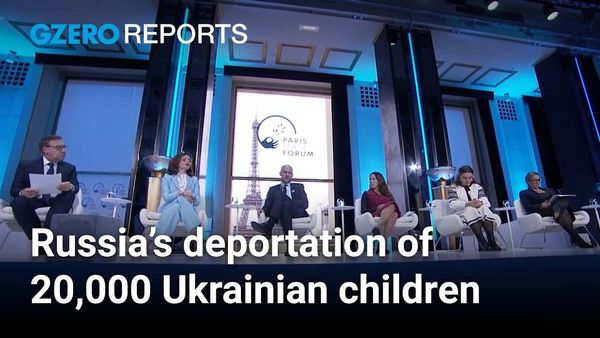
The fight to bring Ukraine’s children home

What will it take to bring thousands of Ukrainian children home? As Russia’s war against Ukraine continues, the fate of children taken from their families has become an urgent international challenge, raising difficult questions about justice, accountability, and the path to lasting peace.

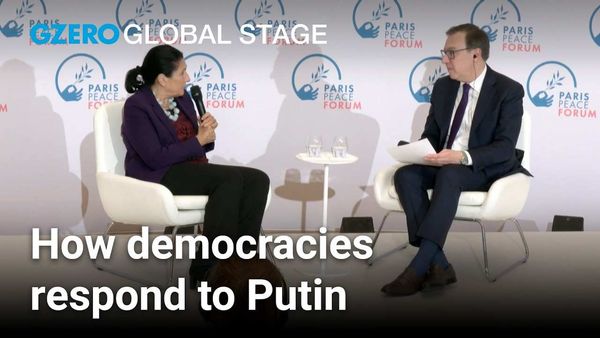
Salome Zourabichvili on Putin, Trump, and the West’s response to Russia

At the 2026 Paris Peace Forum, former Georgian President Salome Zourabichvili reflects on why Western democracies failed to respond more forcefully to Vladimir Putin’s efforts to expand Russian influence over neighboring countries and challenge European security, despite years of warning signs.

Building safer AI products for children

AI is creating new ways for children to learn and interact, but how are companies building these tools with young users in mind?

New Paris Peace Forum chief on kids, AI and a shifting world

Can sovereignty and cooperation go together? Franck Paris, the new director general of the Paris Peace Forum, says sovereignty without cooperation is "just an illusion."

France’s Éléonore Caroit on children's safety online and youth protests

As children face growing risks from social media, artificial intelligence, and other global challenges, France is calling for stronger international action to protect younger generations.

How can AI enhance human progress?

As artificial intelligence becomes more powerful and more deeply embedded in everyday life, how can we ensure it remains a tool for human progress, and under human control?