Skip to content
Search

Latest Stories

Graphic Truth

The Graphic Truth: High drama at the UN General Assembly
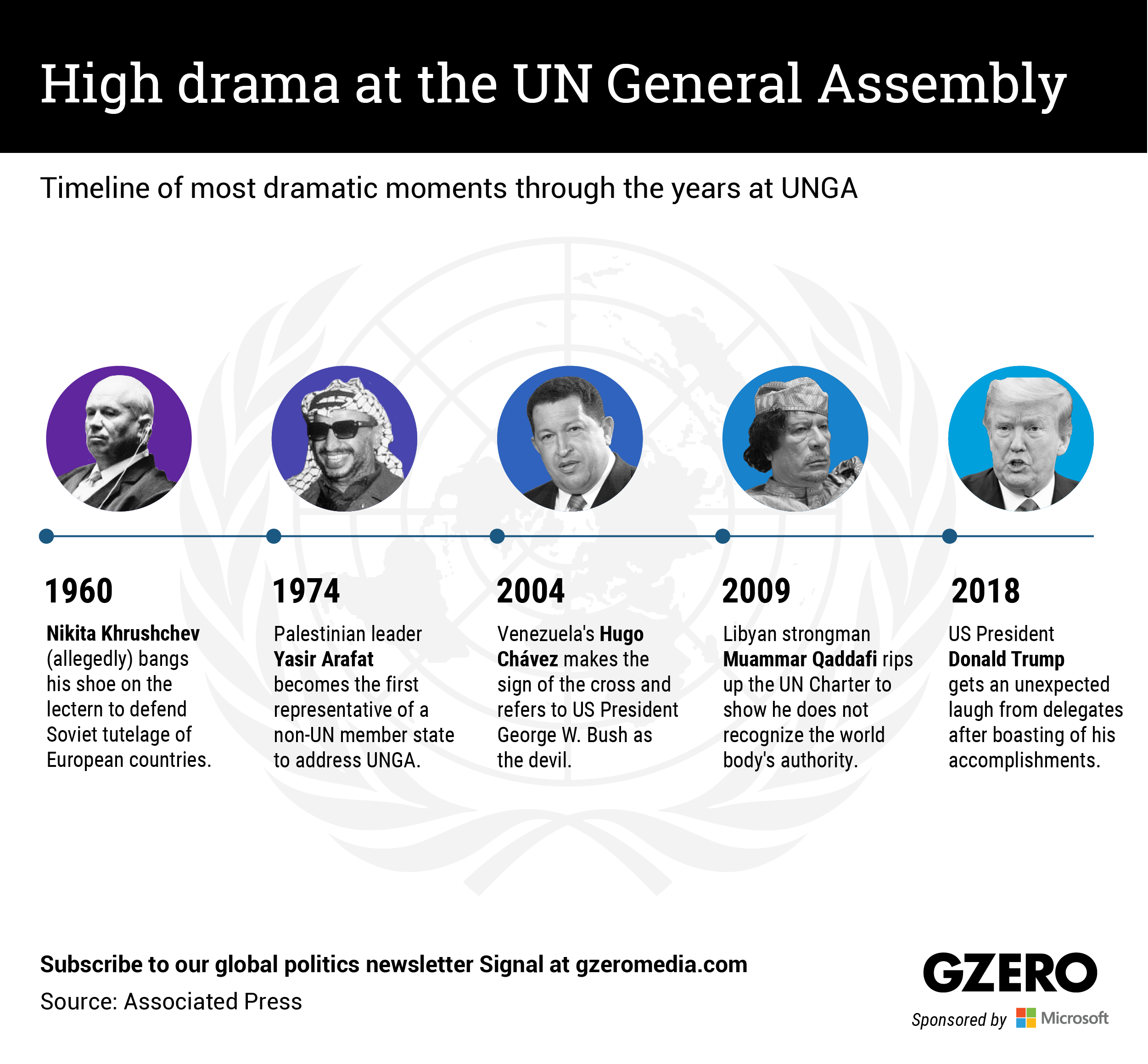
The Graphic Truth: High drama at the UN General Assembly
Make us preferred on Google

This year's United Nations General Assembly will be mostly virtual, so the high-stakes drama of global diplomacy won't be the usual "contact sport" between rivaling nations. But previous UNGA editions have been full of surprising, unusual, and often bizarre moments inside the General Assembly Hall in New York. Here's a historical look at highly dramatic events that have taken place at the world's largest diplomatic gathering since 1945.

More For You

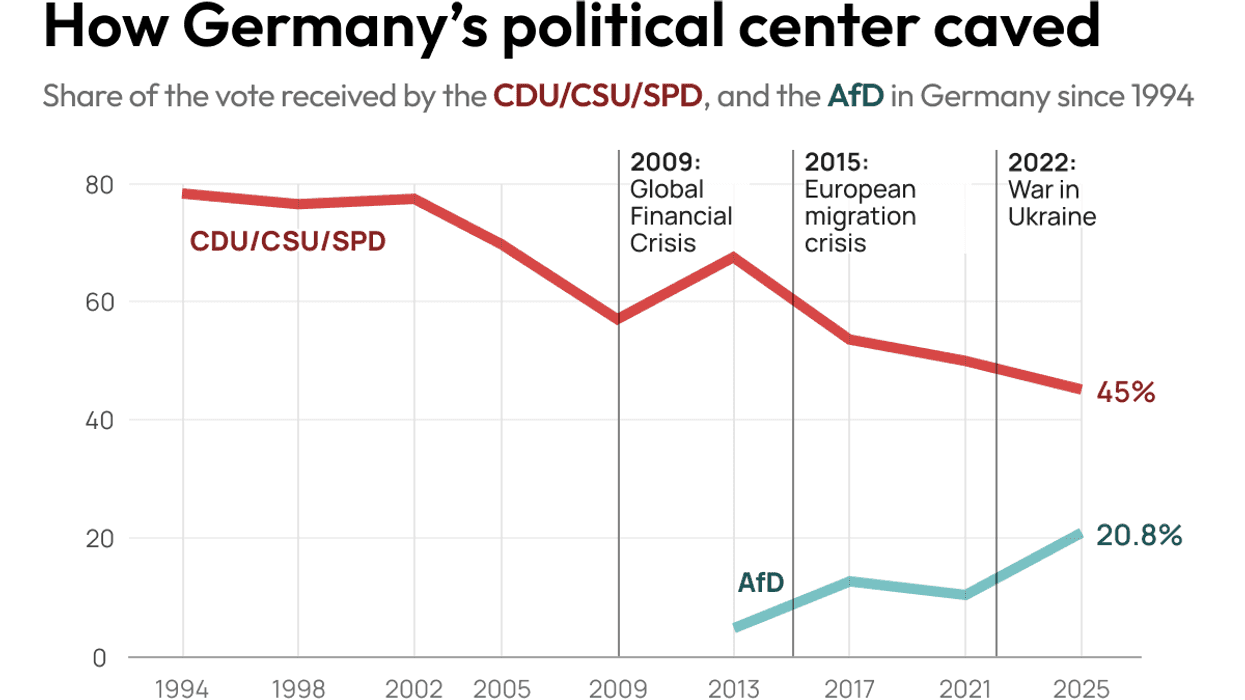
How Germany’s political center caved
Eileen Zhang
For nearly 80 years, two establishment parties have dominated/monopolized Germany's electoral politics.Since 1949, the center-left Social Democratic Party (SPD) and a conservative coalition uniting the Christian Democratic Union and the Christian Social Union (CDU/CSU) have anchored every single government – first in West Germany, and then in [...]
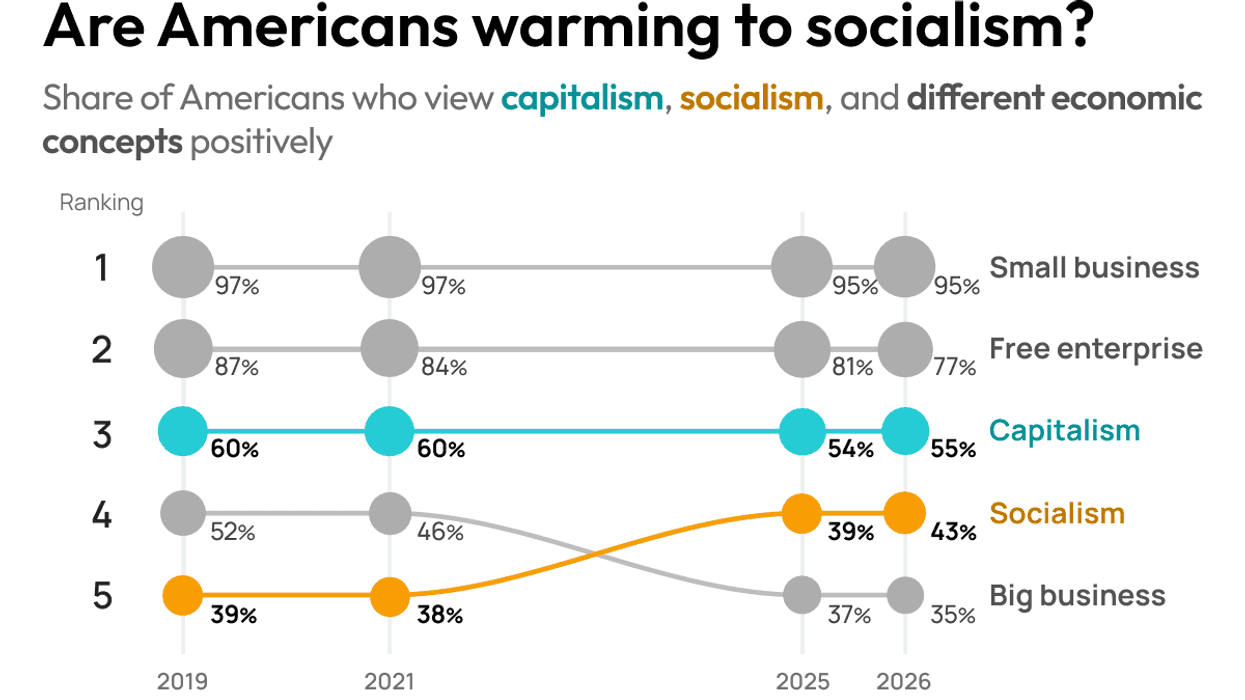
Are Americans warming to socialism?
Eileen Zhang
Socialism appears to be having a moment in the United States. According to surveys by Gallup, 43% of Americans now view socialism positively, the highest share since they began asking the question in 2010. Socialism still trails capitalism and free enterprise, but it has overtaken big business, which just 35% of Americans view positively. Why now? [...]
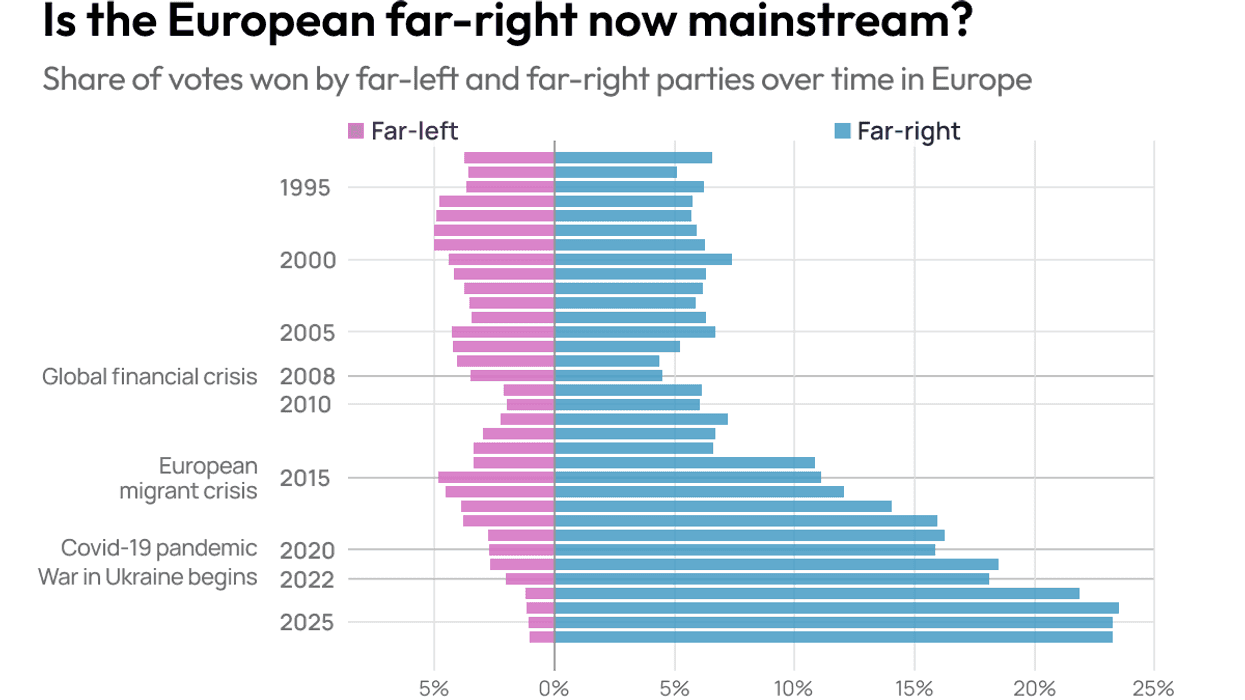
Is the European far-right now mainstream?
Eileen Zhang
Twenty years ago, far-right parties won less than 7% of the vote across Europe. Today? Close to a quarter. That’s according to data from the PopuList, a project involving more than 100 political scientists that tracks election results in Europe since 1993. The parties once on the political fringes look increasingly mainstream. In France, the [...]
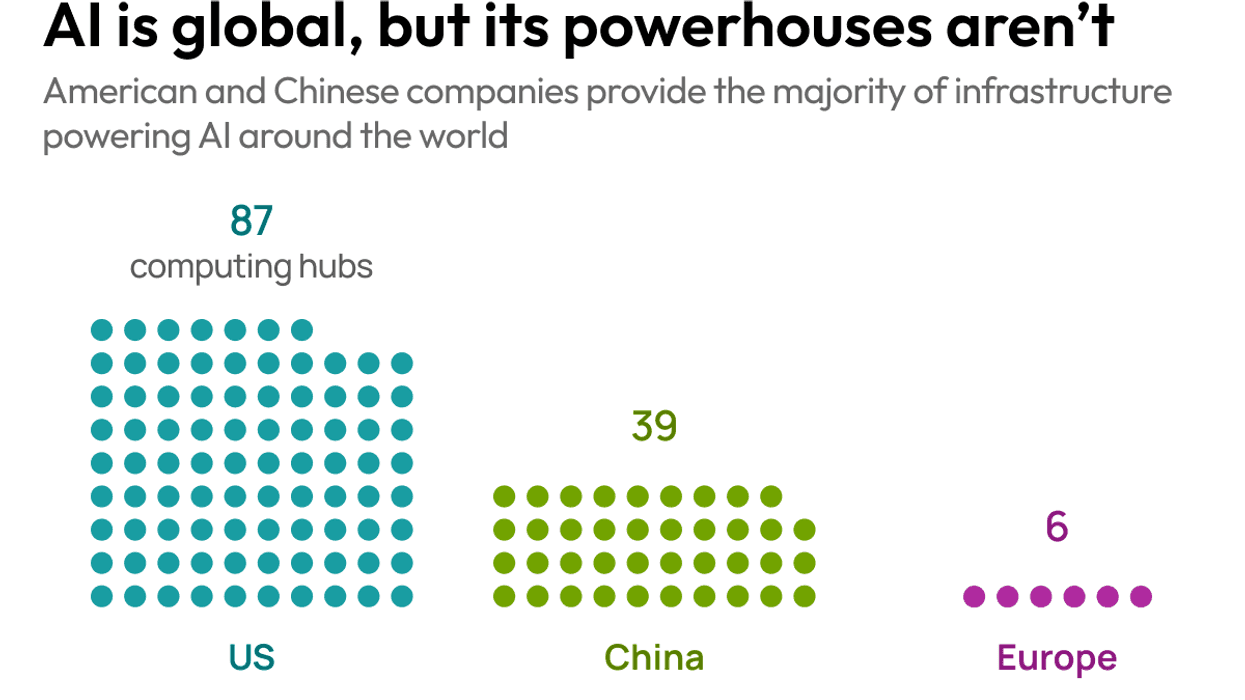
AI is global, but its powerhouses aren’t
Eileen Zhang
Artificial Intelligence is undoubtedly the most transformative and disruptive technology of our era. But although people in nearly 150 countries use it, the infrastructure that makes it possible is largely controlled by just two: the US and China, with European companies trailing in a distant third place. That includes physical data centers, [...]