Search
AI-powered search, human-powered content.
scroll to top arrow or icon

Is net zero really possible? Watch our live event

Climate Crisis: Is net zero really possible? Tuesday, November 2, 2021 11 am ET / 8 am PT | Global Stage

As COP26 nears, the need for real climate action has never been more urgent. There are reasons for hope, but many scientists believe the ambitious goal of net zero emissions by 2050 is unattainable without immediate and significant change. Governments, financial institutions, and private sector companies alike have all recognized the need for a multistakeholder approach to solving this crisis of a lifetime.

Watch "Climate Crisis: Is net zero really possible?" a one-hour virtual livestream, hosted by GZERO Media and Microsoft as part of the Global Stage series, to hear scientists, corporate leaders and policymakers debate this question and offer critical perspectives on the way forward. Live on Tuesday, November 2nd at 11am ET, we'll break down what "net zero" means, take stock of where the world is on the path to carbon neutrality, and discuss critical steps needed to make real progress.


Speakers include:

  • Diana Fox Carney, Senior Advisor, Eurasia Group
  • Gerald Butts, Vice-Chairman, Eurasia Group
  • Katharine Hayhoe, Atmospheric Scientist, Professor and Director of the Climate Science Center, Texas Tech University
  • Naoko Ishii, Director of Center for Global Commons, and Executive Vice President of the University of Tokyo
  • Lucas Joppa, Chief Environmental Officer, Microsoft
  • Jeanine Mabunda Lioko, Member of Parliament for Bumba, DRC, Former President of the National Assembly of the DRC
  • Catherine McKenna, former Minister of Infrastructure and Communities, Canada

Climate Crisis: Is net zero really possible?

Tuesday, November 2, 2021
11 am ET / 8 am PT

To watch live on November 2, go to: https://www.gzeromedia.com/globalstage/

Stay informed on upcoming live discussions from GZERO Media: sign up for updates and reminders about GZERO Media's events.
More from Global Stage

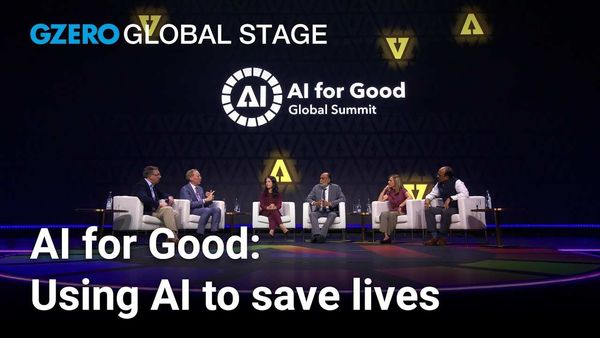
Can AI help solve global crises? Live from the AI for Good Global Summit 2026

As artificial intelligence rapidly reshapes the global economy, one question is becoming increasingly urgent: who will actually benefit? Recorded at the 2026 AI for Good Global Summit in Geneva, this special Global Stage conversation brings together leaders from the United Nations, Microsoft, and the scientific community to examine how AI can help tackle some of the world's biggest challenges, from disaster preparedness and climate resilience to humanitarian response and sustainable development.

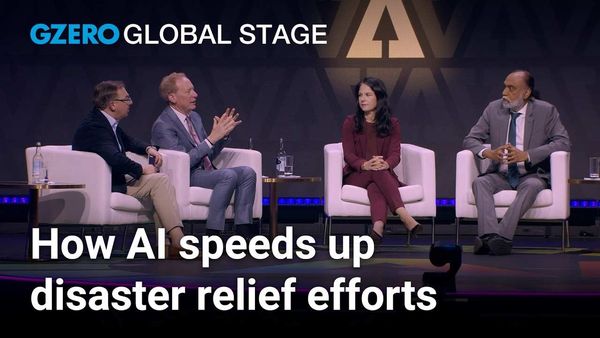
How AI speeds up disaster relief efforts

Artificial intelligence is becoming an increasingly powerful tool for disaster preparedness and emergency response. Speaking at the 2026 AI for Good Global Summit in Geneva, Microsoft Vice Chair and President Brad Smith explains how AI combines predictive modeling, satellite imagery, and public data to help governments identify vulnerable communities before disasters strike and respond more quickly when they do.

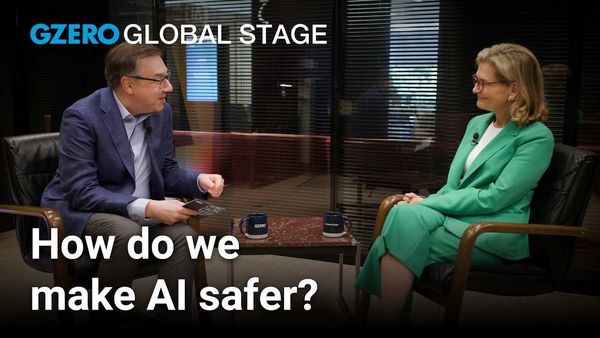
Building a safer, more equitable AI future

At the 2026 AI for Good Global Summit in Geneva, ITU Secretary-General Doreen Bogdan-Martin says the future of artificial intelligence depends on putting the right guardrails in place to ensure AI is developed safely, responsibly, and equitably.

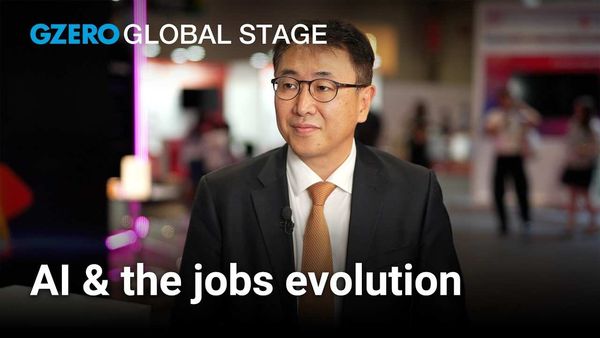
The World Bank Group's Sangbu Kim on AI and job skills

More than half of Americans believe their job is vulnerable to AI. The data tells a more complicated and in some ways more hopeful story.

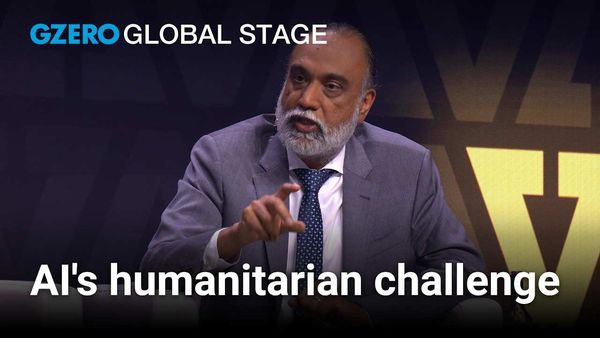
Can AI protect humanitarian aid?

Artificial intelligence is already helping humanitarian organizations identify people in need, improve supply chains, and deliver assistance more efficiently. But it also introduces new risks.

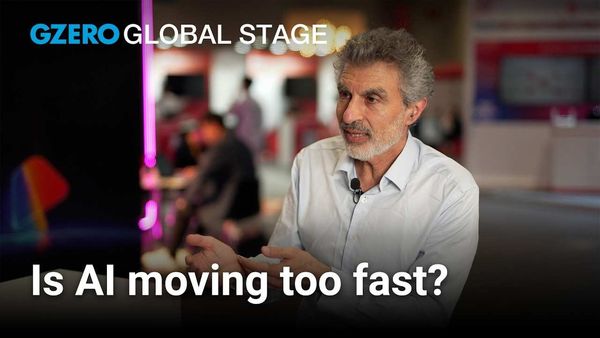
Yoshua Bengio: AI is moving faster than our ability to govern it

Artificial intelligence is advancing at an extraordinary pace, but are governments and society keeping up? In this interview from the 2026 AI for Good Global Summit in Geneva, pioneering AI researcher Yoshua Bengio discusses why today's AI safety debate goes beyond technical questions to broader issues of governance, public understanding, and international cooperation.