Skip to content
Search

Latest Stories

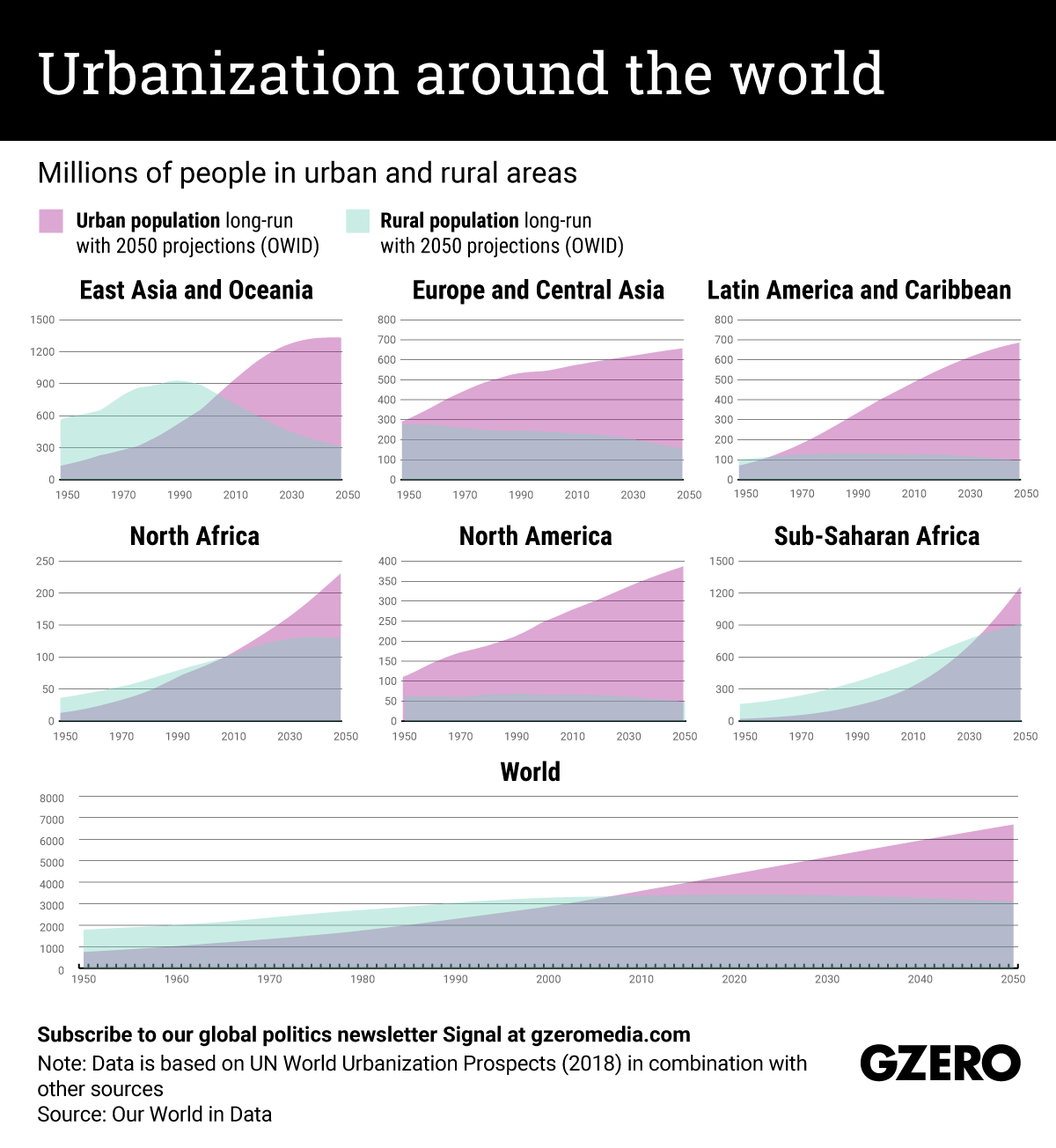
The Graphic Truth: Urbanization around the world

Graphic by Ari Winkleman
Make us preferred on Google

Over the past seven decades, dozens of countries have experienced rapid urbanization as people flock from rural areas to cities in search of more diverse economic opportunities. During that time, the global urban population has increased six-fold. Here is a look at how that trend has played out in major regions of the world. While North America and Latin America have been predominantly urban for decades, it is only more recently that East Asia has made this transition, while Sub-Saharan Africa is just on the cusp of being majority urban. Here is a look at how urbanization played out globally since 1950, with forecasts out to 2050.
More For You

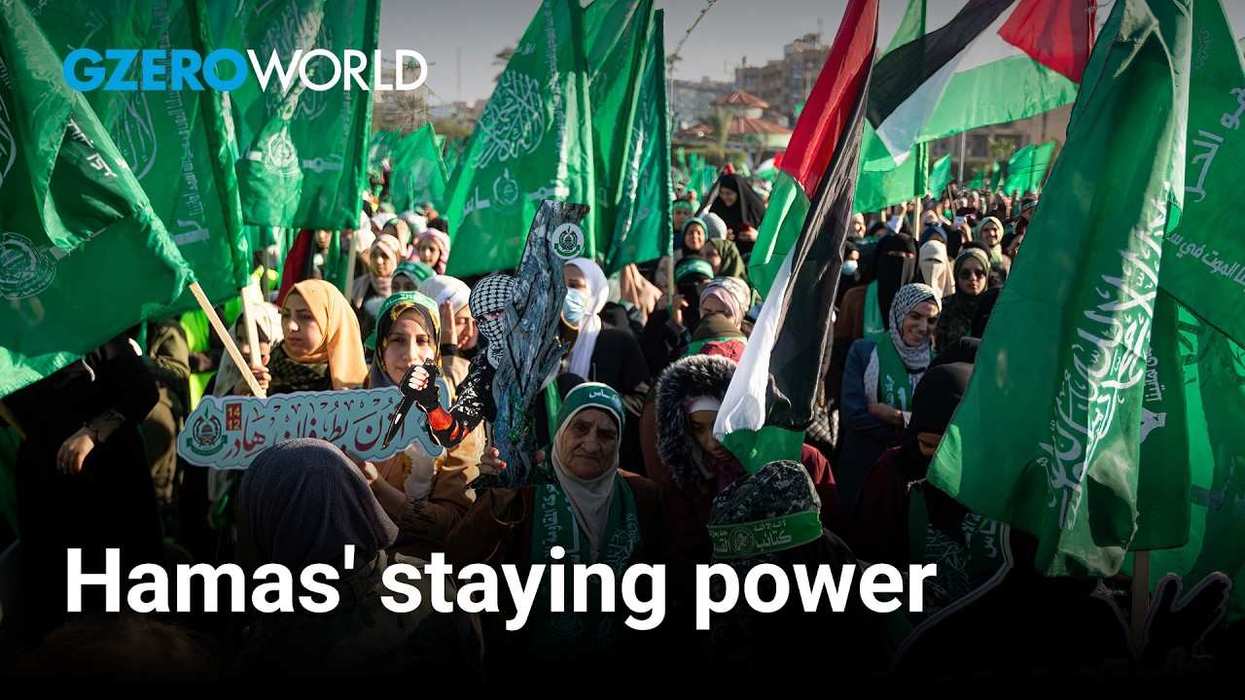
How Hamas has held onto power in Gaza
- YouTube
Aaron David Miller explains how the group holds onto control – and why Palestinians have struggled to challenge their own leaders. [...]
Israeli tank

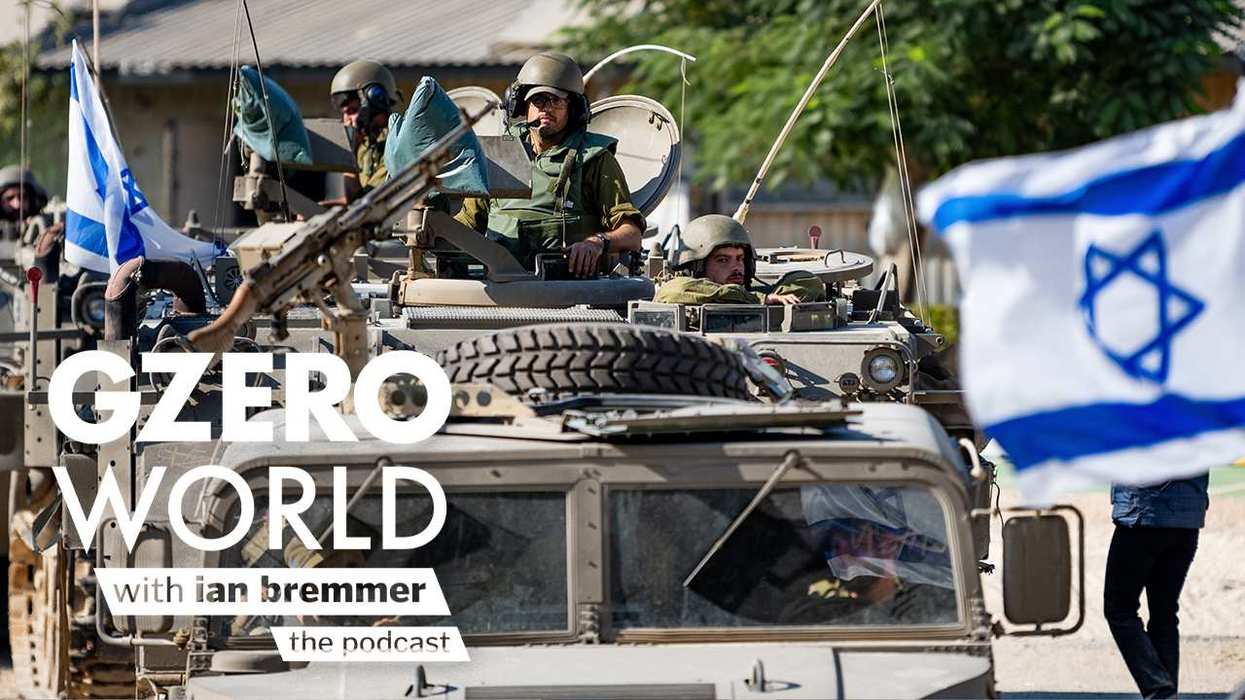
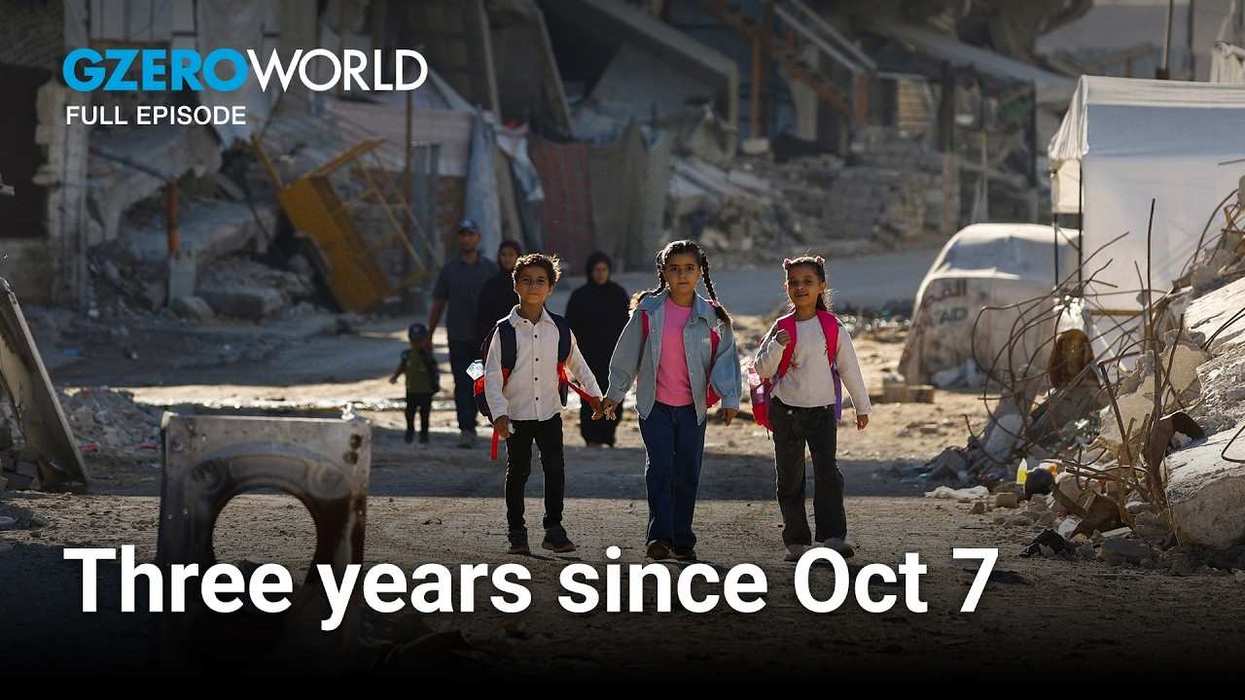
Three years later, the Middle East is transformed.

Three years after October 7, Gaza remains locked in conflict, Israel is heading into a pivotal election, and its relationship with the US is under growing strain. Former US Middle East negotiator Aaron David Miller joins Ian Bremmer to discuss what comes next for Israel and a rapidly changing Middle East.Gaza remains divided and without a clear [...]
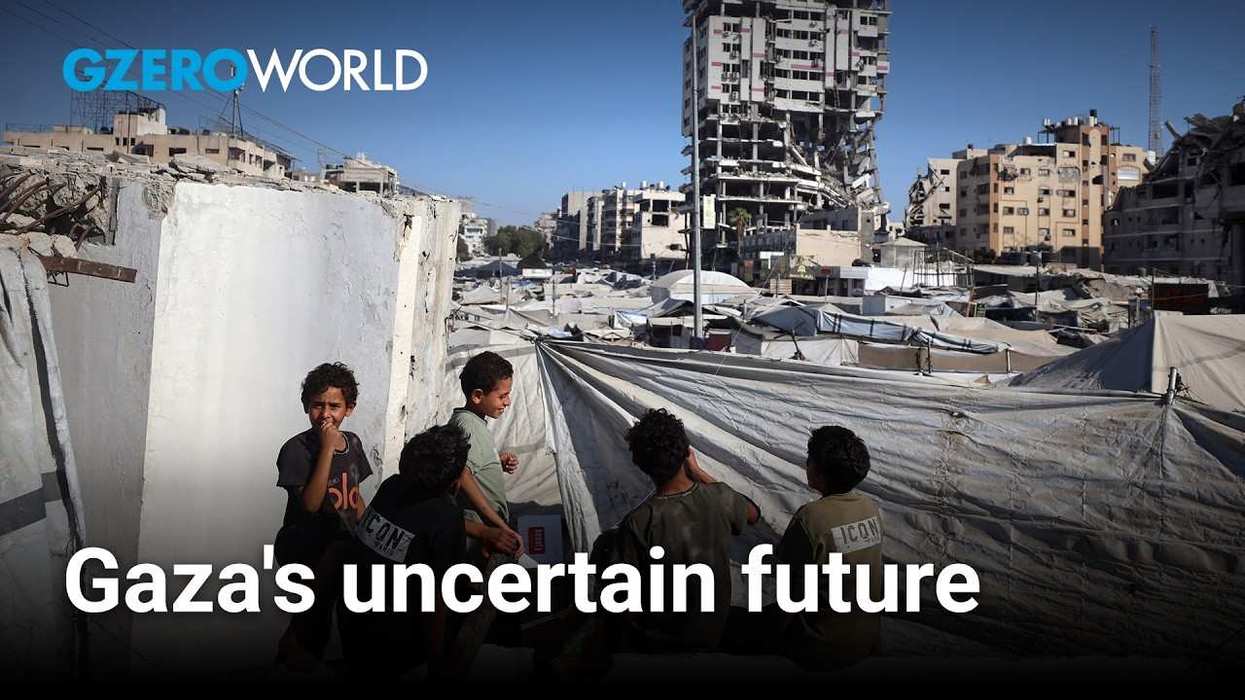
Three years on, Gaza remains in limbo
- YouTube
Aaron David Miller breaks down where Gaza stands today and why its future remains so uncertain. Former US Middle East negotiator Aaron David Miller says Israel and Hamas remain fundamentally at odds over security, governance, and reconstruction, leaving little prospect for a lasting political solution. [...]
How October 7 changed the Middle East, three years on
- YouTube
Three years after the October 7 attacks, the Middle East looks very different, and Gaza remains without a clear path forward. Hamas retains influence despite being severely weakened militarily, while millions of Palestinians continue to face difficult humanitarian conditions. [...]