Trending Now
We have updated our Privacy Policy and Terms of Use for Eurasia Group and its affiliates, including GZERO Media, to clarify the types of data we collect, how we collect it, how we use data and with whom we share data. By using our website you consent to our Terms and Conditions and Privacy Policy, including the transfer of your personal data to the United States from your country of residence, and our use of cookies described in our Cookie Policy.
{{ subpage.title }}
Trump bets big on Russian oil sanctions, but will it pay off?
President Trump has directly sanctioned Russia for the first time since retaking office, over President Putin's refusal to come to the negotiating table on Ukraine. It's a move aimed at weakening Putin’s war economy, says Eurasia Group's Gregory Brew, but one that could have ripple effects from Beijing to the US gas pump.
Trump is getting tough on Russian oil, but to have a real impact on Putin, he'll likely have to go further, which could undermine his big trade deals and push up gas prices. Here at home, US President Donald Trump is running out of patience with Vladimir Putin who refuses to return to the negotiating table for a ceasefire in Ukraine.
Last week, Trump took the surprising step of putting sanctions on two of Russia's largest oil companies, the first time the US has directly sanctioned Russia since he became president. Now, in theory, these sanctions should prevent Russia from selling oil to its two biggest customers, India and China, who together take more than two-thirds of Russia's crude oil exports an important source of income for Putin's war in Ukraine. But as ever, the devil is in the details.
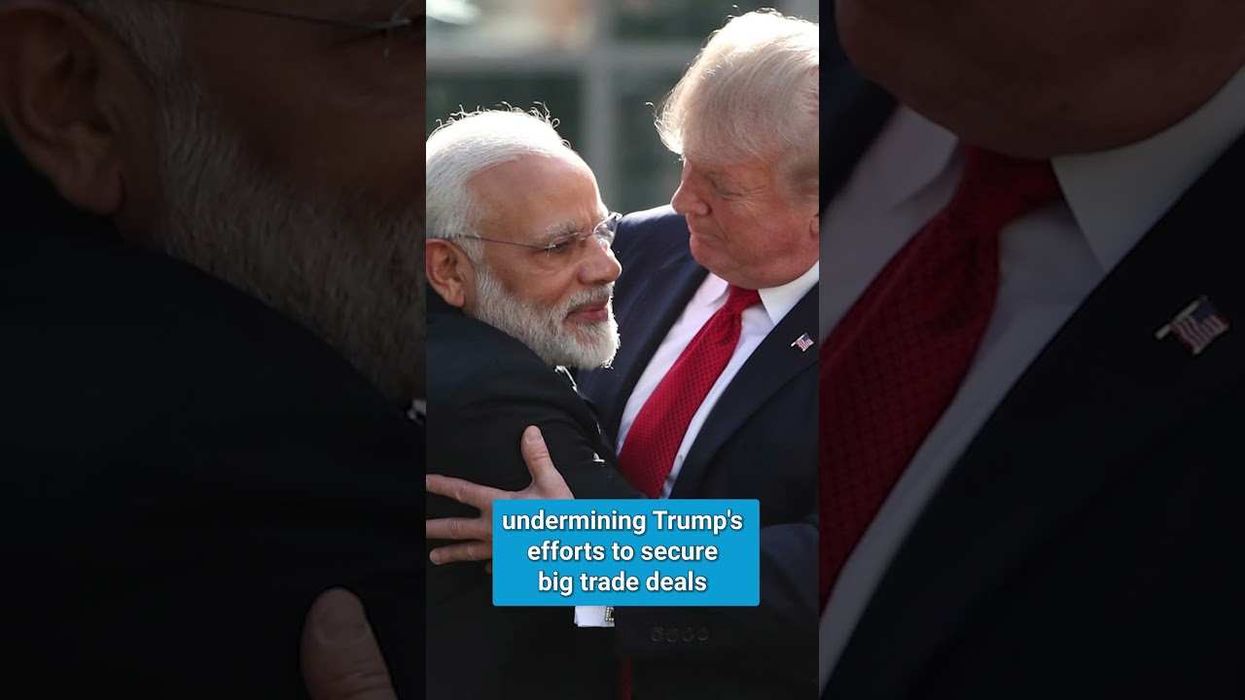
Russia has been facing sanctions and other Western measures to disrupt its crude exports for years now, and it will probably find a way around these new sanctions if the US doesn't keep up the pressure. That means more sanctions will be necessary, not just on Russia, but on its customers. Secondary sanctions on Indian and Chinese refiners who have been buying Russian crude would help cut off the flow, but there could be blowback. Sanctions could anger the Indian and Chinese governments, undermining Trump's efforts to secure big trade deals with Beijing and New Delhi.
And even if some or all of Russia's customers decide to stop taking its oil, Trump could feel the pain back at home. The disruptive impact on Russia's crude oil exports could push up oil prices, which would, in effect, raise the price of gasoline in the United States. That means that after this big initial blow, Trump is likely to take it slow. He'll look to India to voluntarily back away from Russian oil to the EU to put on some new sanctions of its own, and finally to Putin to return to the negotiating table or risk tougher sanctions ahead. As ever, Trump will look to accomplish his goals without causing a big shock to oil prices. It's a delicate balancing act that Trump will have to manage as he tries to avoid nasty economic shocks that could undermine his position back at home.
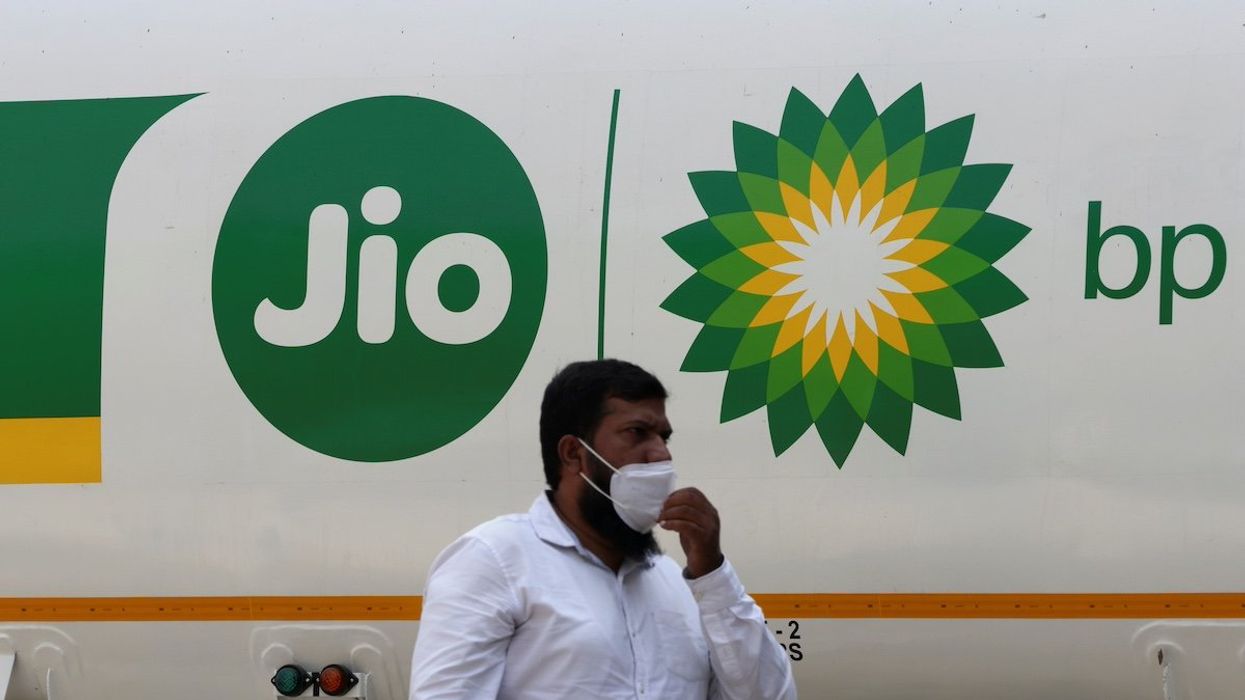
A man walks past a Jio-bp fuel tanker, an Indian fuel and mobility joint venture between Reliance Industries (RIL) and British Petroleum (bp), in Navi Mumbai, India, October 26, 2021
Hard Numbers: BP cuts thousands of jobs, UK drug seizures soar, Astronauts take a hike, Nigeria kills dozens of jihadists
5: Energy giant BP announced Thursday it would cut 4,700 employees and 3,000 contractors, a total of more than 5% of its global workforce. The move is part of a broader strategy that aims to bring down costs by $2 billion over the next two years.
3.66 billion: Drugs is big business, innit. In the year ending March 2024, UK authorities seized a record 119 tons of illegal narcotics, with a street value of $3.66 billion. About two-thirds of the haul was cannabis, and a fifth was cocaine. Elsewhere in Europe, drug interdictions have also surged – a massive Interpol operation last spring led to the seizure of more than 600 tons of narcotics or precursor chemicals. The UN says cocaine consumption in European cities has risen 80% since 2011.
7: If you’ve got cabin fever, go for a walk – if you’ve got space station fever, go for a spacewalk! That’s what US astronaut Suni Williams did Thursday, stepping out of the International Space Station for the first time since arriving more than seven months ago. Williams and her colleague Butch Wilmore were supposed to be at the station for only a week, but spacecraft trouble has kept them stranded in space, where they’ll likely remain until April or May.
76: In recent weeks, Nigerian forces have killed 76 jihadists in the country’s northeastern state of Borno. The militants belonged either to Boko Haram or to Islamic State West Africa, whose jihadist insurgency against the Nigerian government has displaced more than 2 million people and killed as many as 30,000 since it began in 2009. Growing violence and extremism in the Sahel region (which includes Mali, Niger, Nigeria, Burkina Faso, and Chad) remains one of Africa’s biggest security challenges.