Skip to content
Search

Latest Stories

global inequality

Ian Bremmer and Amina Mohammed on the promise and peril of AI
UN General Assembly

Ian Bremmer and Amina Mohammed on the promise and peril of AI

In a GZERO Global Stage discussion at the 79th UN General Assembly, Ian Bremmer and Amina Mohammed emphasized the potential of artificial intelligence (AI) to drive progress towards the Sustainable Development Goals (SDGs) and address global inequities.

World Bank's David Malpass on global debt & economic inequality
GZERO World with Ian Bremmer

World Bank's David Malpass on global debt & economic inequality

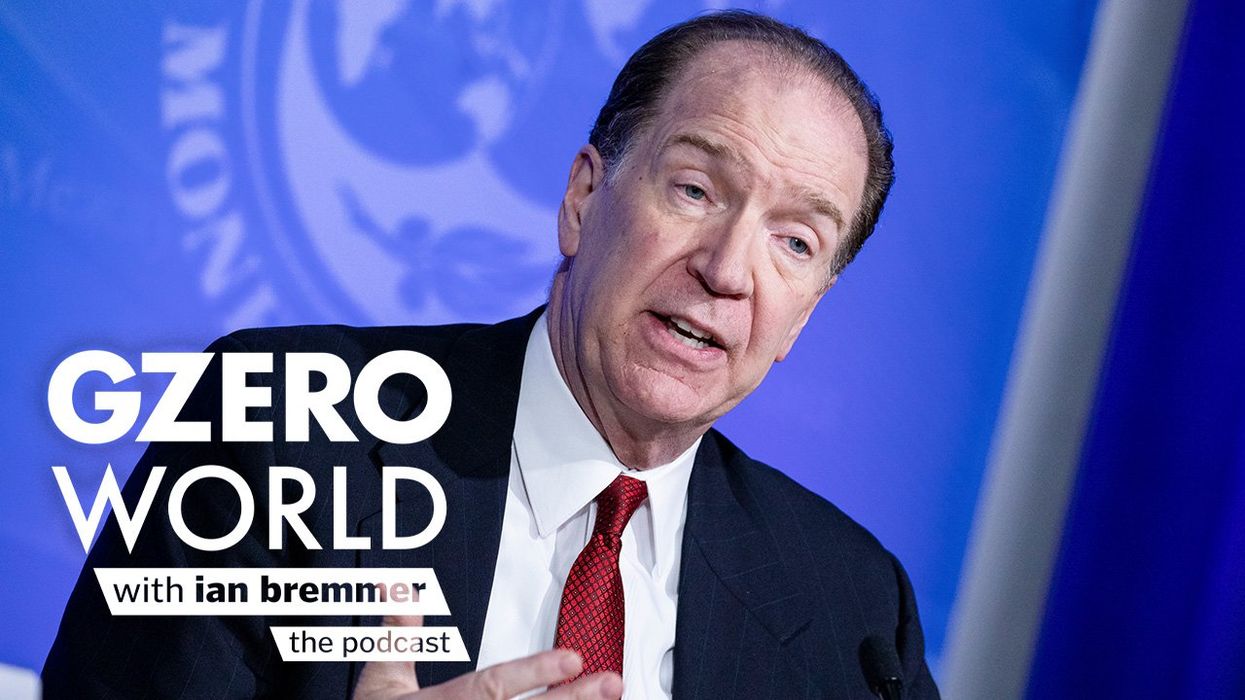
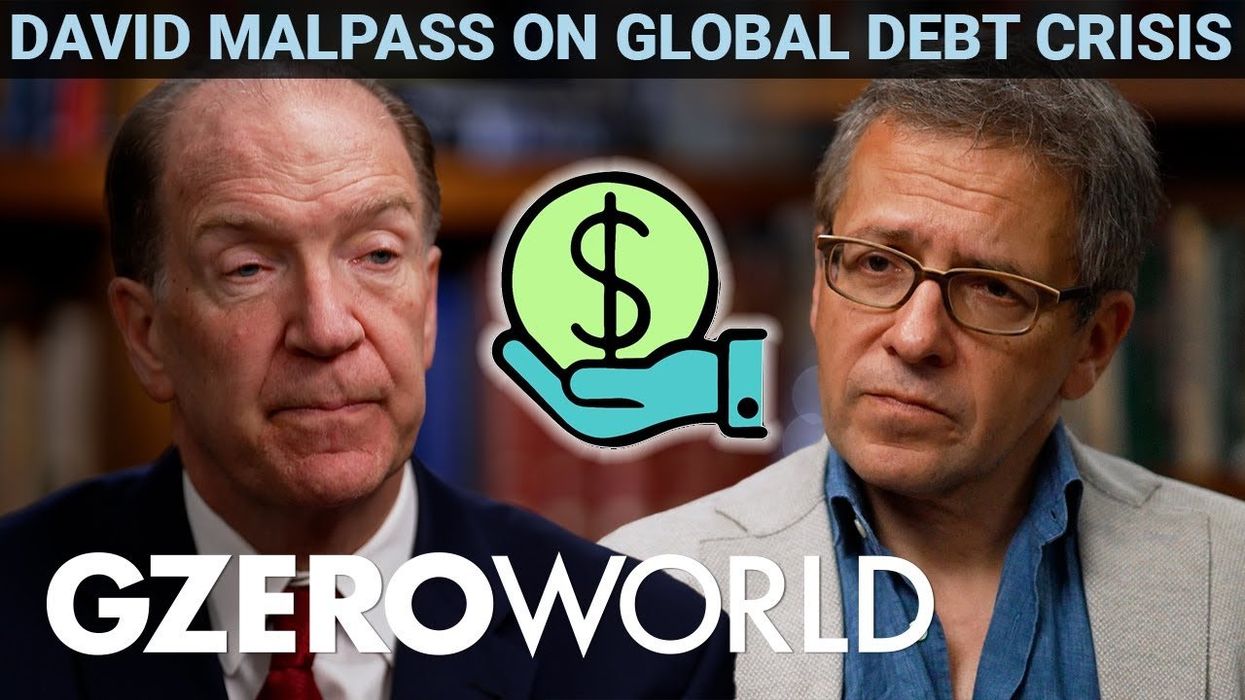
The world has a huge debt problem. Economic growth is slowing, but global debt is skyrocketing. David Malpass sits down with Ian Bremmer on GZERO World for his final interview as president of the World Bank Group to discuss the debt crisis, his tenure at the World Bank, and solutions for combatting growing economic inequality.

David Malpass (pictured) | GZERO World with Ian Bremmer: the podcast (graphic text)
GZERO World with Ian Bremmer Podcast

Podcast: Fix the global debt crisis before it's too late, warns World Bank's David Malpass

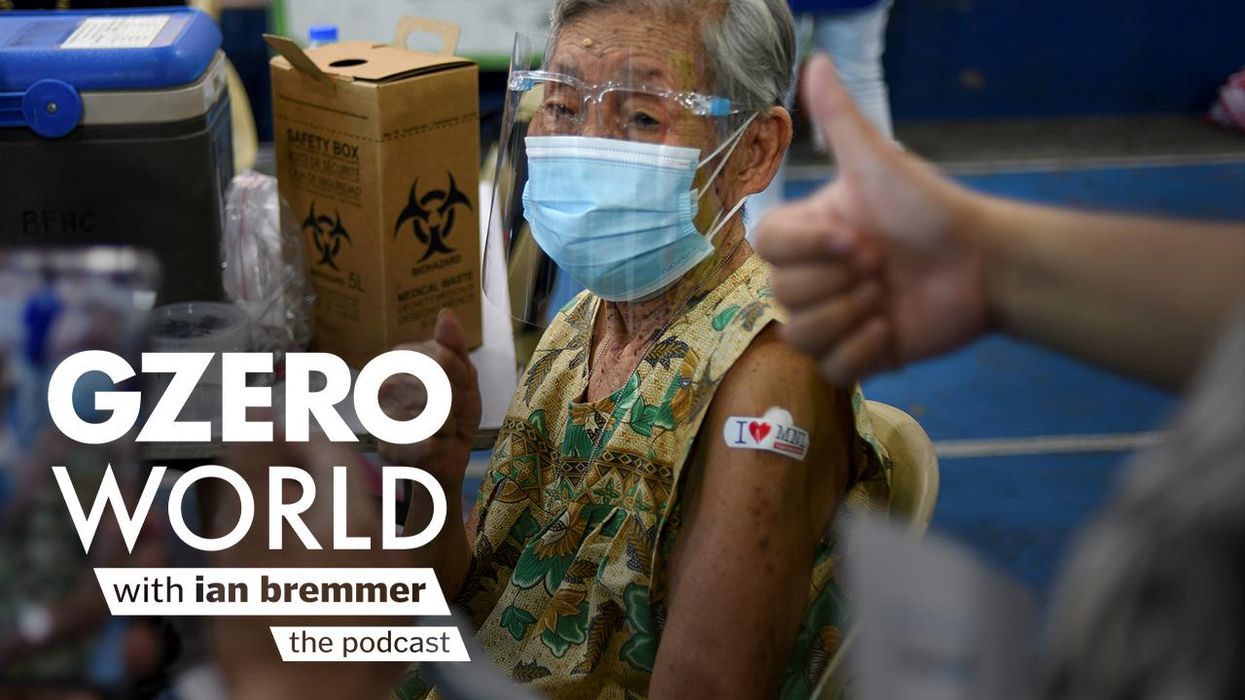
Listen: In his final interview as World Bank president, David Malpass sits down with Ian Bremmer on GZERO World to discuss all things debt. No, not your credit card or mortgage payments, but the sovereign debt that government's use to pay their bills.

World faces "lost decade" of economic growth, says World Bank economist
Crisis Recovery

World faces "lost decade" of economic growth, says World Bank economist

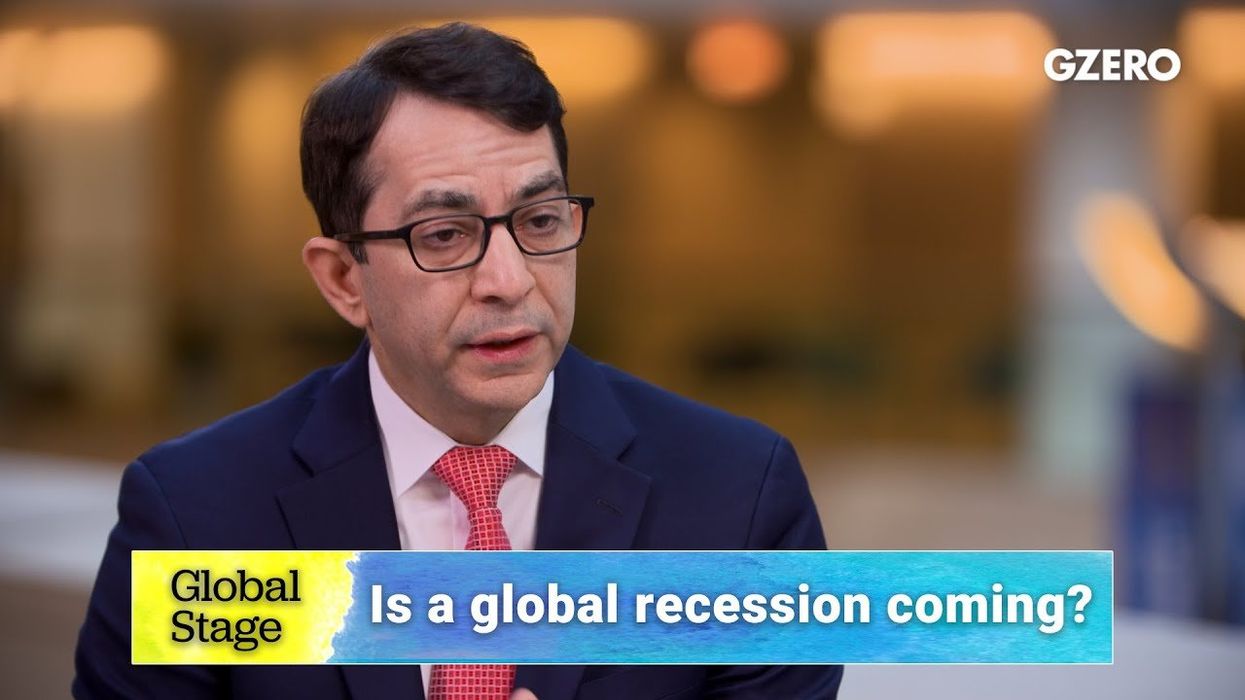
The World Bank predicts that the global economy now faces a decade of lost growth, in part due to an older workforce and lower productivity. Is the way out of the looming doldrums to have a young population like Nigeria? Yes, but those countries will need help from wealthy nations to invest in things like education to reap the benefits of their demographic dividend, World Bank deputy chief economist Ayhan Kose tells GZERO's Tony Maciulis at the World Bank/IMF spring meetings in Washington, DC.

Philanthropy's moment to act
GZERO World Clips

Philanthropy's moment to act

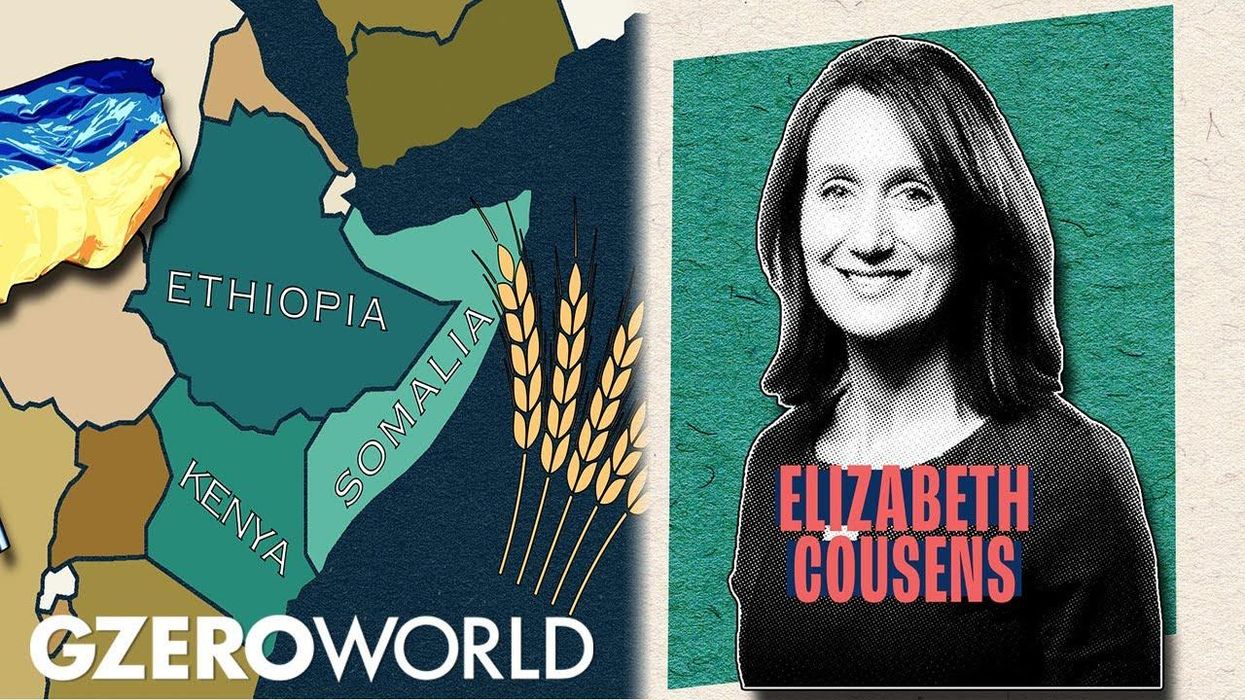
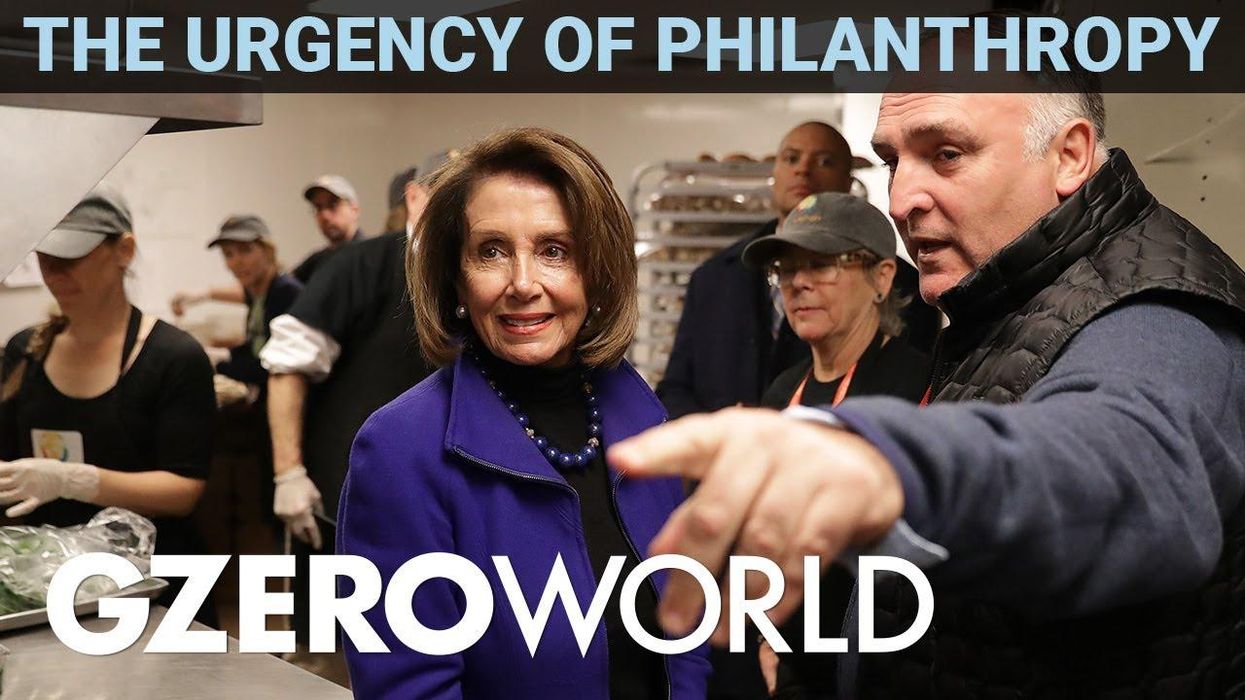
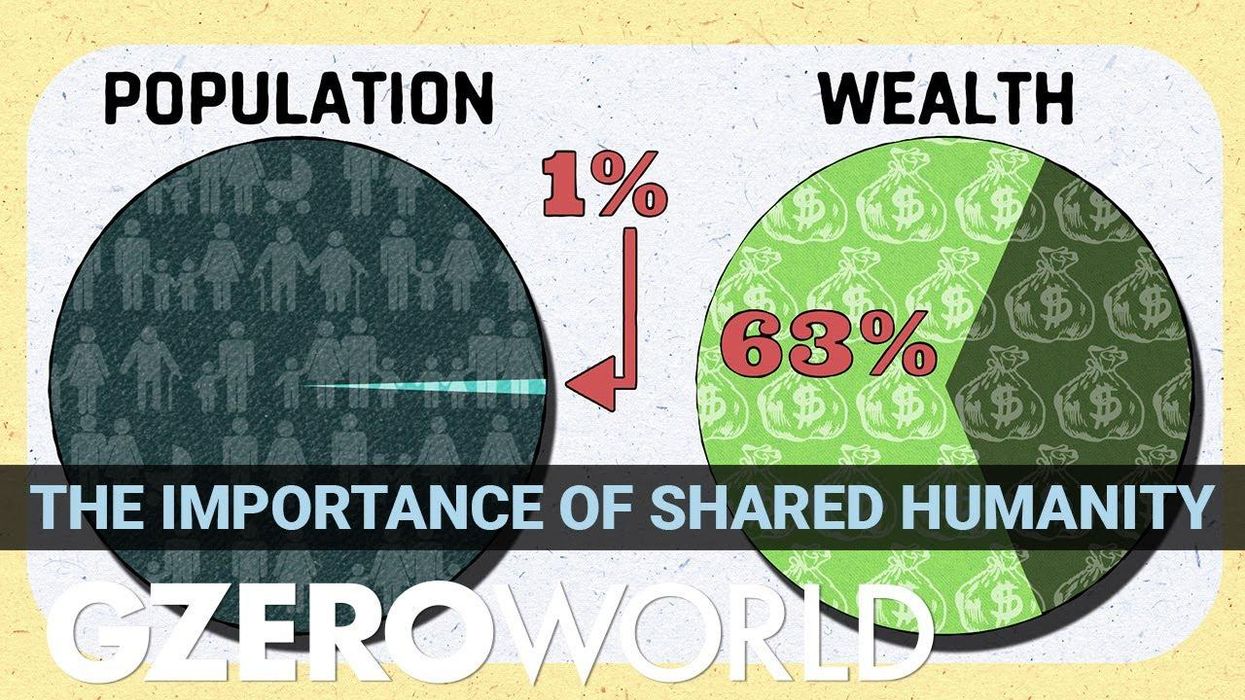
It's almost the first anniversary of Russia's war in Ukraine. On March 11, it'll be three years since the World Health Organization declared COVID-19 a pandemic. And 2022 was the sixth warmest year on record since 1880. We are still dealing with the fallout from all three events. But not equally. Since 2020, the richest 1% of people has accumulated nearly two-thirds of all the new wealth created in the world. On GZERO World, Ian Bremmer speaks to UN Foundation President and CEO Elizabeth Cousens, who thinks it's the perfect time for institutions backed by the 1 percent to step up even more.

Why philanthropic foundations need to spend money (and quickly)
GZERO World Clips

Why philanthropic foundations need to spend money (and quickly)

In today's world, where global development needs are high and seismic geopolitical events have turned back the clock on so much progress, UN Foundation President Elizabeth Cousens says its the perfect time for philanthropy to step up. Indeed, there's a lot more that can be done., Cousens tells Ian Bremmer on GZERO World.

"We're in this together" — UN Foundation chief
GZERO World Clips

"We're in this together" — UN Foundation chief

Global development has been going backwards since even before the pandemic, and there's no end in sight. Extreme poverty is now rising again, and fraught politics at every level is making it harder to fight inequality around the world. But it's not an irreversible trend, UN Foundation President Elizabeth Cousens tells Ian Bremmer on GZERO World.

Our unsustainably unequal world
GZERO World Clips

Our unsustainably unequal world

Since 2020, the richest 1% of people has accumulated nearly two-thirds of all the new wealth created in the world. Just 10% of the population owns three-quarters of global wealth — and account for nearly half of carbon emissions. What can we do to turn this around?

Will the Ukraine War succeed where COVID failed?
popular

Will the Ukraine War succeed where COVID failed?

Many of us thought the pandemic would shake up the "sclerosis" in deeply dysfunctional pre-COVID politics. It did not."We have to admit the pandemic wasn't a big enough crisis" to improve things like the US-China relationship or American political polarization, Eurasia Group & GZERO Media President Ian Bremmer said during a livestream discussion on equitable vaccine distribution hosted by GZERO Media in partnership with the Bill & Melinda Gates Foundation. Will the potential for war with nuclear-armed Russia be big enough to create further global cooperation? Yes, but two things also come to mind.

Mark Suzman’s big lesson learned from COVID
Video

Mark Suzman’s big lesson learned from COVID

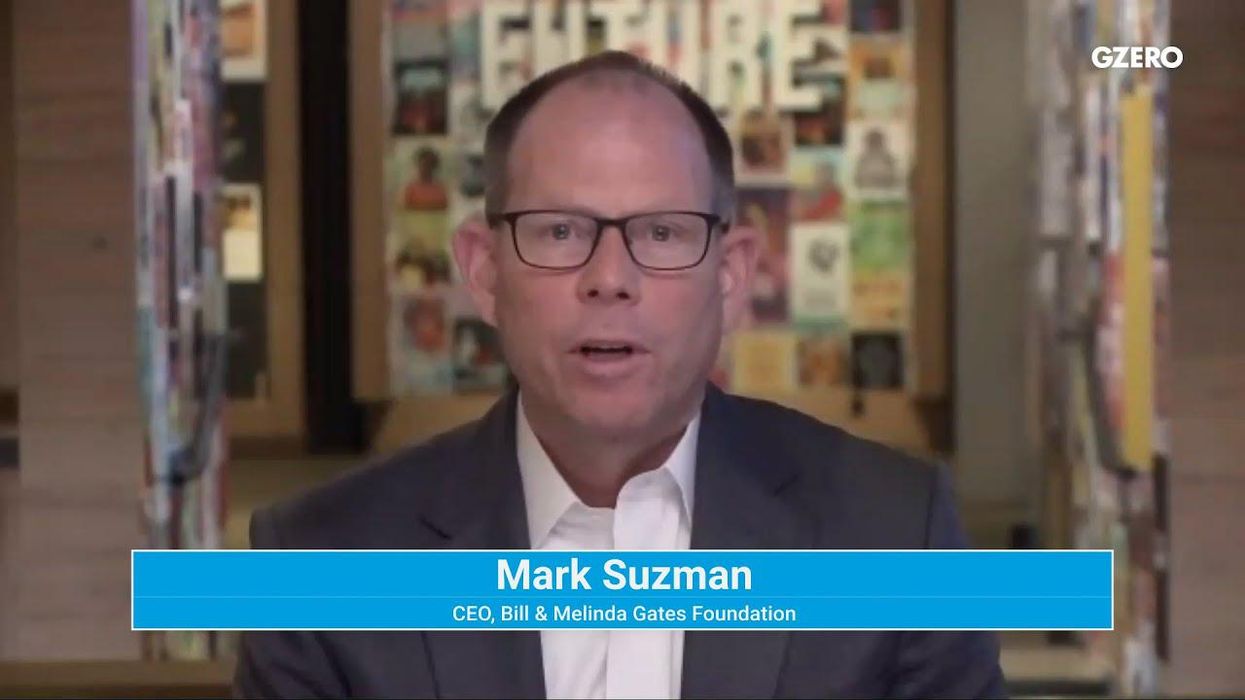
When now-CEO Mark Suzman joined the Bill & Melinda Gates Foundation in 2007, global health efforts were focused on the transition to fighting diseases like HIV, malaria, or TB under initiatives such as The Global Fund or PEPFAR.Fifteen years later, the main lesson he's learned from COVID is is that "we have and did in the end respond albeit late," Suzman said during a livestream discussion on equitable vaccine distribution hosted by GZERO Media in partnership with the Bill & Melinda Gates Foundation.What we've seen in the response, he explained, is "to some degree back in the glass half-full, half-empty response" with delays and setbacks caused by nationalism and inequitable vaccine distribution that caused many needless deaths. "