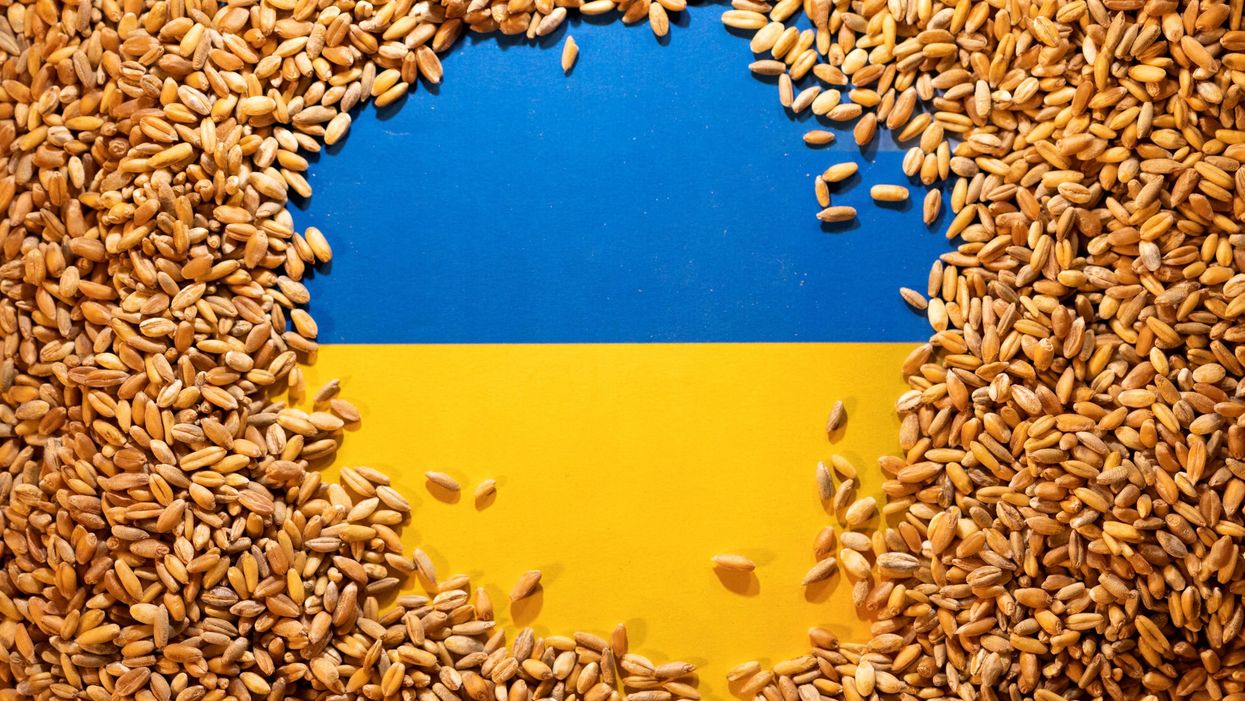
Russia and Ukraine are agricultural powerhouses. Between the two they account for almost a third of the world's wheat exports. But the war and sanctions against Moscow have crippled their ability to feed the world. The war has created a perfect storm that wil lead to a global food price and supply crisis, according to Ertharin Cousin, former head of the UN World Food Programme, who spoke with Ian Bremmer on GZERO World.
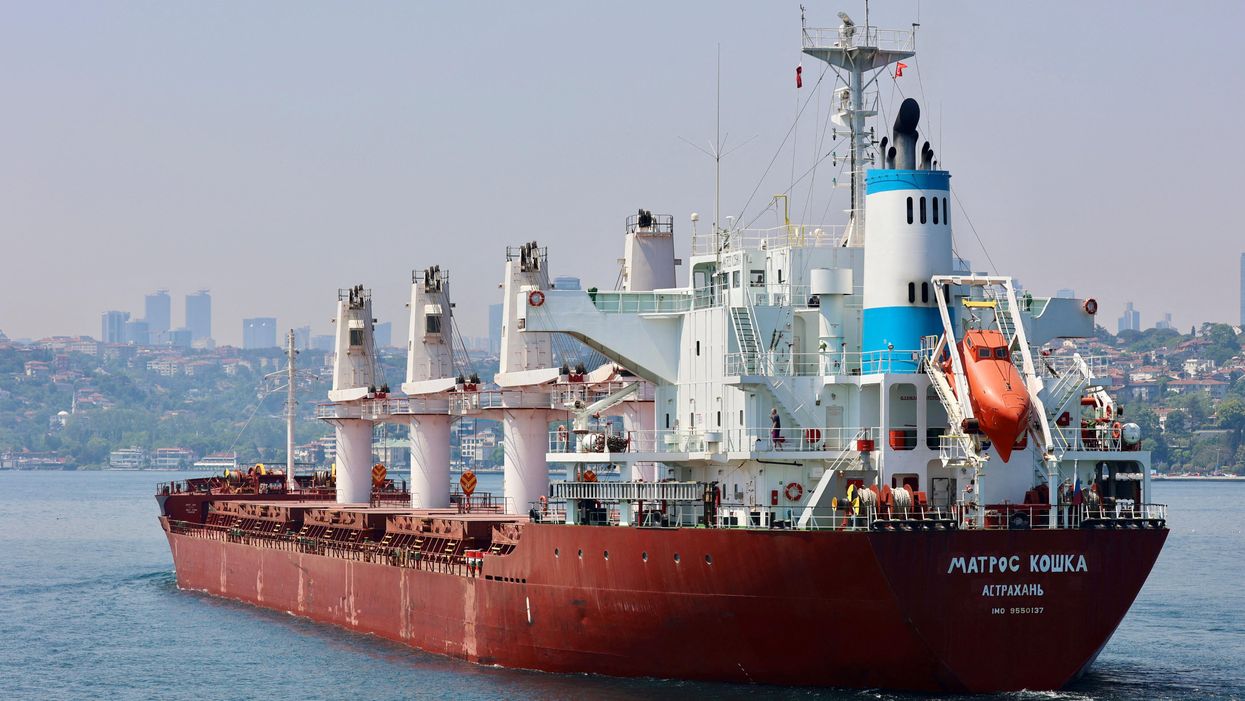
Ukraine is an agricultural powerhouse. But so is Russia. Between the two they account for almost a third of the world's wheat exports. The Russian invasion has disrupted planting and harvesting in Ukraine. Sanctions against Moscow, for their part, have restricted shipping — further limiting food supplies. Who's most at risk? Countries in the Middle East and North Africa that depend on these grain imports, like Egypt.
Russia and Ukraine are agricultural powerhouses. But the war and sanctions against Moscow have crippled their ability to feed the world.Who's most at risk? Developing countries that rely on those imports. What will the impact be? The disruptions could double the number of people that went hungry due to the pandemic. On GZERO World, Ian Bremmer speaks to Ertharin Cousin, who knows a thing or two about food security since she used the run the UN World Food Programme.
Listen: The Ukraine war and sanctions against Russia have created a perfect storm that will lead to a global food supply crisis, Ertharin Cousin, former head of the UN World Food Programme, tells Ian Bremmer on the GZERO World podcast. Russia and Ukraine account for almost a third of the world's wheat exports. All nations could be affected since these are global commodities, but developing countries that rely on those imports are most at risk. The disruptions could double the amount of people that went hungry during the pandemic, and since agriculture is a seasonal business, the worst may be yet to come.
Vladimir Putin’s decision to wage war has already brought destruction to the places and people of Ukraine, but it could also put millions of people at risk far from cities like Kyiv, Kharkov, and Mariupol. That’s because the war is making key food staples around the world more scarce and pricier, raising the prospect of food shortages and social unrest.
“Countries as far afield as Nigeria, Yemen, and Bangladesh are already feeling the effects of reduced grain exports,” says Peter Ceretti, a senior analyst with Eurasia Group. “But the knock-on effects could be much worse: soaring fertilizer prices, export bans, and a failed planting season in Ukraine could all mean that millions around the world go hungry.”