
Progress on infrastructure bill despite Senate vote against it
July 23, 2021
Get insights on the latest news in US politics from Jon Lieber, head of Eurasia Group's coverage of political and policy developments in Washington
Presented by
Get insights on the latest news in US politics from Jon Lieber, head of Eurasia Group's coverage of political and policy developments in Washington:
House Speaker Nancy Pelosi barred two Republican members from serving on the Jan. 6 commission. What's going on?
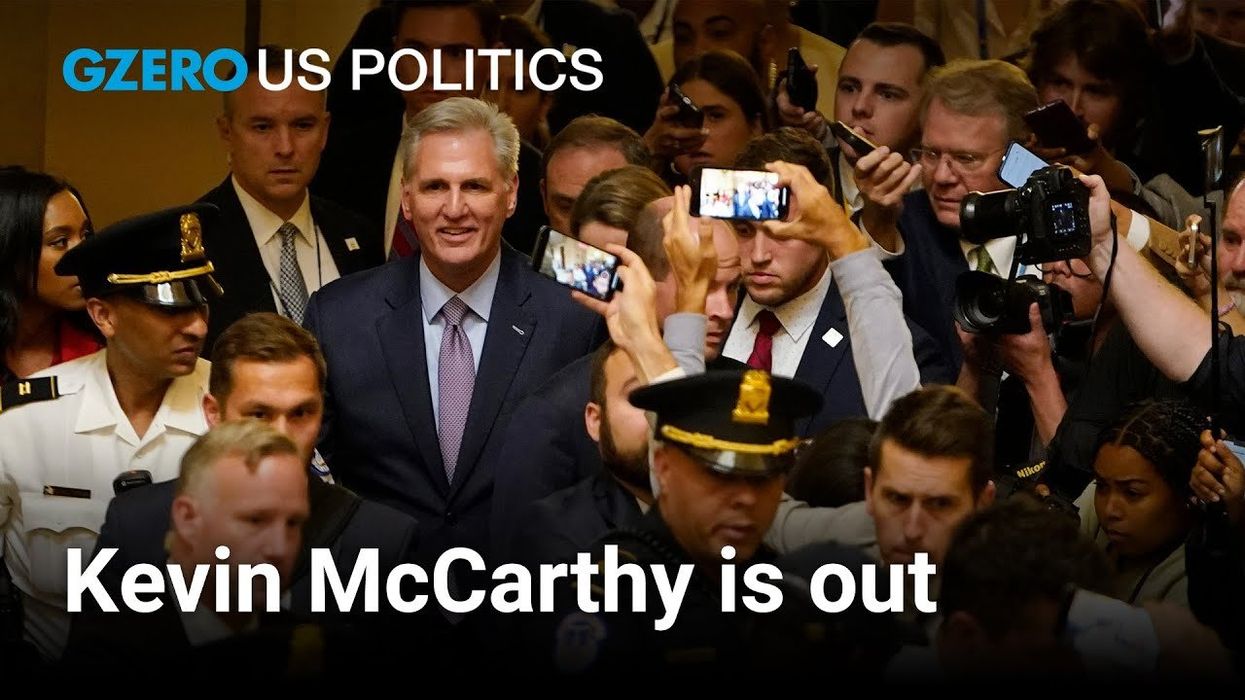
Well, the Jan. 6 commission was designed to be a bipartisan commission, taking input from members from Democrats and Republicans. House Minority Leader Kevin McCarthy had the opportunity to make recommendations but the Speaker of the House, Nancy Pelosi, could always veto those recommendations. In this case, she did, saying no to two members, Jim Banks and Jim Jordan, both of whom are strongly aligned with President Trump and who voted against certifying the election results in 2020. The Republicans for the most part see the Jan. 6 commission as an opportunity to score political points against them, and the Democrats say this is going to be a fair, non-biased, and nonpartisan investigation into what happened on Jan. 6, starting with a hearing next week with some of the police officers who were involved in the battle with the protesters inside the Capitol.
Both sides are probably correct on this. So the Democrats can use this as an opportunity to keep the Jan. 6 in the media and to keep Republicans connected to the riot at the Capitol. The Republicans, in turn, are going to use this to try to expand the scope and talk about all kinds of things that are really beyond strictly focusing on Jan. 6. So, it seems unlikely there's going to be a lot of real value that comes out of this commission, but you do have members like Liz Cheney who will be participating, who say they want to get to the bottom of what happened beyond President Trump's involvement.
Progress on a bipartisan infrastructure bill, is that really possible?
So this week, the Senate actually voted down, moving to proceed to a bipartisan infrastructure bill. And strangely, that may be the first sign that the bipartisan infrastructure bill could actually happen. Republicans voted against moving to the bill, opening debate on it, because they didn't have the text yet and they say it wasn't ready. The vote lost; it didn't get the 60 votes needed to proceed. But the 22 members, Republicans and Democrats, who are working on a bipartisan compromise, since the vote happened, have said they've made significant progress and are planning to try again early next week.
They need to try to cut a deal over the weekend and produce legislative text, and in the legislative text is where you're going to find a lot of things that could potentially trip up this bill. Because no other members have seen what's in this yet, there could be policy riders that people don't like, and the scores that come out of the Congressional scorekeepers telling everybody how much money to spend and how much revenue it raises may not add up. So there's still a lot that can go wrong between now and next week, but strangely, this negative vote was the first step towards actually getting something done this year on infrastructure.















































































Keep up with what’s going on around the world - and why it matters.