The great Spalding Gray once wrote that he had fled his native New England for Manhattan because he wanted to live on an "island off the coast of America," where human nature was king, and everyone exuded character and had big attitude." I've now lived in New York City for 35 years, and I know what he meant. Manhattanites are Americans, without doubt, but they're suspicious of patriotic displays, and they like to keep the rest of their country at arm's length.
But 9/11 was different. All of us in the city on September 11, 2001, remember that day's clear blue sky, the time it took to understand and absorb the shock of what was happening at the World Trade Center that morning, and then the horror unfolding around us. But the response of ordinary New Yorkers was unlike anything seen in this city since the end of World War II.
Within hours of the twin towers' collapse, lower Manhattan was closed to all but first responders, city officials, and reporters. The compulsion of many New Yorkers to do something, anything, that might help someone drove thousands down the island's West Side Highway on foot to come as close to the wreckage as we were allowed, to pass bottles of water to anyone who needed one – and to cheer for the exhausted and traumatized police and firefighters passing in both directions through the barricades in cars and trucks.
New Yorkers of every description saluted, shouted their gratitude, and blew kisses to police. That's not something you see every day. That's not something you ever see. I saw it, and I won't forget it.
A few weeks later, I was in the back of a taxi heading home from a friend's place downtown, a 6.7-mile ride that covered 105 city blocks. I lost count of the American flags I saw in apartment and shop windows across our "island off the coast of America."
That surge of patriotic pride and good feeling swept the nation. In the weeks after the attacks, President George W. Bush enjoyed a 90-percent approval rating, the highest ever recorded by Gallup. Even those who would never vote for Bush supported him in that moment of trauma. It was a rare moment of American unity.
It didn't last. The War on Terror that followed continues to divide America, as we saw again last month during the chaotic exit from Afghanistan. But there was a moment after 9/11 when it felt like all Americans were living in the same country. Even us arrogant New Yorkers.
A lot has changed in 20 years. American politics, always rancorous, has grown dark and increasingly bitter.
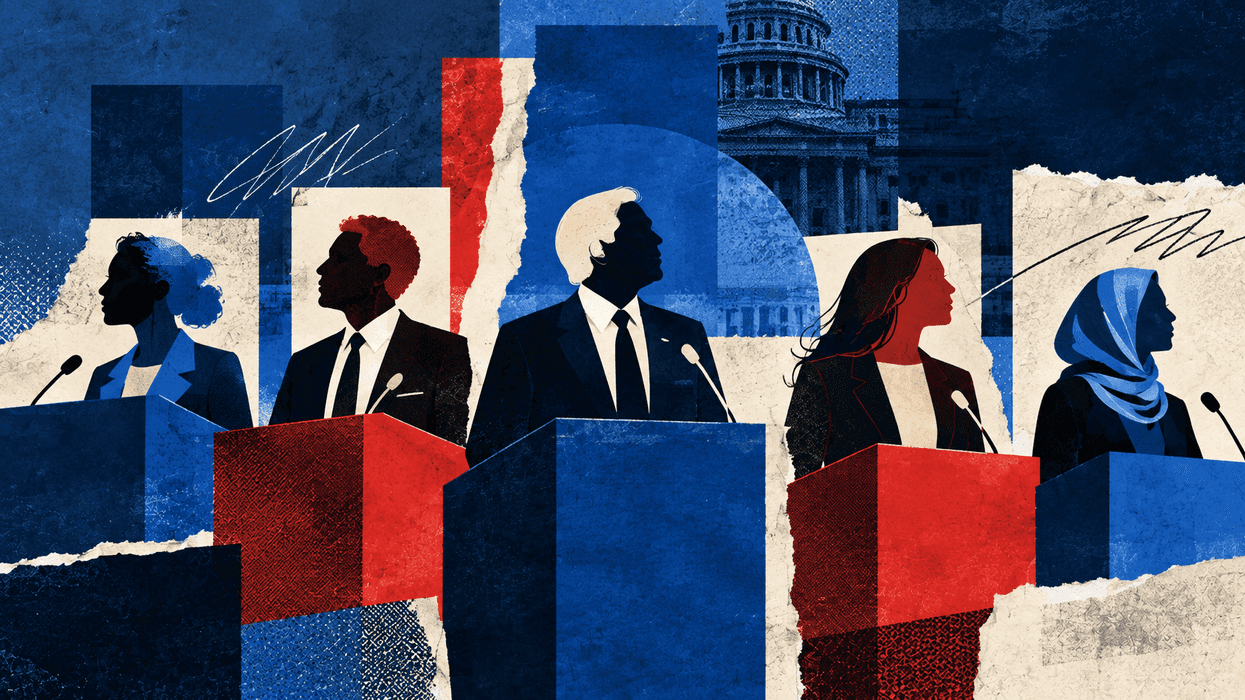
On Saturday, as we mark the 20-year anniversary of that shocking, humbling day, we should consider this question: How would Americans respond if the nation were attacked again tomorrow? Would we, could we, unify, even for a few weeks? Or would the culture-war-driven political dysfunction that has dominated American politics in recent years divide our national response?
If so, Americans have lost much more than we realize.