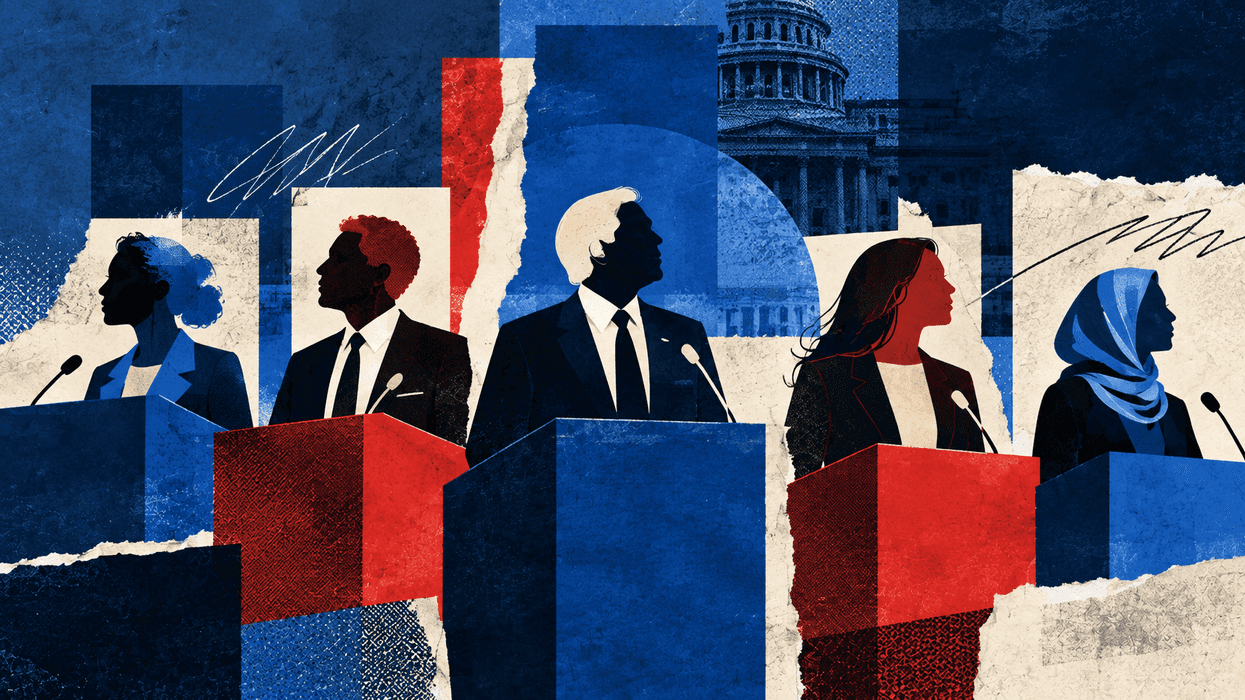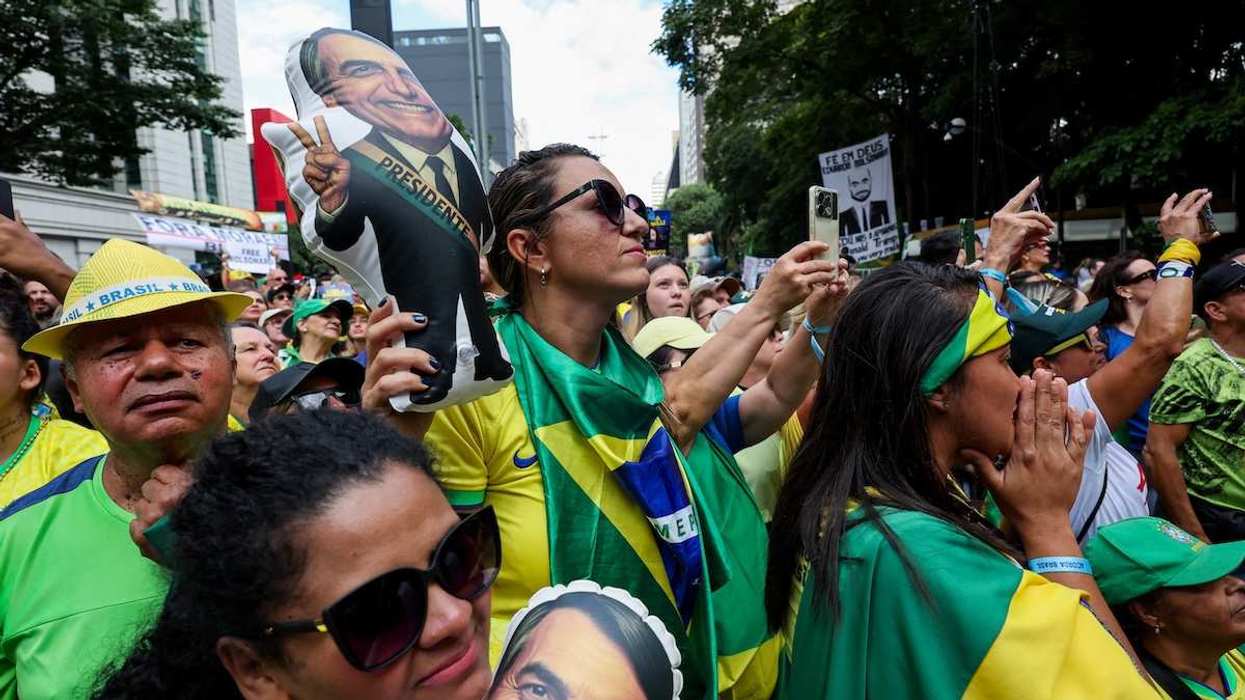
Africa is one of the youngest regions on earth, with a median age of just 19.7 in 2020 – more than ten years less than any other continent. Yet several of its most powerful leaders are in their 70s and 80s – and they’re refusing to cede power, despite growing opposition to their rule.
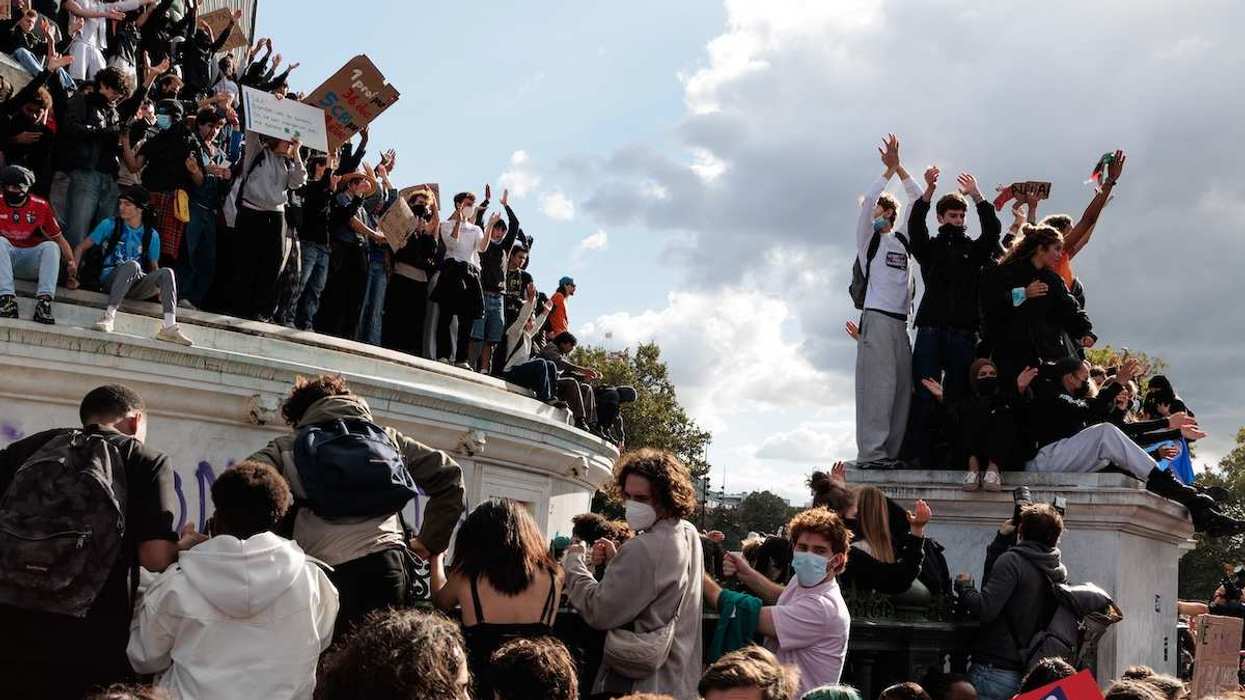
In recent days, thousands have protested in Ivory Coast, after the country’s electoral commission barred opposition leaders from October’s election, in which President Alassane Ouattara, 83, is seeking a fourth term. Challengers were also recently excluded in upcoming elections in Cameroon, paving the way for 92-year-old President Paul Biya to win an eighth seven-year term, and possibly rule until age 100.
The gerontocracy generation. A study of elections during the period 2018-2021 found that, out of 28 African countries that went to the polls, only one – Ethiopia – chose a president or prime minister who was under the age of 50. Nineteen of the 28 winners were over 60, and as of late 2024, eleven were over 70.
They include 82-year-old Teodoro Obiang Nguema Mbasogo of Equatorial Guinea, in power for 45 years, and Denis Sassou Nguesso of Congo, 79, who has led for 40 years. The second oldest, 83-year-old Nangolo Mbumba of Namibia, did relinquish power in late 2024, only to hand it to a 72-year old successor, Netumbo Nandi-Ndaitwah.
In May 2025, the West African nation of Togo made headlines after President Faure Gnassingbé, 59, rewrote the constitution to give himself a term-limit-free role as president of the country’s council of ministers, leaving the country’s actual president, Jean-Lucien Savi de Tove, as little more than a figurehead. Critics, and protesters in the streets, viewed this as a “constitutional coup” meant to indefinitely extend the Gnassingbé family’s 60-year grip on power.
And looking ahead, Nigerian President Bola Tinubu, 73, is already backed by his party for elections slated for 2027, while Liberian President Joseph Boakai, 80, is attempting to complete his reform agenda in a country still recovering from civil war.
What’s the political impact?
Critics say the age gap between voters and leaders is a recipe for unrest, repression, and revolution. They point to examples such as Zimbabwe’s Robert Mugabe, elected again in 2013 at the age of 89, who was deposed in a coup four years later. What’s more, when long-entrenched leaders approach the end of their reign, intense and sometimes violent succession battles often break out, frequently within presidential families. Simply put, governance can become brittle when leaders never leave.
All of this could complicate the region’s ability to grapple with a range of pressing issues, including militancy, jihadist violence, a wave of coups, and intensifying external competition and meddling.
And there is a further concern: the erosion or abuse of nominally democratic institutions is fueling disillusionment with the idea of democracy itself. Although polling across African countries still show a strong majority in favor of democracy and against one-man rule, that support has flagged in recent years, while acceptance of military rule has crept up. When citizens increasingly equate democracy with gerontocracy, those trends make sense.