France to give Norway nuclear protection
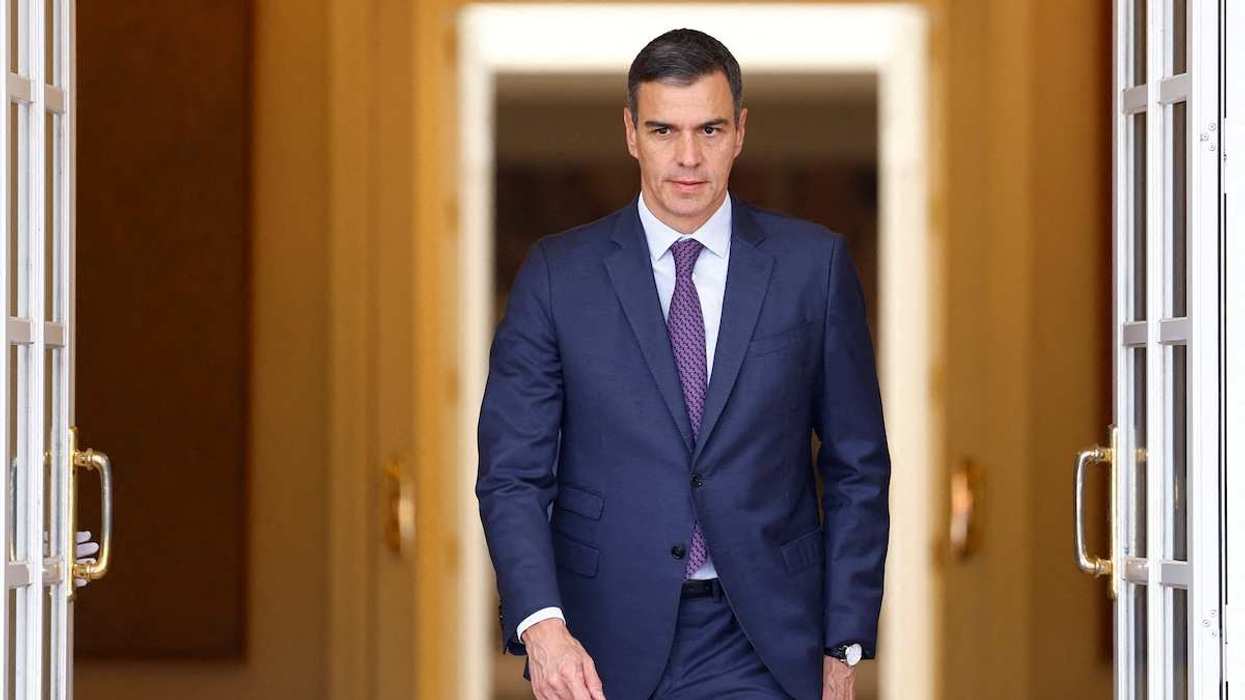
When the sun shines, we’ll shine together — but when it doesn’t, you’ll have the protection of France’s nuclear arsenal. That, to adapt the classic Rihanna record, was the message from French President Emmanuel Macron to Norwegian Prime Minister Jonas Gahr Støre at a bilateral meeting in Paris on Wednesday. Norway, like the rest of Western Europe, has relied on the US nuclear deterrent for decades. But as the Trump administration sows deepening doubts about the US commitment to NATO, the continent is slowly but surely rethinking its security posture, especially in light of potential threats from Moscow. Poland and Lithuania, which border Russia directly, became the first countries to explicitly join France’s nuclear umbrella after Macron snapped it open to fellow European nations this spring. Paris controls the world’s fourth-largest nuclear arsenal after the US, Russia, and China. That’s some umbrella -ella -ella, eh?
Brazil set to give workers a break with 40-hour work week
Sleep in this Saturday, Brazil: the lower house of the country’s parliament on Wednesday approved a constitutional amendment that would cap the official workweek at 40 hours across five days, replacing the long‑standing system of five eight‑hour days plus an extra four‑hour shift on weekends. The amendment, which will affect over 37 million Brazilians who work on weekends, still needs to pass through the Senate before it’s officially implemented, but it’s likely to give President Luiz Inácio Lula da Silva a political boost ahead of his re-election bid in October. Across Latin America recently, workweek reforms have become a political flashpoint. Chile and Mexico have passed legislation reducing the workweek to 40 hours, whereas Argentina in February passed a bill allowing employers to mandate a longer, 12-hour workday.
Japan rolls out the red carpet for the Philippines, with China in mind
Prime Minister Sanae Takaichi welcomed President Ferdinand “Bongbong” Marcos Jr. to Tokyo on Thursday with a clear goal: to encourage Manila to move further away from Beijing. The Southeast Asian country has a complicated relationship with China. It is Manila’s largest trading partner, but a series of maritime skirmishes in the South China Sea over the nine-dash line (a controversial demarcation used by Beijing to assert its territorial claims in these waters) has dented relations. Takaichi, a vocal critic of China, may sense an opportunity: she discussed arms exports with Marcos, and wants to make the Philippines the first customer of Japanese arms since her government ended a long-held ban on lethal weapons exports. Marcos, a China skeptic, may be happy to oblige.