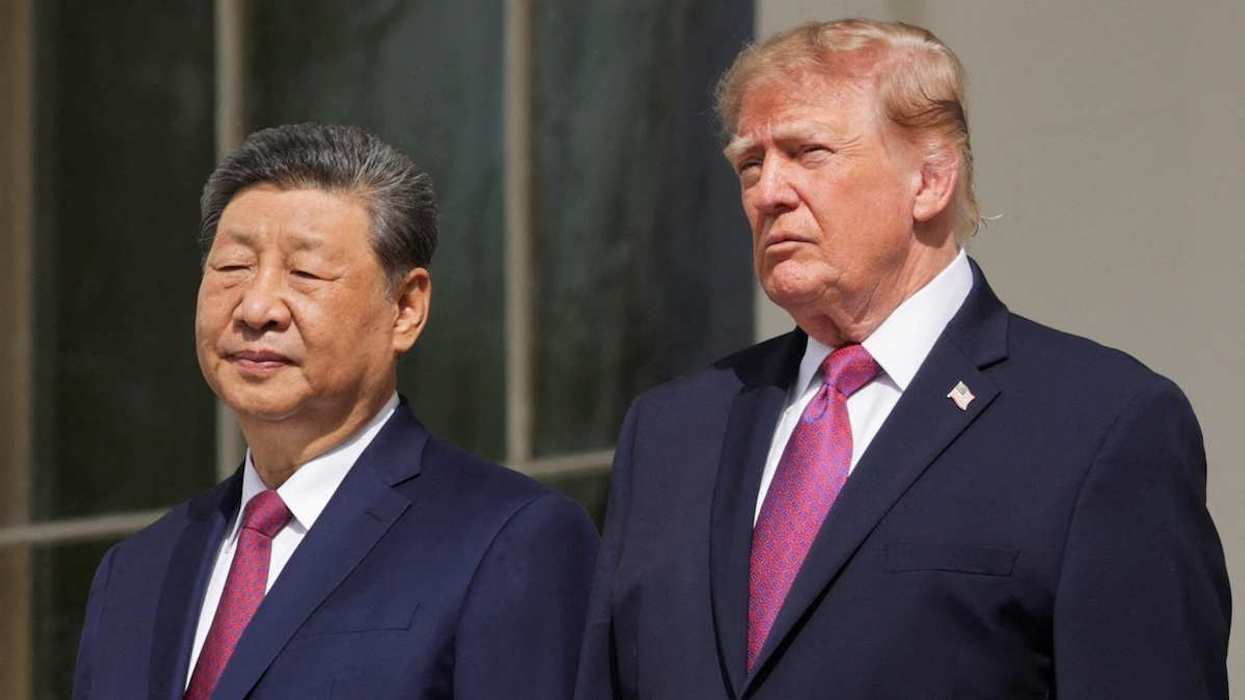
In negotiations, the most desperate party rarely gets the best terms. As Donald Trump and Vladimir Putin meet in Alaska today to discuss ending the Ukraine War, their diverging timelines may shape what deals emerge – if any. Trump needs a deal fast, Ukraine needs one that lasts, and Russia can afford to wait.
Trump wants a quick foreign policy win to fulfill his overdue campaign promise of ending the war "within 24 hours." With his base growing tired of funding Ukraine and cabinet members like Vice President JD Vance pushing for foreign policy to pivot toward China,Trump may prioritize announcing any deal over negotiating a good one.
US Leverage: Trump wields two powerful tools to force a deal. Against Russia, he could impose secondary sanctions on China's purchases of Russian energy — potentially dealing a devastating blow to Moscow's oil-dependent economy. Against Ukraine, he holds the extreme option of suspending intelligence sharing. While European allies could provide weapons in America's absence, they lack the intel that powers Ukraine’s precision drone strikes.
"Trump may be keen to chase speed over substance," warns Eurasia Group analyst Dani Podgoretskaya, who fears this could produce "a terrible, terrible deal" for Ukraine. However, she says that in meetings this week with EU leaders Trump “supported several Ukrainian demands, including for security guarantees and, most importantly, involving Ukraine in future meetings,” making the scenario of Trump inking a unilateral deal with Putin unlikely.
Meanwhile, Ukraine wants a ceasefire, but only if it lasts. Ukraine’s red lines remain firm: no foreign policy subordination to Russia, no permanent NATO exclusion, and no territorial concessions without "ironclad" security guarantees from the west. While Kyiv is running short on manpower and would potentially even accept a ceasefire that freezes current front lines, analysts say it won't make territorial concessions without meaningful security guarantees — fearing Russia will simply rebuild and invade again.
"The overarching goal for Ukraine is to survive an unprovoked attack on its statehood and prevent Russia from ever coming back," explains Podgoretskaya.
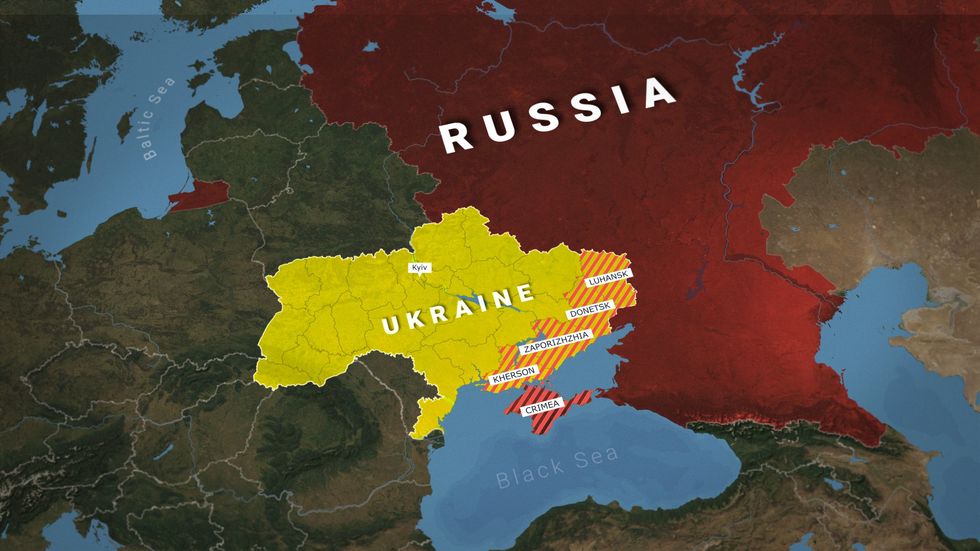 Current map of war in Ukraine
Ukraine's Leverage: Ukraine's greatest strength lies in its ability to refuse. No peace agreement works without Ukrainian consent — Kyiv will simply keep fighting.
If Trump traded territory without Ukrainians at the table and Zelensky capitulated, it would trigger political collapse and potentially spark military rebellion in Ukraine."It would be impossible for [Zelensky] to sell that back home," says Eurasia Group expert Tinatin Japaridze. "Territorial concessions remain a top-of-mind risk for all Ukrainians, and to this end, Kyiv’s capitulation is highly unlikely, though of course Putin will continue to push for this."
Ukraine also retains European backing and could sustain operations for perhaps up to a year without American support. However, a critical vulnerability lurks in Ukraine's defense infrastructure: "A lot of the components they're using for drones come from China," Podgoretskaya warns. "That is potentially a bottleneck, a very dangerous one."
Finally, Russia enters Alaska aiming to buy time and avoid new US sanctions while maintaining maximalist demands: annexation of five Ukrainian regions, permanent NATO exclusion for Ukraine, and strict limits on Ukrainian military forces. Putin may offer Trump small concessions — such as a temporary halt to aerial bombardments — while highlighting potential future US-Russia business opportunities, keeping the door open for future talks without committing to a full ceasefire.
Russia's Leverage: Despite economic damage from sanctions, "Russia can keep going at the expense of long-term growth,” says Podgoretskaya, “They can make sacrifices to keep the war alive until they get what they want." Moscow maintains battlefield superiority in Donbas after 17 months of grinding down Ukrainian defenses, and experts predict these gains will accelerate if fighting continues – with Russia potentially controlling the whole region by the end of the year.
Putin also has domestic incentives to prolong the war. "The economy is now very dependent on military spending. When that is cut, the economy is going to suffer quite dramatically," Podgoretskaya explains. To justify the pain of the war, Putin needs a substantial military victory.
“The Russians are not going to Alaska to make a deal,” says Japaridze. “They’re there to win some time and show both domestically and abroad that Putin is playing the long game.”
The US, Ukraine, and Russia will all attempt to pursue their goals with their leverage. Like many of you, we’ll be watching this afternoon to see what happens next.