There’s another waterway to worry about
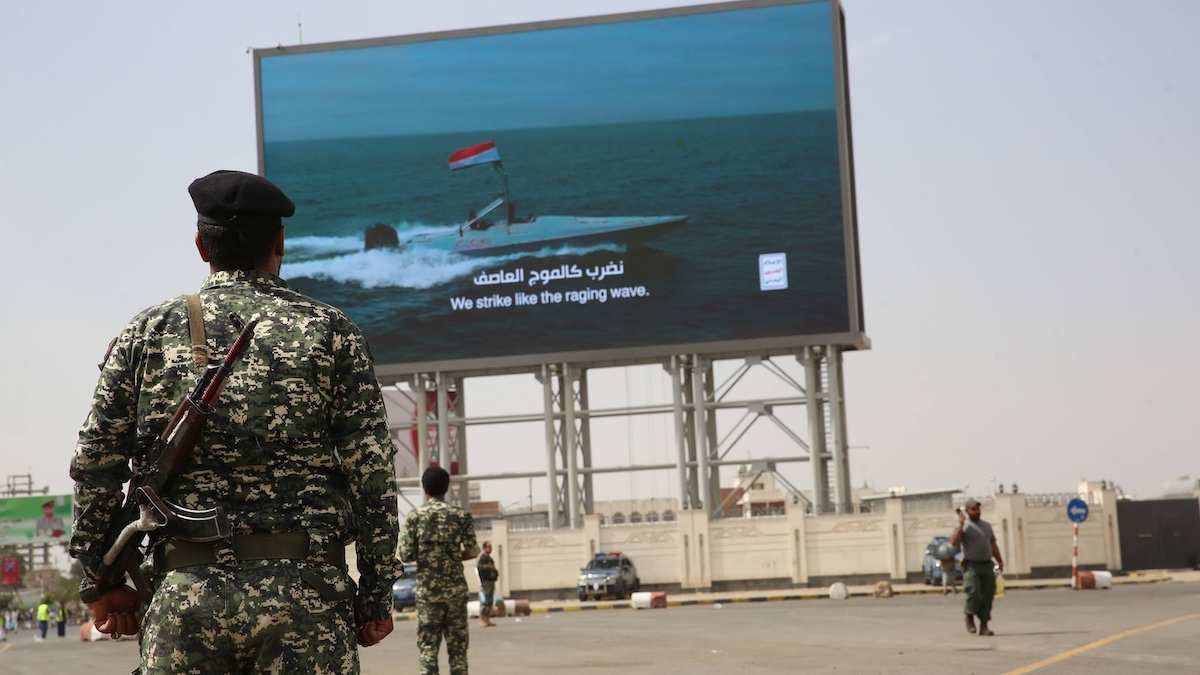
While the world’s attention for the last month and a half has been on the Strait of Hormuz, it may soon switch to another vital shipping lane in the Middle East: the Red Sea. Why? On Wednesday, Tehran threatened to halt shipping there if the United States continued its blockade of ships that stopped at Iranian ports before exiting via Hormuz. Iran doesn’t border the Red Sea, which is located to the east of the Gulf, but it does have a proxy group operating along its banks: the Houthis. The Yemeni militant group has attacked ships in the Red Sea before, repeatedly doing so during Israel’s war with Hamas. If it renewed these strikes and halted shipping, this would put another dent in crude supplies. Before the Israel-Hamas war, 12% of total seaborne oil passed through the Red Sea. The Saudis, who have relied on the waterway since Hormuz’s closure, would be especially upset.
Guyana lives off oil exports, so why is the country in crisis now?
On the one hand, these are heady days for tiny Guyana, the South American country that only started producing oil in 2019. Crude exports have helped boost GDP by a dizzying average of 47% per year recently. And with oil prices now soaring due to the Iran war, the country is minting additional billions. But there’s a catch — and it’s at the gas pump. While Guyana produces oil, it relies entirely on foreign refiners for imports of fuels like gasoline and diesel. Disruptions in the Strait of Hormuz, which handles a fifth of global oil and gas exports, have caused prices for those refined products to soar as well, driving up Guyana’s gas import bill by nearly 40% in recent months. This has forced emergency rationing or gas pump closures in the capital, Georgetown. It’s yet another example of the complex ripple effects of the Iran conflict, even on the other side of the globe.
Iran war stress tests the global economy
At the start of this year, the global economy was “resilient,” IMF chief Kristalina Georgieva told Ian Bremmer during a GZERO World interview in Davos. But as the Strait of Hormuz’s closure sends energy prices soaring, severely damaging global output, that’s about to be tested. Meeting in Washington, D.C., for its Spring Meetings, the IMF warned Tuesday that even if the conflict ended today – and Iran loosened its grip on the Strait – global growth would slow to 3.1% this year, down from 3.4% in 2025. In the worst-case scenario, the war’s economic fallout could trigger a global recession. The damage of the conflict has already been done, the IMF argues. The question now is just how severe that damage will be.