A physical border falls, a digital one rises
Some 118 years after it was installed, the border fence between Spain and the British overseas territory of Gibraltar fell on Tuesday, after the European Union and the United Kingdom clinched a long-awaited deal last year over how to manage the border in the wake of Brexit. But while one wall falls, another one rises. As part of the deal, those who cross the border are now subject to live facial recognition cameras, creating what amounts to a digital border. This system affects some 15,000 Spaniards who travel to and from Gibraltar for work each day. What’s more, those traveling to “the Rock” from outside the Schengen Zone (a border-free travel area of Europe) must hand over biometric data collected via photos and fingerprints. Much of the world, including the US, has also been expanding the use of this technology for those traveling both into and out of countries, prompting concerns over privacy.
Can the Gulf states avoid the Strait?
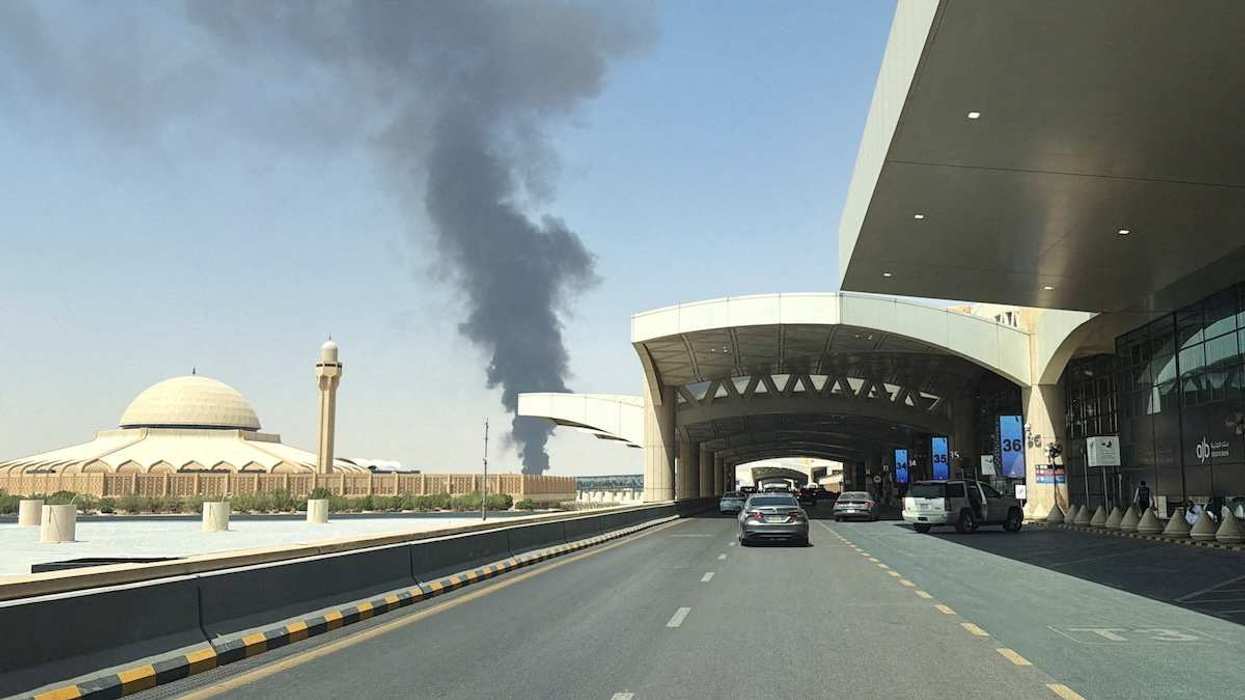
Iran and the US are exchanging strikes for the fifth day straight. The fighting is increasingly centered on the fate of the Strait of Hormuz, the key waterway that normally handles a fifth of the world’s oil supply. Neither Washington nor Tehran show signs of backing down, leading us to ask: if the two can’t reach a deal, what will become the new status quo in the region? Gulf nations are looking for alternative routes to export energy that bypass Hormuz. The United Arab Emirates is building a new port and terminal on the Gulf of Oman, Saudi Arabia is considering expanding its crude oil pipeline through the Red Sea, and Iraq is eyeing pipelines going through Jordan, Syria, and Turkey. For Kuwait, Bahrain, and Qatar – who are locked into the Persian Gulf – Hormuz remains their sole maritime path for exports, but for other Gulf nations, they may just reroute.
Sheinbaum files complaints in US courts after ICE killing
Mexico filed criminal complaints in US courts on Monday over the deaths of 17 Mexican nationals in ICE custody or operations since January 2025, including the killing of a man during a traffic stop in Houston last week. The complaints carry little legal weight on their own, but the move, led by Mexican President Claudia Sheinbaum, marks the latest escalation in tensions between the neighbors. After the US charged nine current and former Mexican officials with alleged ties to the Sinaloa cartel in April, Sheinbaum refused to extradite them. All the while, the US declined to renew the USMCA, which underpins almost a trillion dollars in trade between the two countries. Does Sheinbaum have the political capital to balance between standing up to Trump and preserving the relationship with the US that Mexico is economically reliant on?