Meet the Viceroy of Venezuela
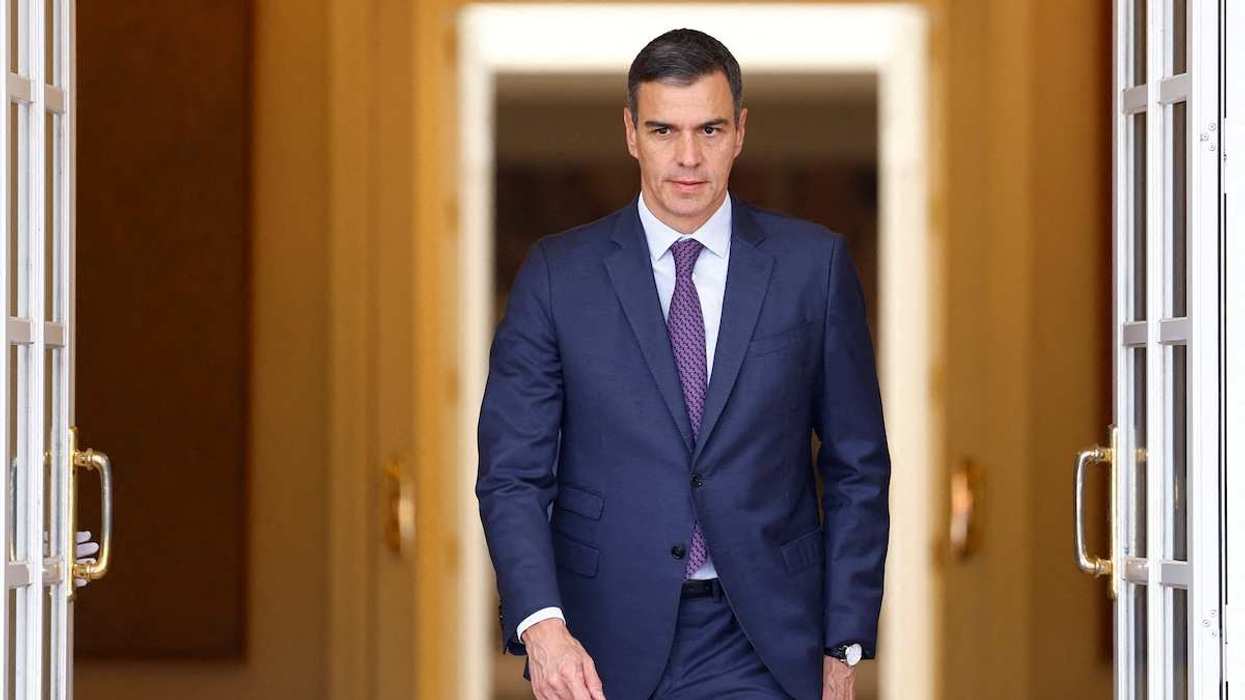
According to a detailed New York Times exposé, Venezuela is effectively run by US Secretary of State Marco Rubio, who controls the country’s finances, greenlights government appointments, and implements (or waives) sanctions. He even reviews the social media posts of president Delcy Rodríguez, whom the US installed after deposing Nicolás Maduro in January. But Rubio’s position as the new viceroy of Venezuela (the “Mountbatten of Miraflores,” if you like) is fraught. Rubio, the son of Cuban exiles, has long called for democracy in a country that he himself now effectively rules. Rubio has suggested that a democratic transition could come after a period of economic “stabilization” (in particular of the lucrative oil sector). Most Venezuelans, meanwhile, seem to want fresh elections now. The question of who leads Venezuela next may, ironically, affect who ends up leading the US next. Rubio is expected to run for president in 2028. His success or failure in Venezuela, where he is already gaining “executive experience,” will be a major story line in that race.
Millions of Sudanese reluctantly return to battered capital
It’s been a year since the Sudanese army regained control of Khartoum from the rebel Rapid Support Forces, and 2 of the 5 million residents who fled the city have since returned. Yet the conditions at home remain dire. The city still mostly lacks power, buildings remain in disrepair, and many workers are going unpaid. So why did they return? Many had fled to neighboring Egypt, but the authorities there initiated a crackdown against refugees at the start of last year. Egypt has housed refugees fleeing conflicts – including Palestinians from Gaza, and Syrians – but Sudanese are treated especially badly, with well-documented discrimination against refugees over the color of their skin (a long-running issue in Egypt itself). As Sudan’s civil war rolls through its fourth year, the tragedy that has befallen its people – both at home and abroad – shows no signs of ending.
Calling James Bond: Japan builds its own centralized intel agency
For the first time since World War II, Japan is building a domestic, centralized intelligence agency. Until 1945, the Kempeitai – the feared Japanese military and secret police – were the country’s primary intelligence gathering agency. Since then, their intel system has been fragmented and “frozen,” making it particularly vulnerable to espionage and foreign interference. One of the few world powers without an agency like this, Japan is looking to its allies in the United States, Germany, and Australia for advice on cyberdefense and information sharing. The move is part and parcel with Prime Minister Sanae Takaichi’s efforts to do away with the defense and security restrictions looming on Japan since the war. Other steps Takaichi has taken since entering office last year include a reversal of bans on weapons exports and a massive increase in defense spending – a response to perceived stacked threats from China, North Korea, and Russia.