Flamingo protests take flight in Albania
Over the past month, Albania has seen its largest street demonstrations since the fall of communism nearly four decades ago. The protests in the small Balkan country were touched off by the start of construction on a seaside luxury resort linked to US President Donald Trump’s son-in-law, Jared Kushner. The project would despoil a protected stretch of Adriatic coastline that is a favorite spot for flamingos and other birds. But protesters’ demands have since widened to include calls for the resignation of Prime Minister Edi Rama, investigations into corruption, and tighter restrictions on foreign investment. Rama claims the protests are being stoked by foreign anti-Trump activists, social media algorithms, and Iran. The so-called “Flamingo Revolution” has gained support from some EU lawmakers who see it as an assertion of national sovereignty and environmental protection. On Tuesday, things escalated, as clashes broke out between protesters and police.
Echoing other nations, India steps up deportations
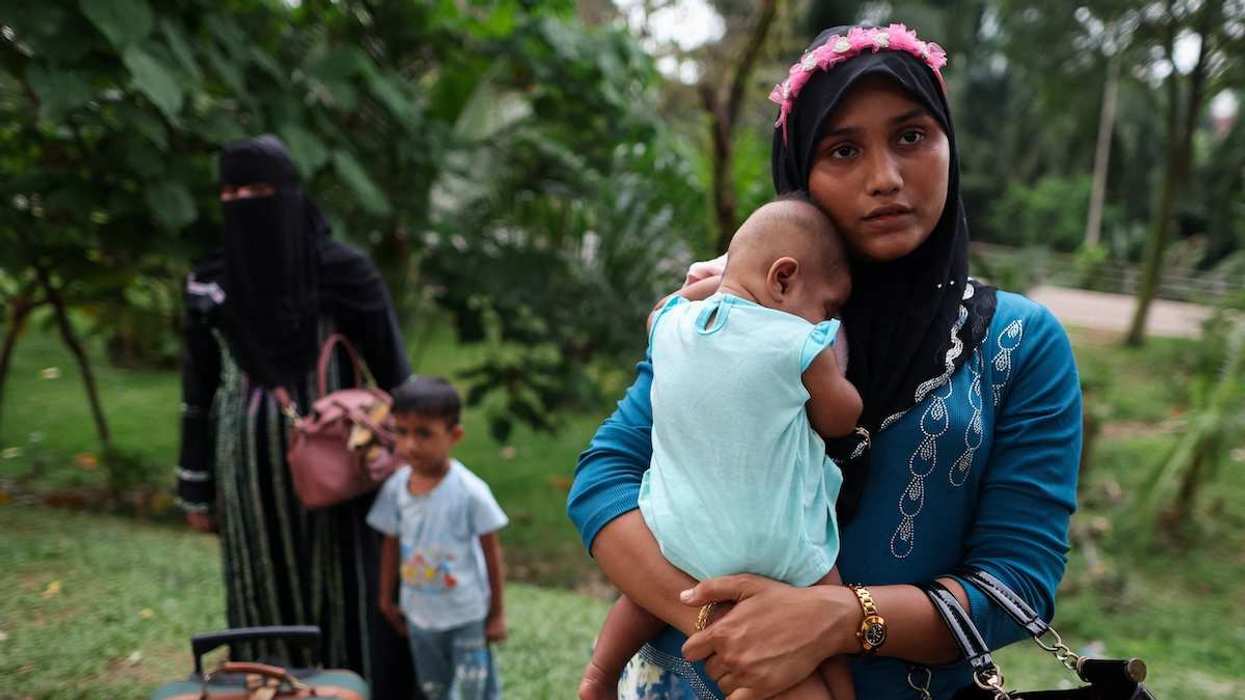
Turns out that it’s not just the United States, European countries, and South Africa that are ramping up deportation efforts. It’s India, too. The country has been expelling migrants – predominantly Muslims of Bengali heritage – across the 2,500-mile-long border with Bangladesh, sometimes in the middle of the night. The deportations, dubbed “push-ins,” have been going on for some time but have ramped up since Prime Minister Narendra Modi’s Bharatiya Janata Party won local elections in West Bengal, which borders Bangladesh, in May. The state’s new chief minister said in June that they had deported 10,000 illegal Bangladeshi migrants. The deportation push has exacerbated tensions between New Delhi and Dhaka, which have worsened since India provided safe haven for ousted Bangladeshi leader Sheikh Hasina.
Iran and Oman eye a side hustle in Hormuz
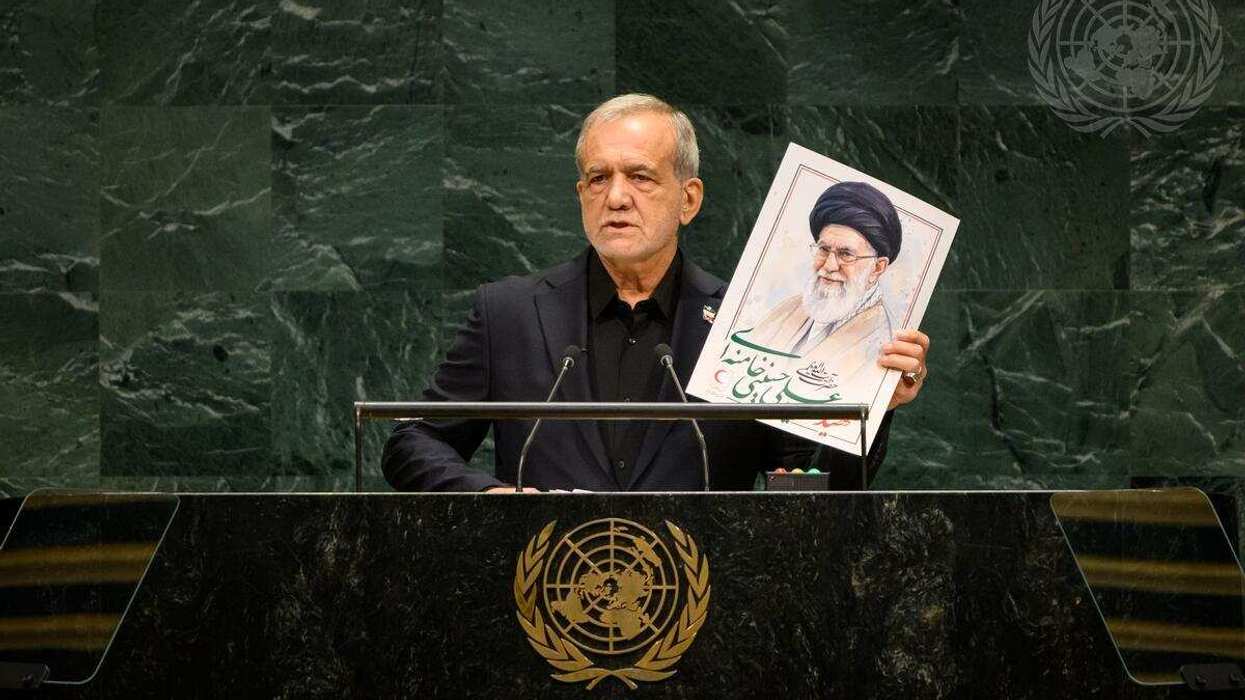
After much speculation, Iran and the US-allied Oman are reportedly planning to collect tolls from ships passing through the Strait of Hormuz. Before the war, the narrow waterway that handled one-fifth of the world’s oil was free to pass through, so if enacted, the fees could increase trade costs and represent a major source of leverage that Iran has gained from the conflict. The interim peace agreement signed by the US and Iran two weeks ago establishes free passage for vessels for 60 days, but left the door open for Tehran to monetize the route afterward. Oman, which had engaged in a precarious balancing act between Iran and the US during the war, proposed a service fee for shipping companies, modeled after the voluntary contribution in the Straits of Malacca and Singapore. The US, meanwhile, has stood firmly against any scenario that differs from the pre-war status quo.