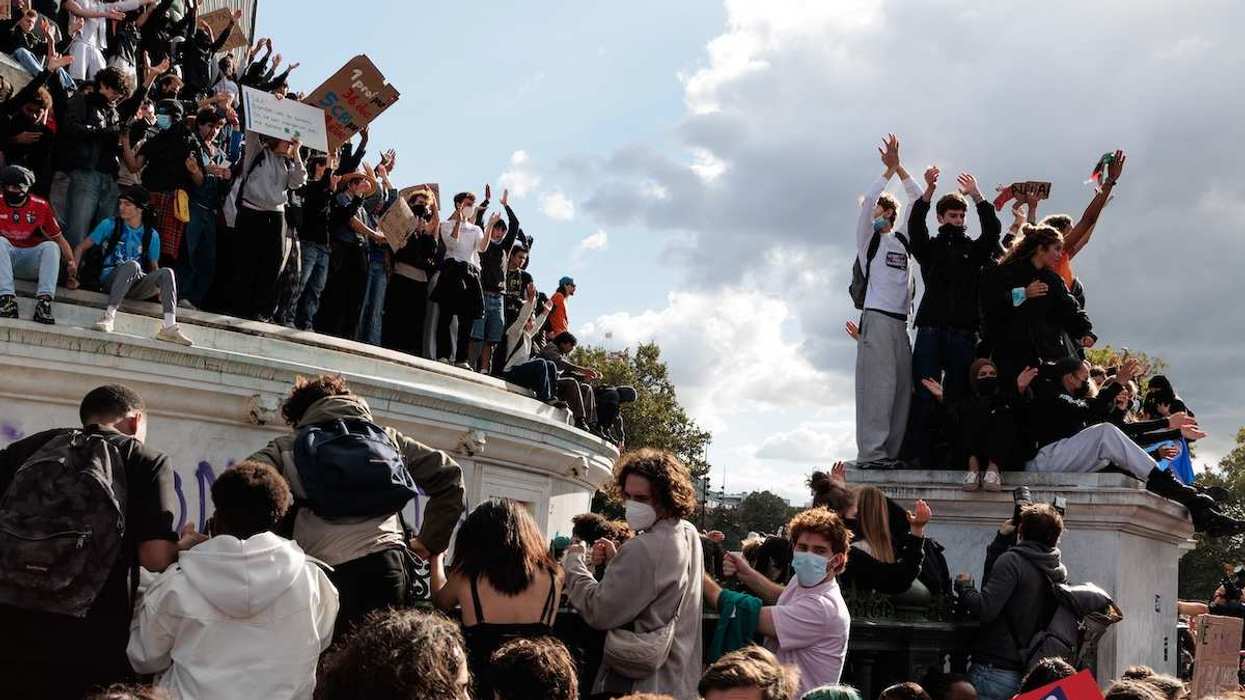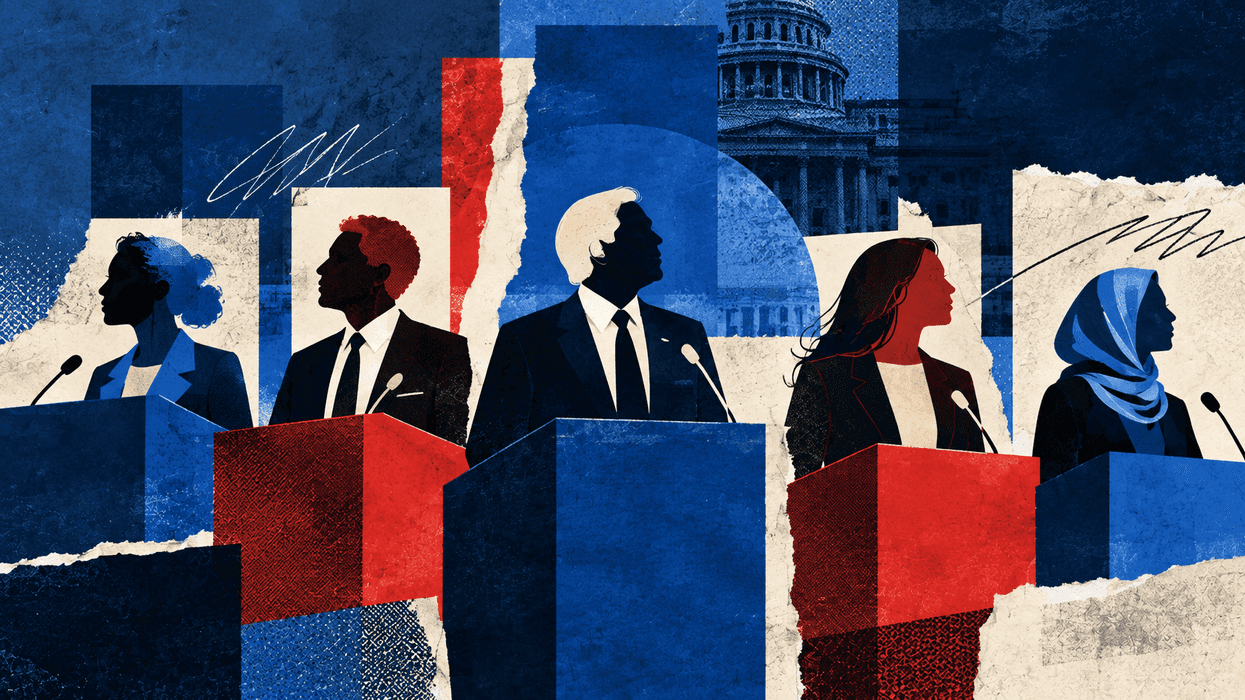
Young voters are splitting up, and gender is the wedge. In countries around the world, young women are moving steadily left while young men are shifting toward conservative and nationalist parties.
In last year’s German elections, men aged 18 to 24 voted 27% for the far-right AfD while 35% of young women opted for the far-left Linke party. In Canada, the most likely left-leaning voters are women aged 18 to 24 (45%), while men aged 18 to 34 are the most right-leaning (33%). From Washington to Seoul to São Paulo, the most consequential political divide among voters under 30 is increasingly not race, class or geography. It is gender.
The gap is not only reflected at the ballot box but in attitudes toward feminism, masculinity, and equality. A survey last year by Ipsos and the Global Institute for Women’s Leadership at King’s College London, which included nearly 24,000 respondents in 30 countries, found that Gen Z is more divided over gender roles than any previous generation. Among Gen Z men, 57% believe efforts to promote women’s equality have gone so far that men are now being discriminated against, compared with just 36% of Gen Z women.
What explains the split? Analysts and pollsters cite a host of factors, including economic insecurity, social media algorithms and influencers, and changing gender roles.
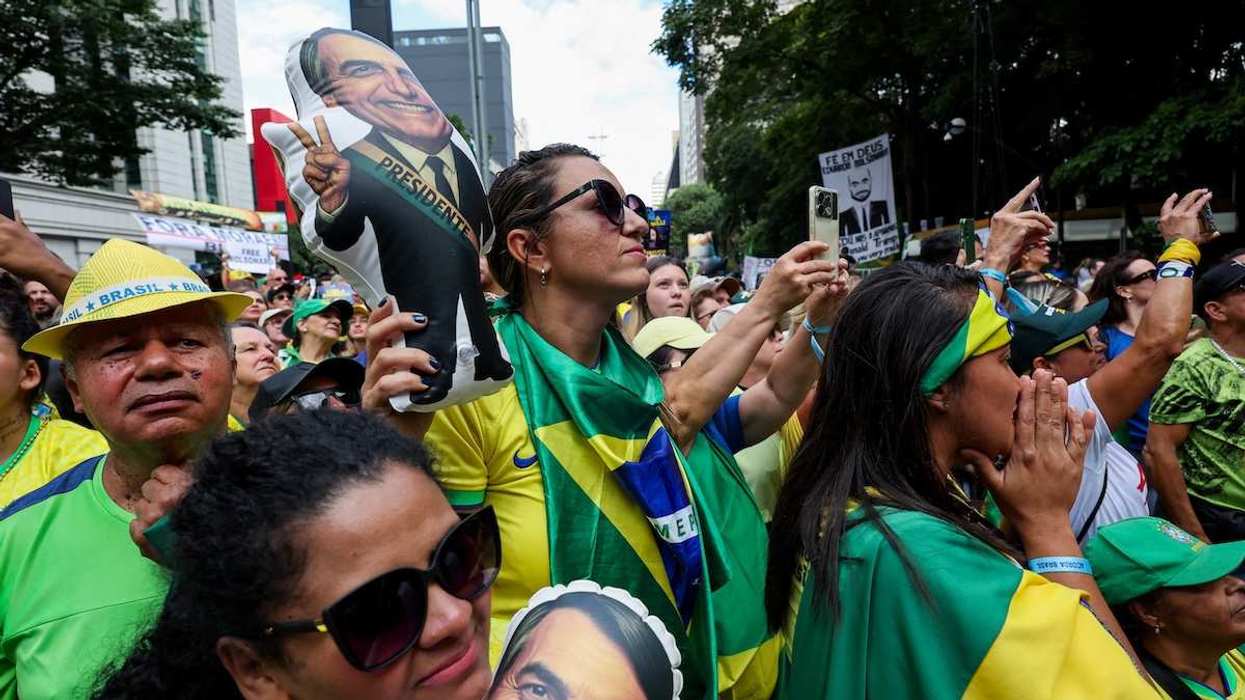
Brazil: when the left no longer offers change. The gender divide is on full display in Brazil in the lead-up to its October general elections. While young voters helped propel left-wing President Luiz Inácio Lula da Silva to office in 2022, today Brazilians aged 16 to 34 are the only age group in which disapproval of Lula’s government exceeds approval, driven largely by young men, who have become a key conservative constituency. While chief rival Flavio Bolsonaro trails Lula among women voters, 37% to 55%, in a hypothetical runoff, he leads among men, 49% to 42%.
Why are young men in Brazil tilting to the right? Unlike previous generations, the political left is no longer associated with change but with the establishment. University attendance has expanded dramatically, yet graduate earnings have failed to keep pace with expectations, and inflation-adjusted incomes remain below their 2014 levels. Conservative movements promise market reforms, appealing to young men who feel the left offers poor economic prospects.
But that gender divide could backfire on Flavio, who is trying to strike a more moderate tone than his father. Brazilian right-wing influencer Paulo Figueiredo set off a firestorm last month when he claimed on social media that “women vote really badly.” Figueiredo was criticizing Bolsonaro’s stepmother, Michelle, who had accused her stepson of sidelining her. Bolsonaro condemned the remarks, but the controversy was seen as damaging to his electoral chances with women.
South Korea: fierce competition and frustration. A similar gender divide has emerged in South Korea. Ahead of last year’s presidential election, Gallup polling showed almost 30% of men aged 18 to 29 intended to vote for the right-leaning Reform Party, compared with just 3% of young women. More broadly, over half of young men backed conservative parties, while nearly half of young women supported the opposing liberal and center-left opposition. Seventy-six percent of South Koreans say there is tension between men and women, the highest among the 30 countries surveyed on this question.
The divide shows up at the ballot box, but much of its roots are economic. Since the COVID-19 pandemic, Gen Z men there have seen their earnings erode while housing prices have soared and competition for jobs has intensified. Mandatory military service in South Korea applies only to men, a burden that nearly 70% of men in their 20s believe should be avoided and worry it gives them a late start in a competitive job market.
Surveys show many young men believe women now have an advantage in the labor market, deepening their sense of frustration. The shift was visible in Seoul’s 2021 elections, where more than 72% of men in their 20s voted for the right-wing candidate, who promised to restore opportunities for young people.
United States: the Trump effect. The United States has had a gender gap in politics for decades, but the 2024 presidential election exposed a starker-than-ever divide among the young. According to data analytics firm Catalist, Democratic nominee Kamala Harris won 63% of women aged 18 to 29 but only 46% of men in the same age group – a 17-point gender gap, the largest recorded among any age cohort across four presidential elections. Over half of young men, meanwhile, voted for Donald Trump. The last time the majority of young male voters backed a Republican for president was in 1988, when they voted for George H. W. Bush.
The result is what some researchers describe as a “reverse gender gap,” with young women markedly more liberal than they were a generation ago, and young men becoming disaffected from topics that are now considered mainstream. Increasing numbers of young men say that progressive discussions around race, privilege, and gender leave little space for their own challenges and concerns.
Online, more extreme conservative influencers like the far-right Nazi sympathizer Nick Fuentes, whose core audience is young men, amplify those grievances and, in some cases, argue women should be stripped of their rights. Fuentes is one character in a sprawling online “manosphere,” but the broader ecosystem taps into a more widespread sentiment. Research consistently finds that Gen Z men feel they are losing status.
A young fault line. While economic pressures and job uncertainty affect both sexes, young men and women support different solutions for their problems, and focus on different issues in the political sphere. The divide is only exacerbated by their different online worlds, media consumption, and lived experiences. When it comes to young voters around the world, it appears to be boys to the right, girls to the left.