Leaders of the G7 are meeting this week in Évian-les-Bains, France, for their 52nd official summit. When the forum was created in 1975, amid the collapse of the Bretton Woods monetary system and oil shocks of the 1970s, it brought together the world’s industrial democracies to manage global crises. Over the following decades, it helped coordinate responses to challenges like the end of the Cold War, terrorism, climate change, the COVID-19 pandemic, and the war in Ukraine.
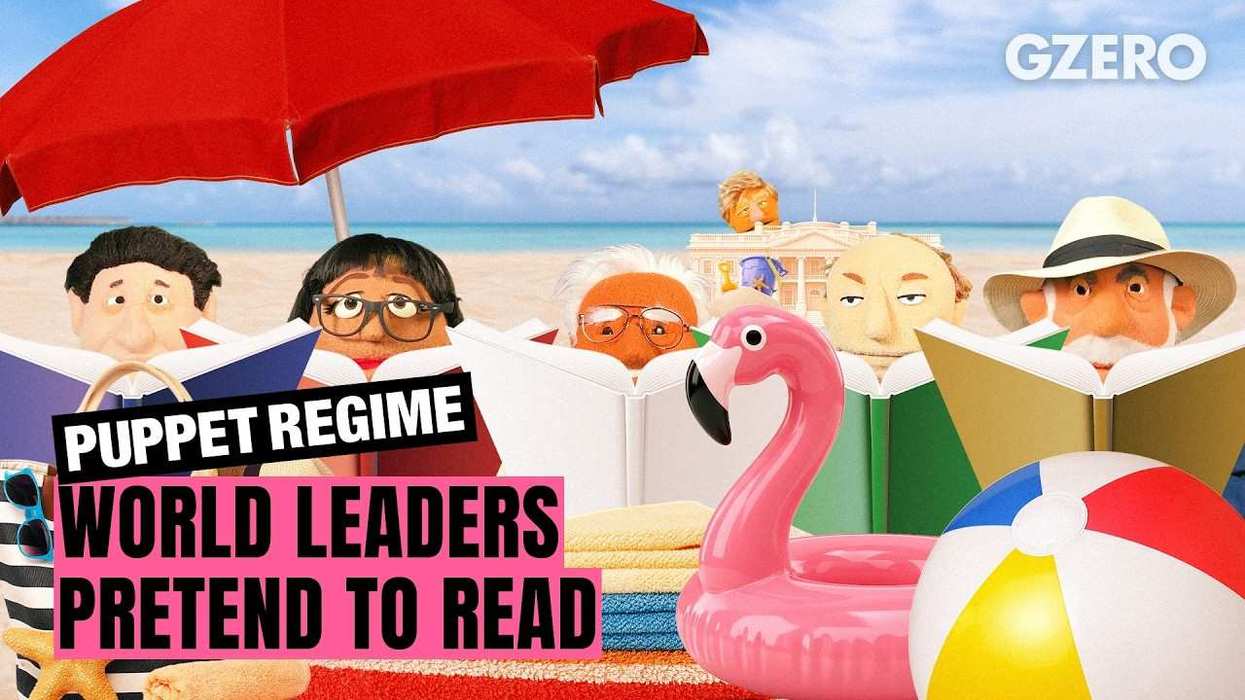
But the international community looks very different today. In 2026, the G7 finds itself operating in a “G-Zero” world – with no clear leader. The United States has retreated from its role as global policeman, instead pursuing an “America first” agenda that has isolated itself from its allies. At times, the group can seem less like a G7 and more like a G6+1.
This year, leaders from the G7’s other members – Canada, France, Germany, Italy, Japan, and the United Kingdom – are discussing a laundry list of issues that could prove divisive: the wars in Ukraine and Iran, and the use of AI and the internet, to name a few. Some of these challenges are generating consensus, others are inviting division – and raising a larger question: in a leaderless world, does the G7 still matter?
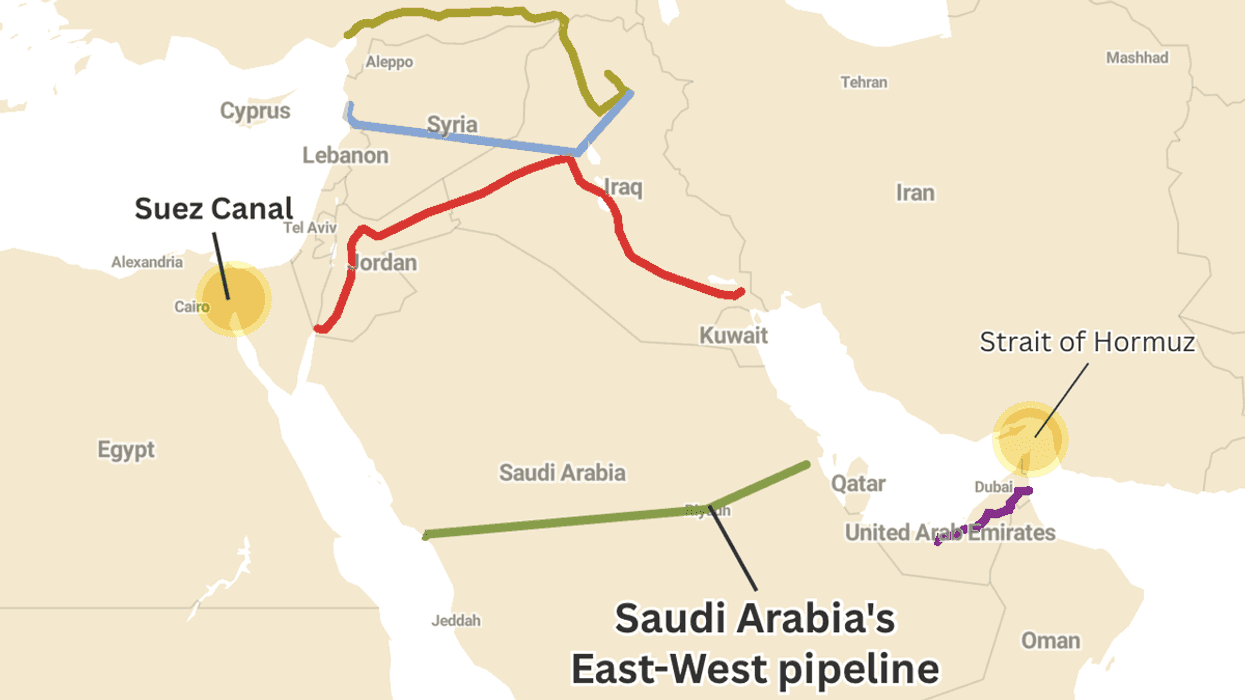
The US-Iran deal sees agreement – but the devil is in the details. The US-Iran agreement is one area where G7 members find some common ground. They all want hostilities to cease and the Strait of Hormuz to reopen. They also are “prepared to lift relevant sanctions in response to clear, verifiable steps by Iran on its nuclear program,” according to a joint statement. But beyond these commitments, they have lots of questions about the details, including the ceasing of Israeli hostilities in Lebanon and the means by which the deal will be enforced.
A major issue is whether there will be tolls for ships transiting the Strait of Hormuz. French President Emannuel Macron told TF1 television that there “shouldn’t be any tolls or anything that would enrich those in power” in Iran. But G7 allies may not have a say in the matter, just as they were not consulted about starting the war – something which again puts the US offside with other nations in the organization. While the memorandum of understanding has been signed, its text isn’t public, nor will it take effect until its formal signing ceremony on Friday, after the G7 leaders have left France.
Internet and AI regulation also exposes division. As tech executives from Anthropic, OpenAI, Google and Mistral AI prepared to rub shoulders with G7 leaders at the summit, the UK announced a sweeping ban on social media for children under age 16, similar to moves last week by Canada and one expected soon by France. But other states are taking a different approach: the White House criticized the UK ban as inconsistent with free speech, Japan rejected the idea of an age-based ban, and Italy and Germany imposed less restrictive measures, such as parental permission to access sites.
Member states also disagree on general internet regulation. The US is reportedly threatening to impose a 100% tariff on French wine and champagne unless France removes its digital services tax, which Washington considers harmful to American tech companies. Canada canceled plans to impose a similar tax on the US last year, as it began negotiations over the future of the USMCA free trade agreement.
And then, there’s Ukraine. Sandwiched between the Iran deal and the tech bros, Ukrainian President Volodymyr Zelensky is attending the summit as a guest of France, making his pitch to help end the war. Ahead of the summit, he asked for more support for Ukraine’s air defense from G7 countries, and sat down with both Trump and Macron. While no details on the discussion were released, Zelensky later posted on X that “It’s always important to coordinate positions.” Trump described the meeting in positive terms and said that “Russia should make a deal” because both sides have sustained great losses during the war.
Trump will also meet Zelensky again before the end of the summit and suggested he’d turn more of his attention to Ukraine. While European G7 nations welcome a renewed focus on Ukraine, it’s not clear how much they want Trump to set the tune. Ukraine’s European allies are now footing the bill for two-thirds of Ukraine’s war efforts, and want a say in any settlement of the conflict.
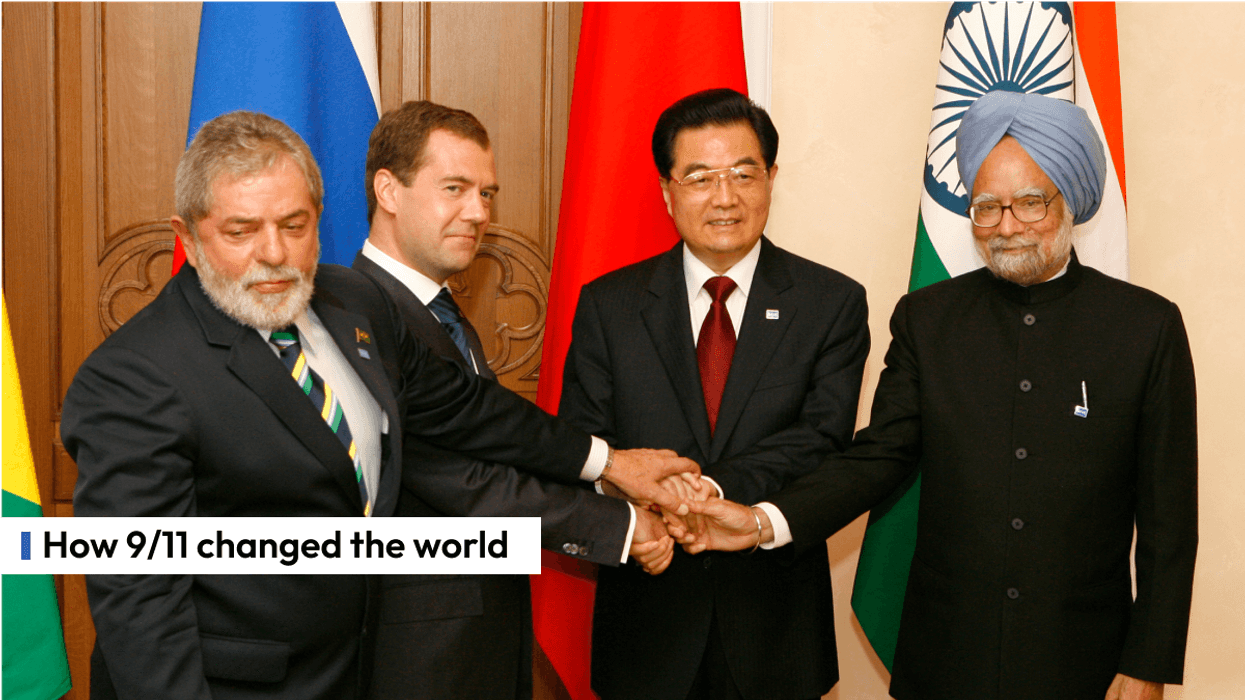
Decline and disruption. Given all these challenges, is the G7 still an institution that can effect change? In 1980, the nations of the G7 represented just over 60% of global GDP and close to 14% of the world’s population. Today, they account for 44% of GDP and just under 10% of the global population. The expansion of China’s economy, growth in India, and the rise of economic powerhouses like South Korea and Singapore have shifted economic clout away from Europe, home to five of the seven G7 member states.
Could the G7 expand its reach by growing its ranks? While the group invites nations to observe – this year, including Kenya, India, Brazil, Egypt, and South Korea – it isn’t admitting new members. Russia joined in 1998, briefly turning the group into the G8, but was suspended in 2014 following its annexation of Crimea in Ukraine. For a few years, scholars and observers have been calling for the admission of South Korea and Australia to the group, arguing that expansion would make the G7 more relevant and effective given the growing strategic importance of the Indo-Pacific region. Critics counter, however, that a larger G7 would be redundant. A larger G7, they contend, would begin to duplicate the work of the larger G20, which already includes the world’s influential developing economies.
Get it together – or get out of the way? The biggest factor in deciding the G7’s future may not be a single crisis, but the group’s lack of unity. At last year’s summit in Kananaskis, the G7 broke with precedent by failing to produce an expansive final joint communiqué, largely because of disagreements between the US and other members over trade issues. Instead, the group issued a series of narrower statements, including one on Iran, in which all seven countries agreed that “Iran can never have a nuclear weapon.”
That particular consensus remains intact today — but how the world gets to that objective may not lie through the alliances of old. As Canadian Prime Minister Mark Carney opined at the start of the summit, “What one can't do at this point in a rapidly shifting world order is to rely on one set of institutions, one grouping, one country to provide the answers.” In other words, in a G-Zero world, it’s every state for itself – even among its friends.