July 13, 2026
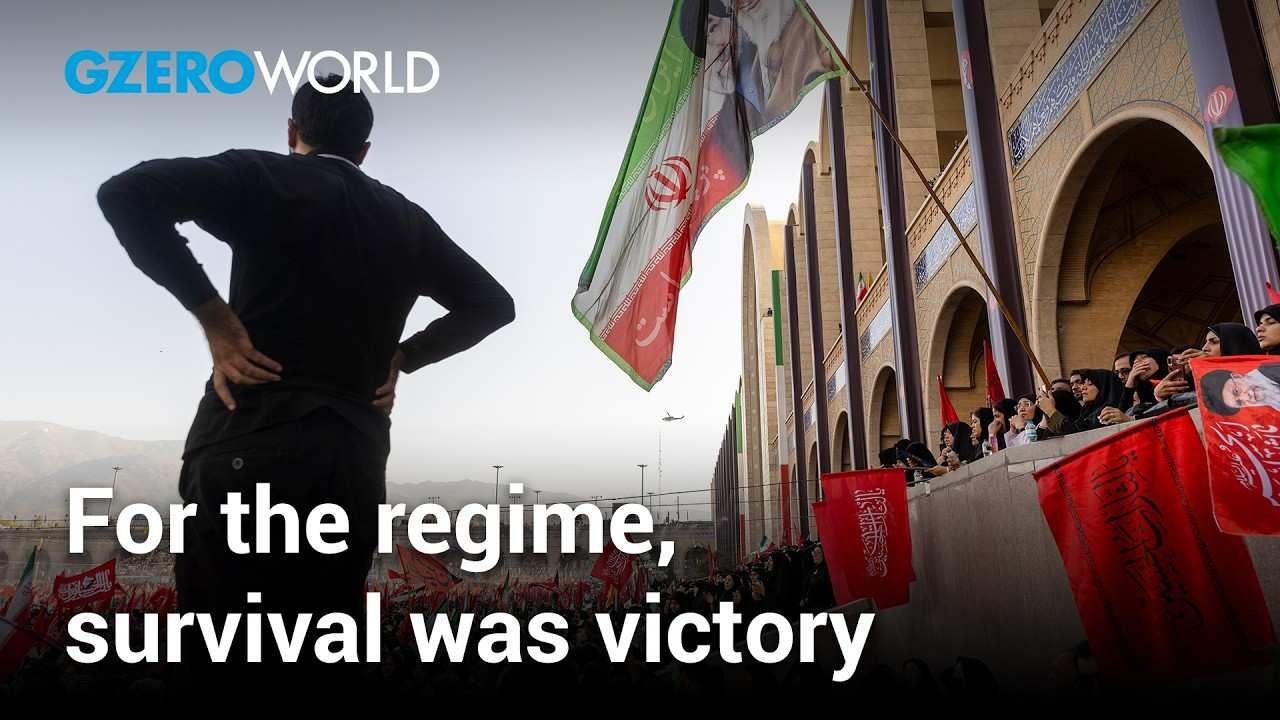
Iran’s regime may have entered the war under immense pressure, but Yeganeh Torbati says it emerged with a powerful new narrative: it survived attacks from the United States and Israel, endured the economic consequences, and remained in control.
In this clip from GZERO World with Ian Bremmer, the New York Times Iran correspondent explains why that survival has emboldened Tehran. The government can now point to its ability to withstand outside pressure, while its willingness to threaten the Strait of Hormuz has given it new leverage over global energy markets.
But that geopolitical advantage does not erase Iran’s deeper problems. The country still faces a battered economy, widespread public frustration, and a population that has repeatedly demanded change.
More For You
- YouTube
With Israel and the US heading to the polls, could elections change the course of the Middle East’s conflicts? Brett McGurk joins Ian Bremmer to discuss the Iran war, escalating Houthi attacks, and whether Washington has a strategy to contain the turmoil.
Most Popular
Think you know what's going on around the world? Here's your chance to prove it.
Argentina's President Javier Milei visits the Western Wall, Judaism's holiest prayer site during his tour in Jerusalem's Old City, February 6, 2024
REUTERS/Ammar Awad
Even as Israel grows increasingly isolated on the world stage, there is one region where a whole swath of newly-elected leaders can't seem to get enough of the Jewish State: Latin America.
© 2025 GZERO Media. All Rights Reserved | A Eurasia Group media company.