Pacifists no more? Japan lifts arms-sales limits
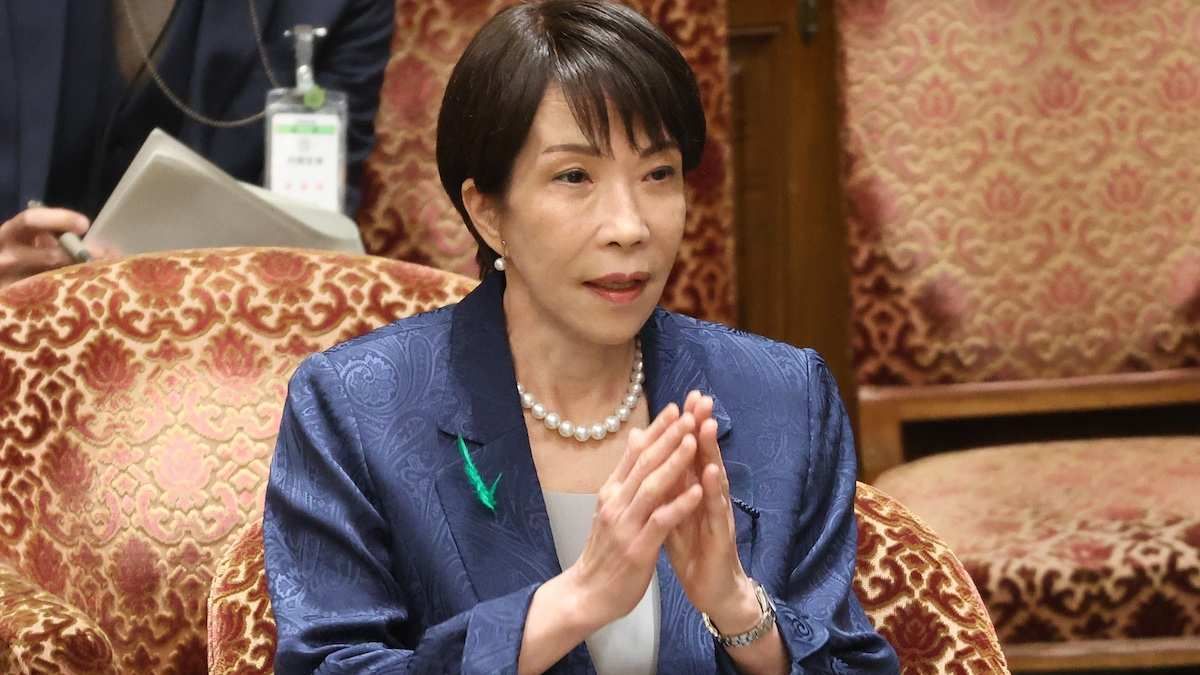
Tokyo announced on Tuesday that it will remove restrictions on arms exports to countries with which it already has defense agreements, including the US, the United Kingdom, other NATO members, and the Philippines. Japan’s arms exports had previously been restricted to defense-only equipment, but now Tokyo will sell lethal weapons too. It’s a big shift for Japan, which has held to a policy of pacifism since the end of World War II, and it comes as tensions rise with old foe China, which has condemned the move. Japan isn’t the only defeated former Axis power looking to remilitarize after decades of avoiding war: Germany also voted last year to loosen limits on defense and security spending, and is aiming to be the main arms factory for a rearming Europe.
It’s 1945 again in Central Europe
Peter Magyar, the incoming prime minister of Hungary, has history on his mind. In his first phone call Slovak PM Robert Fico, he demanded the repeal of Slovak laws that outlaw criticism of “Beneš Decrees.” Those were a set of orders issued in postwar Czechoslovakia, which permitted the expulsion and expropriation of Germans and Hungarians who were held collectively guilty for the crimes of Nazi Germany and its Hungarian allies. That history remains sore for Slovakia’s sizable Hungarian minority today. So while Fico reportedly wanted to talk about energy cooperation, Magyar said he won’t discuss anything until Slovakia makes it acceptable to question the Beneš Decrees again. The episode is a reminder that while Magyar is certainly more pro-EU and pro-NATO than outgoing PM Viktor Orbán, he still has a strong nationalist streak that could jostle relations with neighboring countries where large Hungarian minorities live.
Who’s gonna be Trump’s best European friend now?
It’s been a tough few weeks for friends of Donald Trump in Europe. MAGA idol Viktor Orbán lost the Hungarian election after 16 years in power, despite direct intervention on his behalf by the White House. Meanwhile, Italian Prime Minister Giorgia Meloni, once seen as Trump’s closest ally among major European powers, split with the US president over the Iran war. Trump was “shocked,” he toldCorriere Della Serra, adding, “she wasn’t the same person.” With Orbán gone and Meloni estranged, who will be the chief Trump whisperer in Europe? Poland’s Karol Nawrocki and Czech Republic’s Andrej Babiš are ideological allies and admirers for sure, but they lack Meloni’s influence or Orbán’s willingness to challenge the EU directly. Is it really going to be up to King Charles III, whom Trump has praised,to tend the US-Europe relationship when he visits the States next week?