January 15, 2025
Carl Bildt, former prime minister of Sweden and co-chair of the European Council on Foreign Relations, shares his perspective on European politics from Stockholm, Sweden.
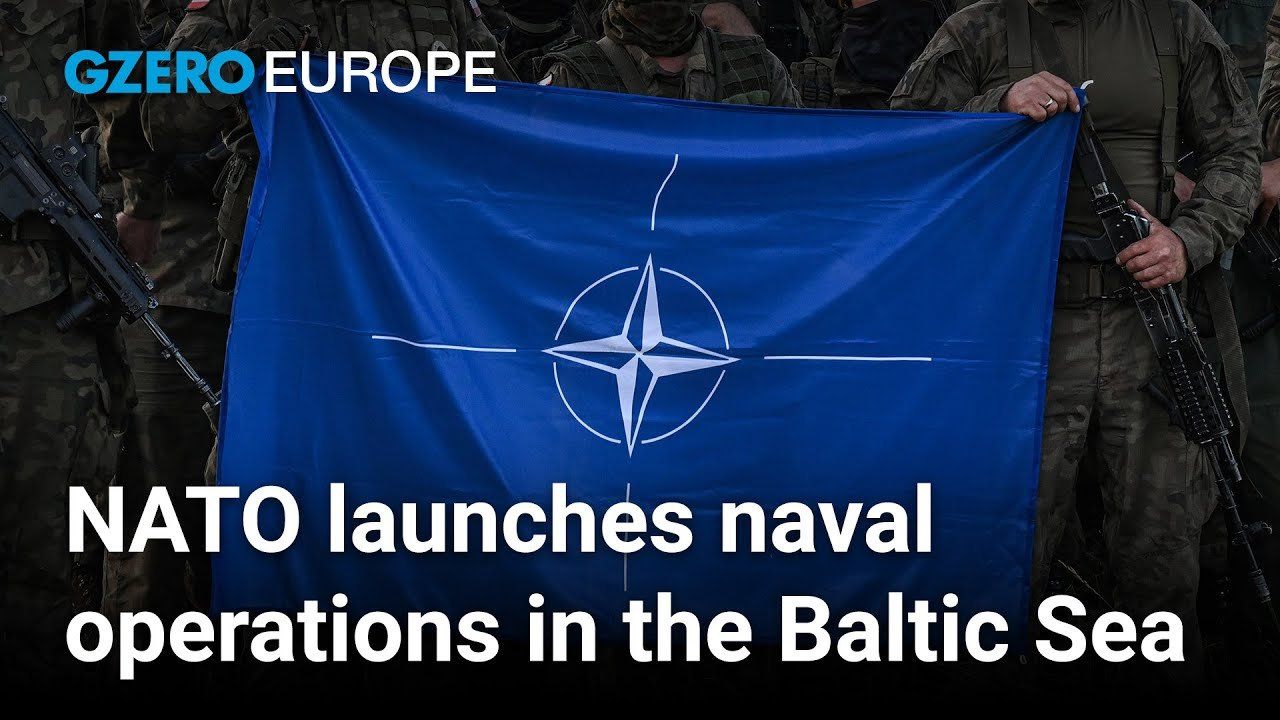
Why has NATO launched a new operation in the Baltic Sea?
Well the reason is to have better safety and security for the undersea infrastructure of different cables that we have in the Baltic Sea. There have been a number of incidents in the last few months when these cables have been damaged or cut by ships that have passed by dragging their anchors. They've often been associated with the part of what you call the 'shadow fleet' of earlier old rusty tankers transporting oil from Russia in violation of sanctions. So, the NATO operation is supposed to keep that under watch, prevent it, and secure the undersea infrastructure.
Are the sanctions against Russia by the EU and US really working?
Yes, they are. But of course it's a long-term effect. No question about that. They are degrading the strength of the Russian economy in a number of areas. Critical is the ability, which is a difficult one, to try to limit the gains in the profits that Russia is making off the oil exports, primarily to India and Russia. And I think the latest round of US sanctions and EU sanctions against the shadow of fleets of rusty old tankers, I think that will have an even more important effect than what we've seen so far.
More For You
- YouTube
Most Popular
Think you know what's going on around the world? Here's your chance to prove it.
As the AI boom drives demand for data centers, smaller countries are betting that cheap energy and land can earn them a place in the global race for computing power
As America celebrates 250 years, Bank of America is proud to honor our shared history. Discover our commitment.
© 2025 GZERO Media. All Rights Reserved | A Eurasia Group media company.