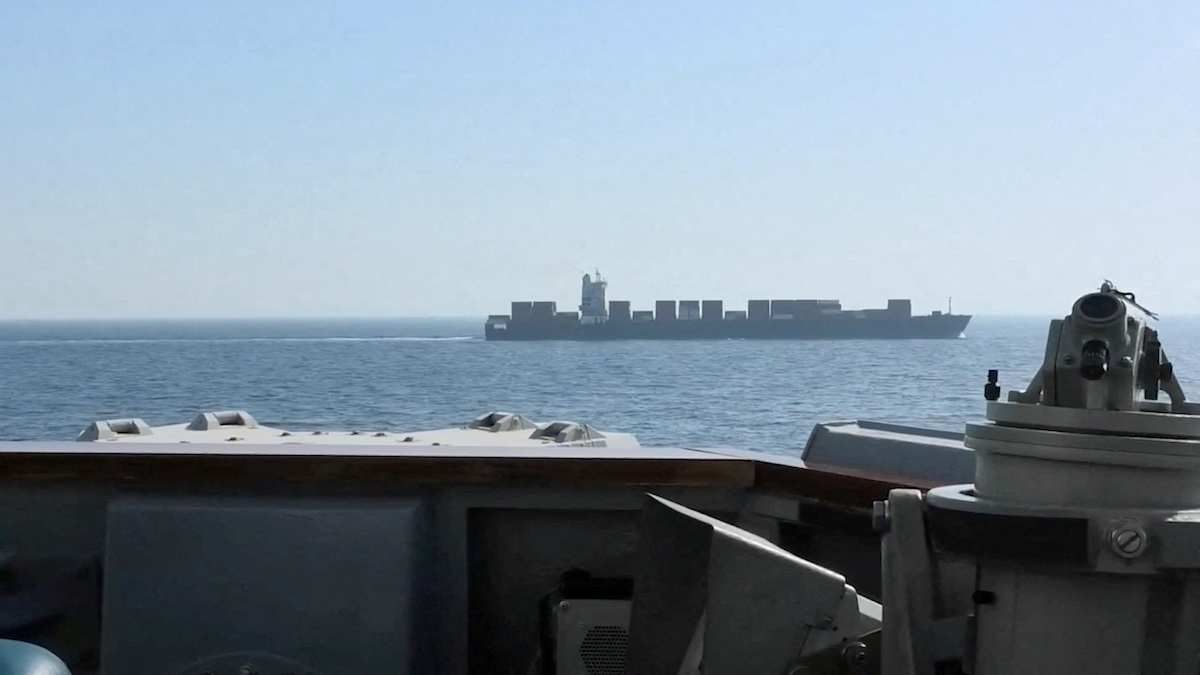
Washington’s blockade expands to Asia
The US Navy isn’t just intercepting Iranian-linked ships outside the Strait of Hormuz. In recent days, it redirected a trio of ships that were passing in Asian waters, per Reuters. One of the ships was reportedly carrying 2 million barrels of Iranian oil, and had been scheduled to discharge the crude in India. The US’s aim is to further strangle Iran’s economy, which is hugely reliant on its crude exports to Asia, and has now redirected 29 Iranian-linked tankers. As the blockade expands, energy leaders are growing increasingly concerned. This morning, the head of the International Energy Agency warned, “We are facing the biggest energy security threat in history.”
Even as the blockade continues, the Pentagon fired Navy Secretary John Phelan on Wednesday night. No explanation was given from the White House, but it marks the second time this month a senior US military official was forced out by the Pentagon.
Milei seeks electoral reform – but who would benefit?
After passing an expansive labor reform bill two months ago, Argentine President Javier Milei is turning to a new goal: electoral reform. In particular, the populist, mutton-chop-bearing leader wants to end mandatory national primary elections, which are open contests that determine party nominees for both congressional and presidential races. The reason? Milei doesn’t want the government to fund these votes. Instead, he aims for parties to decide on the candidates using their own internal mechanisms (and funds), akin to what happens in most US states. If the bill passes, the upshot for political candidates will depend on how parties conduct their own primaries. If the US is anything to go by, though, it could open the door for more radical, inexperienced candidates – and greater polarization in Argentina.
EU greenlights huge funding package for Ukraine
The European Unionwill lend Kyiv more than $100 billion to bolster Ukraine’s armed forces. The package had been held up for months by opposition from outgoing Hungarian Prime Minister Viktor Orbán, a noted POP (Pal of Putin’s) in Europe. Orbán had refused to approve the loan so long as a key Russian oil pipeline to Hungary remained out of commission — a section of the Druzhba line running through Western Ukraine was knocked out by a Russian drone strike in January. But two things changed the equation: Orbán lost the Hungarian election, and as of Wednesday, oil started flowing through the line again – so Budapest has given the thumbs up. The military focus of the EU loan suggests that both Brussels and Kyiv have little hope the conflict will end soon.