Is the US-Iran deal the real deal?
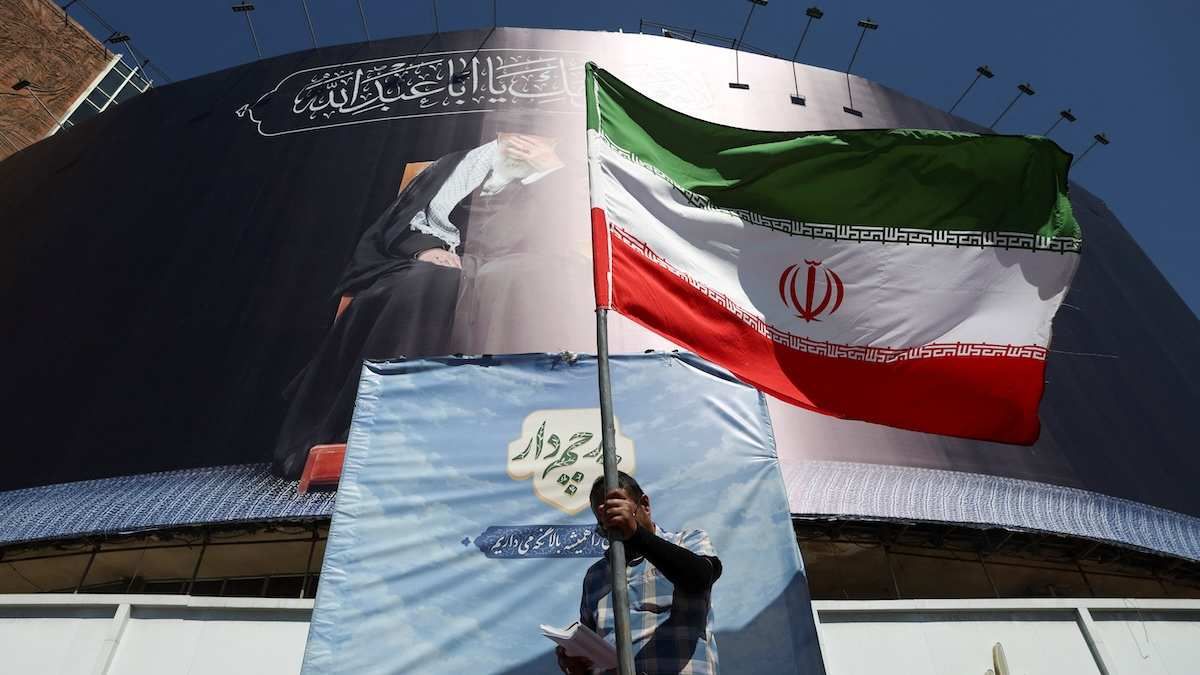
The United States and Iran said Sunday that they had reached an interim agreement that could end the months-long war and reopen the Strait of Hormuz. Officials are expected to sign the deal in Switzerland on Friday, following the G7 summit in France. If signed, it would mark the biggest diplomatic breakthrough since the war began. Keep in mind, the agreement is a roadmap rather than a finalized deal: it extends the fragile 60-day ceasefire and gives the Trump administration and Tehran time to address major unresolved issues. The biggest is Iran’s stockpile of highly enriched uranium and the future of its nuclear program – the latter took nearly two years to negotiate under a 2015 nuclear deal signed by US President Barack Obama, which US President Donald Trump withdrew from during his first term. It’s unclear right now what the agreement means for fighting in Lebanon. Iran wants an end to hostilities there, while Israel said today it intends to keep the territory it seized while fighting Hezbollah.
Ian Bremmer breaks down what the agreement between the two sides means in his latest Quick Take. While the memorandum of understanding is a positive sign for diplomacy, Ian explains the world should until the signing takes place on Friday to feel “confident” that the war is headed toward a finale. Watch the video here.
Peru’s presidential election heads for a photo-finish
Leading by just 1,303 votes, right-wing candidate Keiko Fujimori is narrowly ahead of her leftist opponent Roberto Sánchez in the Peruvian presidential race over a week after the runoff vote took place. With nearly all of the 18 million ballots counted, Fujimori has declared victory, while Sánchez has refused to concede and is urging her toback a full recount. Election authorities will soon begin reviewing contested ballots flagged by the Sánchez camp, especially those from the capital city of Lima and votes from abroad, both Fujimori strongholds. The review process is expected to continue until mid‑July, when an official winner will be certified. If Fujimori holds her lead, she would become Peru’s ninth president in ten years. She has tried to separate herself from her father Alberto Fujimori’s controversial legacy, and would likely adopt a tough‑on‑crime stance in line with other right‑leaning leaders in the region.
France eyes jet project with the UAE as German deals falter
Paris is in talks with Abu Dhabi over a defense partnership for its Rafale combat plane, after its efforts to work with Berlin on a fighter-jet project fell through last week. The proposal isn’t a replica of the deal with Germany, since the planned upgrade would lack features that the proposed Franco-German upgrade would have had, including stealth (which helps planes go undetected). But France’s turn toward the UAE reflects a rising amount of turbulence with its European Union ally Germany: as well as the fighter-jet issue, a Franco-German tank project is set to collapse. Paris and Abu Dhabi have a solid relationship on defense – they renewed a defense pact last month – but how far could the partnership go? And what does it mean for the EU if its two biggest players can’t get along?
For more on this discord between France and Germany, and what it means for European defense, watch GZERO’s Carl Bildt video here.