Skip to content
Search

Latest Stories

Closing the Gap

Hard Numbers: Mexicans benefit from US labor boom, UAE-Euro remittances surge, Egypt feels the Ukraine burn, Bangladesh’s cap

​A woman speaks on the phone outside a money exchange office in Ciudad Juarez, Mexico.

A woman speaks on the phone outside a money exchange office in Ciudad Juarez, Mexico.

Reuters

16.6: Remittances to Mexico in the year leading up to July rose a whopping 16.6% to $32.8 billion, in large part due to the US’ post-pandemic booming labor market. Unemployment levels remain very low in the US – a good thing for Mexican remittances – though that could change as the US Federal Reserve doubles down on its effort to quell inflation.


30: Foreign exchange houses in the United Arab Emirates have recorded a surge in monthly remittances to Europe as Europeans in the UAE take advantage of the weaker-than-usual euro to send money home. One big foreign exchange company, Al Fardan Exchange, recorded a 30% monthly rise in September as the euro depreciated against the US dollar.

14.7: Remittances from Egyptians working abroad shrank 14.7% in July compared to the same time last year. This comes as the value of the Egyptian pound has fallen against the US dollar as import-reliant Cairo feels the economic pinch of the war in Ukraine. Together, tourism and remittances are amongst Egypt’s most important sources of foreign currency reserves.

108: Bangladesh recently enforced an exchange rate cap of 108 taka per US dollar for remittances in a bid to stabilize the country’s currency. (For a history of the dollar/ taka exchange rate, see here.) Amid a spate of economic crises that led to the South Asian country’s foreign reserves drying up earlier this year, many residents turned to the underground exchange, which further destabilized the local currency.


More For You

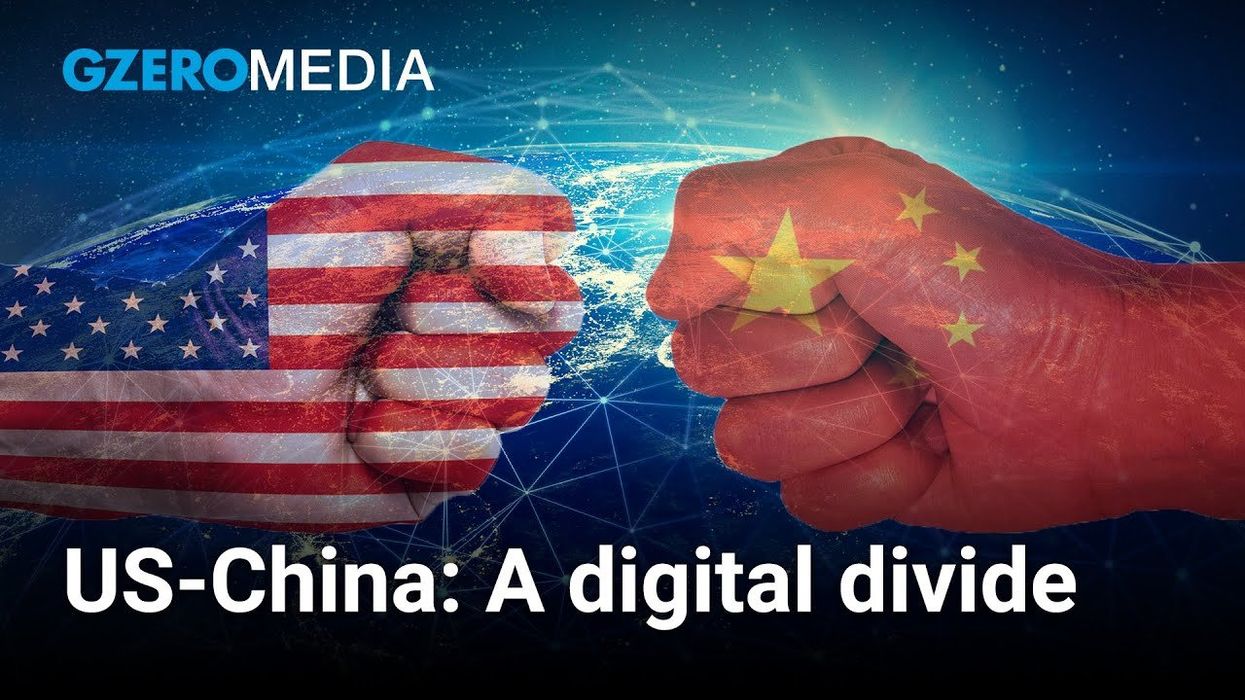
US-China tech tensions: the impact on the global digital landscape
US-China tech tensions: the impact on the global digital landscape | Digital Nations | GZERO Media
As the digital world continues to grow and evolve, there still exists a digital divide between the US and China. Alexis Serfaty, director of geotechnology at Eurasia Group, in a GZERO livestream presented by Visa, says that has long as US-China relations continue to be involved in a “tech cold war,” other countries, especially in developed [...]
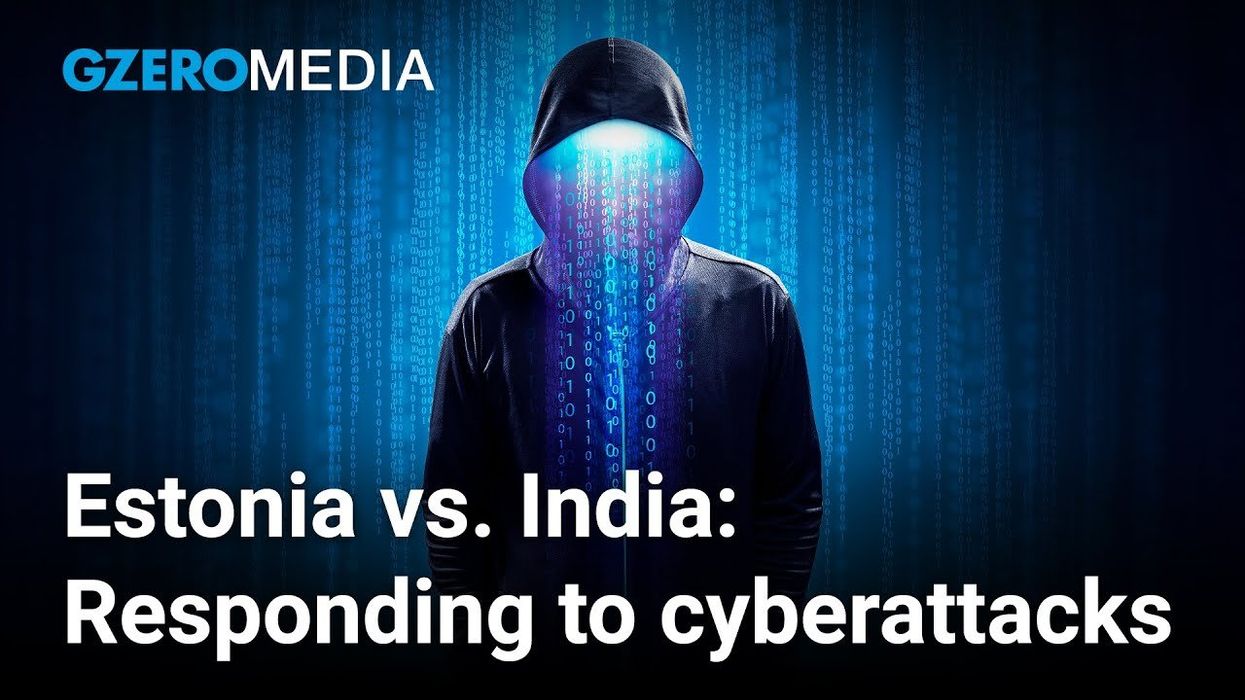
Divergent cyberattack responses: Estonia & India
- YouTube
During a recent GZERO livestream event presented by Visa, Priya Vora, CEO of Digital Impact Alliance, shed light on a critical aspect of digitization that often goes beyond the realm of cybersecurity: trust-building between governments and citizens. Priya recounted an intriguing comparison between Estonia and India in 2018, both of which [...]
The digitalization divide: opportunities and challenges in emerging markets
The digitalization divide in emerging markets | Digital Nations | GZERO Media
In GZERO’s livestream event presented by Visa, a panel of geotech experts delved into the pivotal role of digitalization in shaping the global economy. One striking revelation emerged: Nearly three-fourths of all new value created by the end of this decade will be rooted in digitalization and digitally enabled business models. This underscores the [...]
Digital natives: Redefining youth digital literacy
Digital natives: Redefining youth digital literacy | Digital Nations | GZERO Media
Contrary to the common notion that today's young people are inherently digital-savvy due to their exposure to technology, chief innovation officer of USAID, Mohamed Abdel-Kader says that simply knowing how to navigate social media or use a smartphone does not equate to digital literacy. In a recent GZERO livestream presented by Visa, Abdel-Kader [...]