Skip to content
Search

Latest Stories

arms race

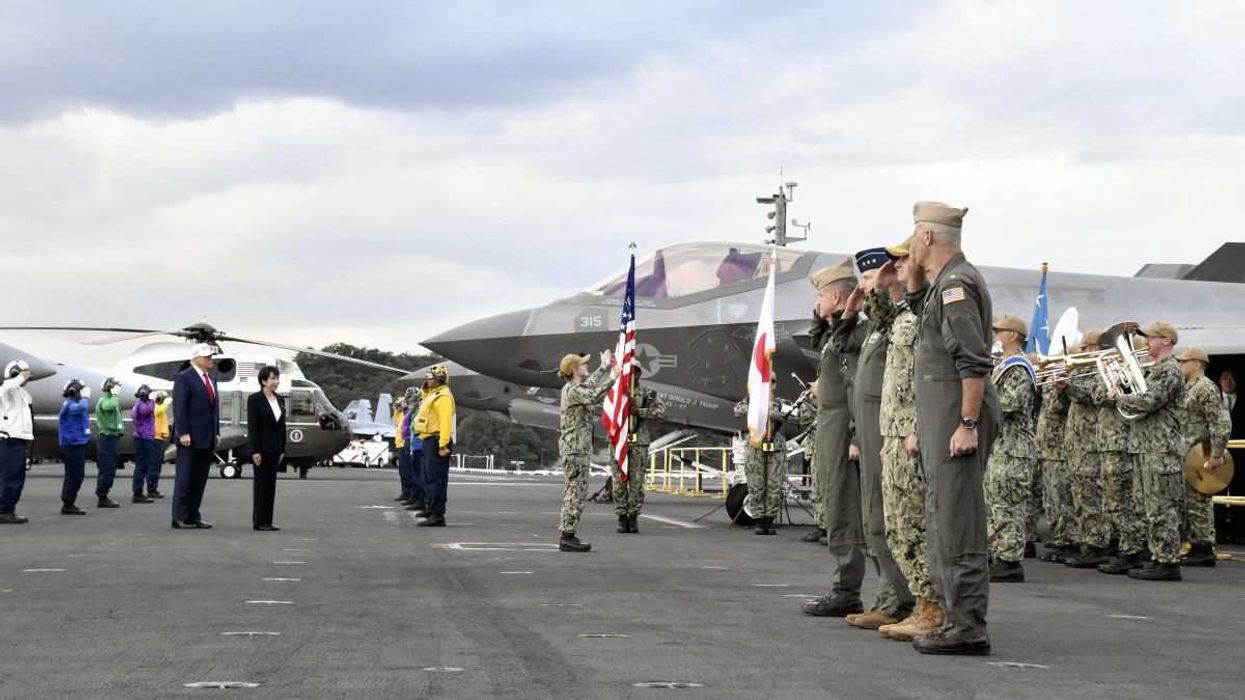
​US President Donald Trump and Japanese Prime Minister Sanae Takaichi arrive at the nuclear-powered aircraft carrier USS George Washington (CVN-73) in Yokosuka City, Kanagawa Prefecture, Japan, on October 28, 2025.
Analysis

Bombs away: Are we entering a new nuclear arms race?

Last Thursday, US President Donald Trump announced that Washington will restart nuclear weapons testing, raising fears that it could end a 33-year moratorium on nuclear-warhead testing.

The dangerous new nuclear arms race
GZERO World with Ian Bremmer

The dangerous new nuclear arms race

The world is entering a new nuclear era—one that’s more chaotic and dangerous than the last, raising the risk of catastrophe. Ian Bremmer discusses the growing nuclear risk with Admiral James Stavridis on the latest episode of GZERO World.

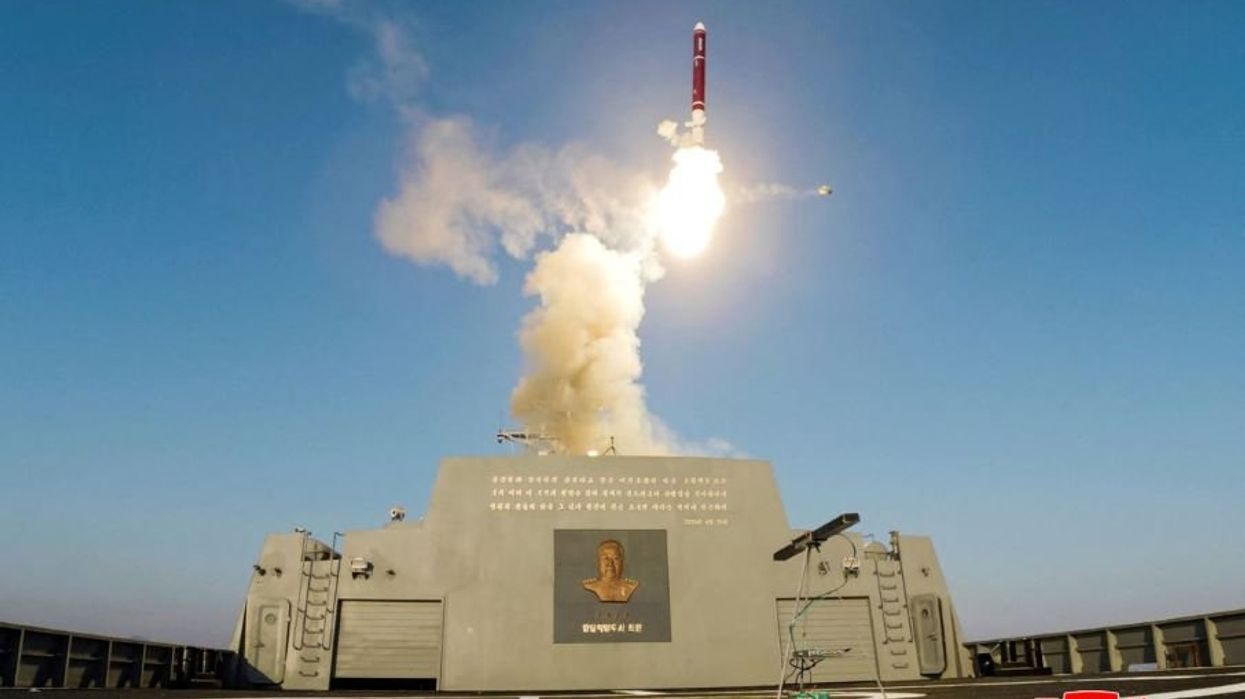
View of what state media KCNA reported was a test-firing of the weapons system of the new "Choe Hyon-class" warship, in this picture released on April 30, 2025, by the Korean Central News Agency.
Analysis

The new global arms race: who’s buying, who’s selling, what’s at stake

Welcome to the new global arms race: faster, smarter, more dangerous and more expensive than ever. In 2024, world military spending surged to a record $2.7 trillion, the steepest annual increase since the Cold War's end, driven largely by European, Asian and Middle Eastern nations.

Should you believe the hype(rsonic)?
popular

Should you believe the hype(rsonic)?

China and Russia have successfully tested a terrifying new class of "hypersonic weapons." The US is hard at work on its own. Why do these weapons pose such a threat and what should be done about it?

The new nuclear arms race: Smarter, faster nukes
GZERO World Clips

The new nuclear arms race: Smarter, faster nukes

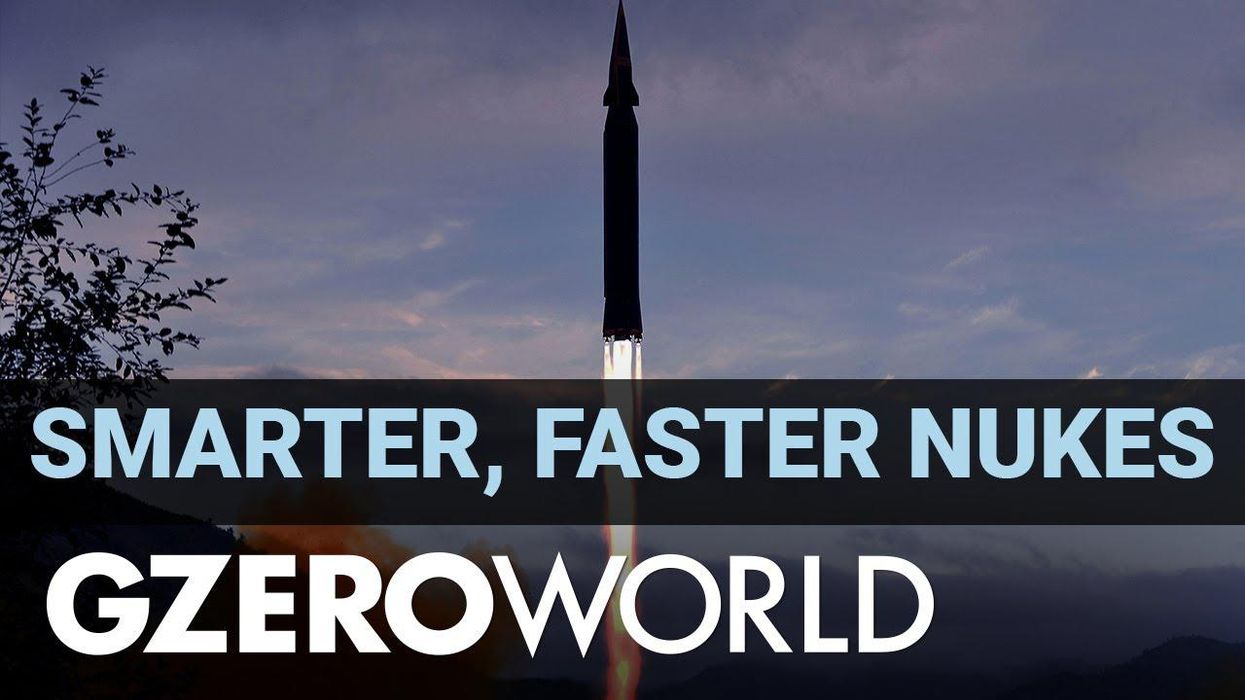
There's a lot of talk about nukes these days — but not about Cold War-era massive arsenals and mutually assured destruction. Nuclear weapons expert Kelsey Davenport says the risk of something going horribly wrong is rising because countries like China or Russia are developing smaller warheads and high-tech delivery systems such as hypersonic missiles, which traditional arms control agreements don't take into account. Watch her interview with Ian Bremmer on the upcoming episode of GZERO World.