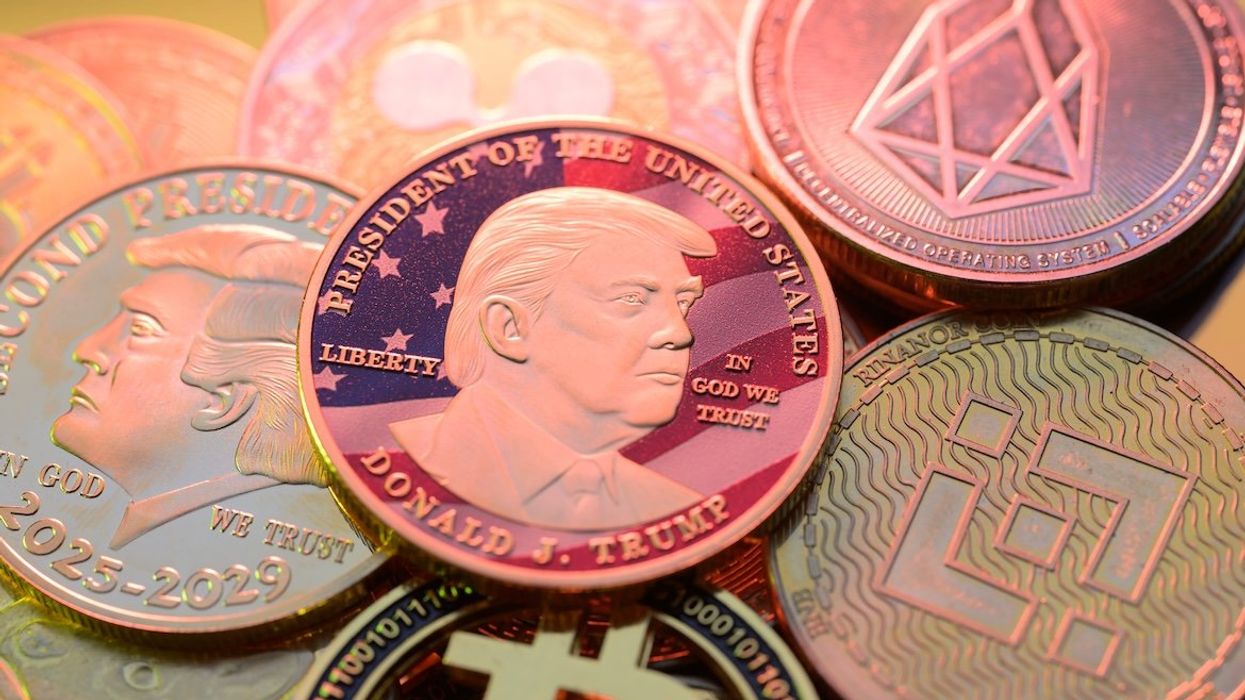
El Salvador will become the world's first country to formally adopt the cryptocurrency Bitcoin as legal tender on 7 September. The move is the brainchild of President Nayib Bukele, a young leader who's eager to shake up El Salvador's economic policy, and is wildly popular with approval ratings of 87 percent. Eurasia Group experts Risa Grais-Targow and Paul Triolo explain how it's all supposed to work.
What will bitcoin be used for?
At the moment, the US dollar is used for all economic transactions in El Salvador, but as of Tuesday, buyers and sellers of goods and services may opt to use Bitcoin instead. To put in place the necessary infrastructure, the country has teamed up with Zap, a cryptocurrency startup that operates the Venmo-like app Strike. Bukele has responded to local uneasiness with such a big change by backing away from making the use of Bitcoin mandatory, stressing instead that it will be completely optional. A recent survey by local pollster LPG Datos found that 65 percent of respondents were not in favor of Bitcoin adoption and that just 21 percent plan to use it as a payment method. However, it is not clear how well most citizens understand how to use the cryptocurrency, suggesting that uptake will probably be limited initially but could grow over time.
Bukele is seeking to continue winning over the skeptics by incentivizing Bitcoin use. He has launched a government-backed electronic wallet called "Chivo" (slang for "cool") and is offering the equivalent of $30 in the wallet for those who sign up before next week's launch. In addition, the government is installing about 200 ATM machines for users to convert Bitcoin to dollars and withdraw cash from their Chivo apps. Meanwhile, a trust at the country's development bank has been created to protect against wide fluctuations in the value the Bitcoin, something that has posed a problem for the cryptocurrency's use as a medium of payment.
Why does El Salvador want to move to Bitcoin?
Bukele wants to bring millions of unbanked Salvadorans into the financial system and to lower transaction costs for remittance transfers. In making his pitch to the public, Bukele has continued to highlight the steep fees that intermediaries charge — as high as 30 percent — for remittance transfers. The funds sent home by Salvadorans working abroad, primarily in the US, amount to about 25 percent of Salvadoran GDP and are therefore a key driver of economic activity. Bukele hopes that lower remittance fees, along with potential investment from cryptocurrency entrepreneurs, will help to stimulate the economy and create jobs. The president — who's seen as a millennial disruptor — is a crypto enthusiast himself, and seems eager to explore other uses of crypto assets as well.
Could others follow suit?
Other countries in the region are watching closely to see if the use of Bitcoin for remittances takes off and reduces transaction costs. That would be particularly appealing to other remittance-dependent economies in Central America such as Honduras and Guatemala. But financial authorities there will first wait to see how El Salvador's experiment plays out. Currently, cryptocurrencies are used in only about 1 percent of global cross-border remittances.
How could all this benefit El Salvador? What could go wrong?
If Bitcoin usage gains traction and brings down transaction costs for remittances, the economy will get a boost — especially if Bukele's cryptocurrency plans attract more foreign investment. However, there are some potential downsides. In addition to the previously mentioned volatility issue, Bitcoin adoption has raised concerns in Washington about the cryptocurrency's lack of transparency and its potential use for money laundering. El Salvador's plans have also complicated talks with the IMF over a $1.3 billion financial aid program. They have also sparked local fears that Bukele is looking for creative ways to de-dollarize the economy, given that the country's reliance on the US dollar severely limits policy flexibility and has led to financing difficulties. Yet even the hint that the government might be abandoning its commitment to the dollar could create a financial crisis by prompting local residents to withdraw their deposits from banks and foreign investors to remove their money from the country. That would be sure to bring down Bukele's sky-high approval ratings.