News
Hard Numbers: Fenced-off Shanghai, Tigrayan soldiers seek asylum, Saudi royals sell assets, overtaxed Argentine farmers
Annie Gugliotta & Jess Frampton
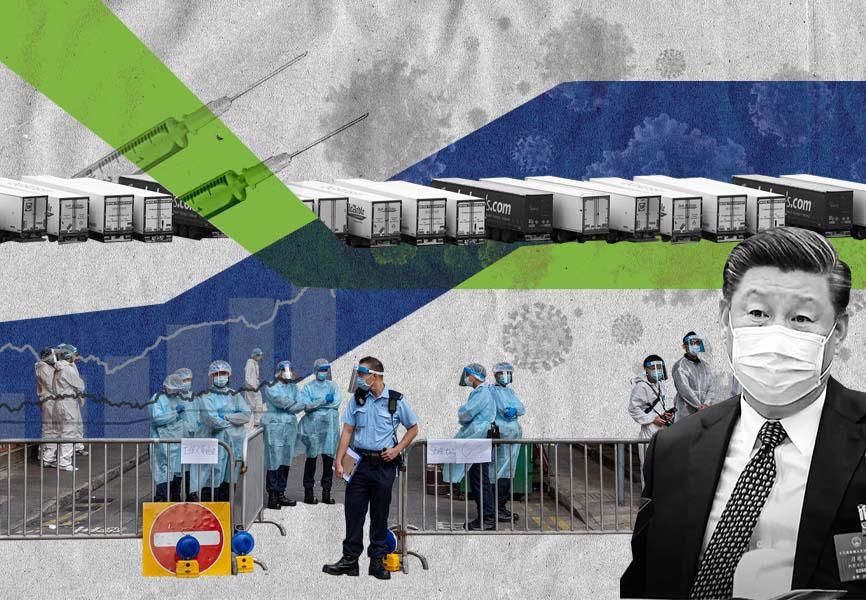
6: After partly relaxing its COVID-19 lockdown last week, Shanghai is now erecting metal barriers to keep people indoors in high-risk districts. Frustration among residents is mounting, as seen in a six-minute video about the lockdown’s impact that's gone viral on Chinese social media despite censors' attempts to block it.
500: Over 500 Ethiopian soldiers from the war-torn Tigray region deployed as UN peacekeepers in Sudan say they won't return home because they fear for their safety. They want asylum in the neighboring country, which has a beef with Ethiopia over a controversial dam on the Upper Nile.
600 million: Big-spending members of the Saudi royal family have recently sold more than $600 million worth of art, real estate, and yachts stashed in the US and Europe. The royals are worried about getting cut off by de-facto ruler Crown Prince Mohammed bin Salman, who — by Saudi standards — is somewhat more frugal.
64.9: Thousands of Argentine farmers took to the streets of Buenos Aires on Saturday for an anti-tax protest. You'd probably do the same if an estimated 64.9% of your income went to the government.Check out the latest swag from the official Puppet Regime merchandise store! Browse an array of products that will show the world you are a devoted subject of the Regime, including: A big, beautiful mug for drinking coffee very strongly, A handsome tote bag to carry your favorite classified documents, Collectible stickers, Stylish t-shirts and hoodies – now also available in pink. We ship worldwide! Shop now at shop.puppetregime.tv!
Washington and Ottawa are down to the wire with last-minute talks to reach an agreement by 12:01 a.m. Wednesday, when President Donald Trump has threatened to impose 50% tariffs on over $20 billion of Canadian goods.
On Monday, public health officials said the virus had killed 2,325 people.
As the line between the battlefield and everyday life blurs, countries are increasingly preparing civilians for the next war.