Sovereignty has become one of the most powerful, and least defined, words in tech policy.
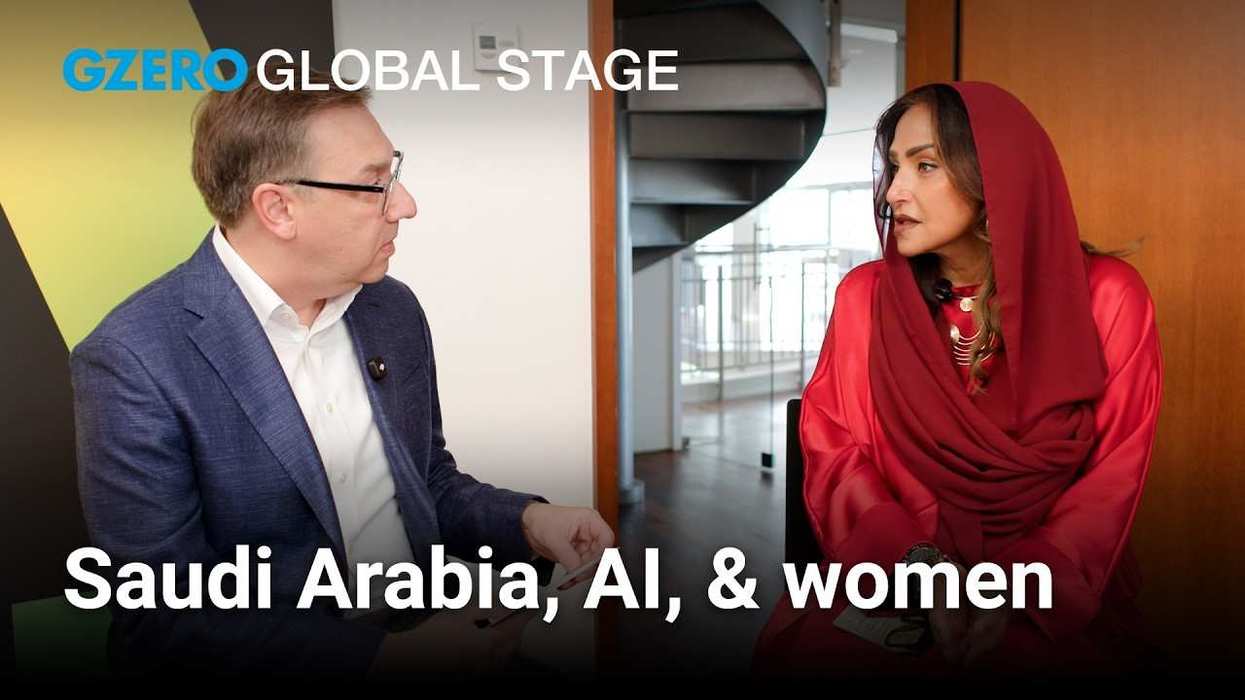
At the 2026 Munich Security Conference, SAP global head of government affairs, Wolfgang Dierker, explains why governments and enterprise customers are demanding more control over their data, cloud infrastructure, and AI systems amid rising geopolitical uncertainty.
Customers still need cloud software and artificial intelligence to stay competitive. But increasingly, especially in the public sector, they want “sovereign cloud” and “sovereign AI," solutions that guarantee maximum control, compliance, and security.
There’s just one problem: there’s no unified definition of sovereignty.
Is it about data residency? Operational control? Legal jurisdiction? Architectural design?
As Dierker notes, without harmonized standards, companies are left offering tailored, case-by-case solutions. And as Microsoft Vice Chair and President Brad Smith adds, partnerships like Microsoft, SAP, and Germany’s Delos aim to combine national control with global technology integration.
In a fragmented world, can digital sovereignty be both secure and connected?
Watch the full Global Stage conversation from Munich.