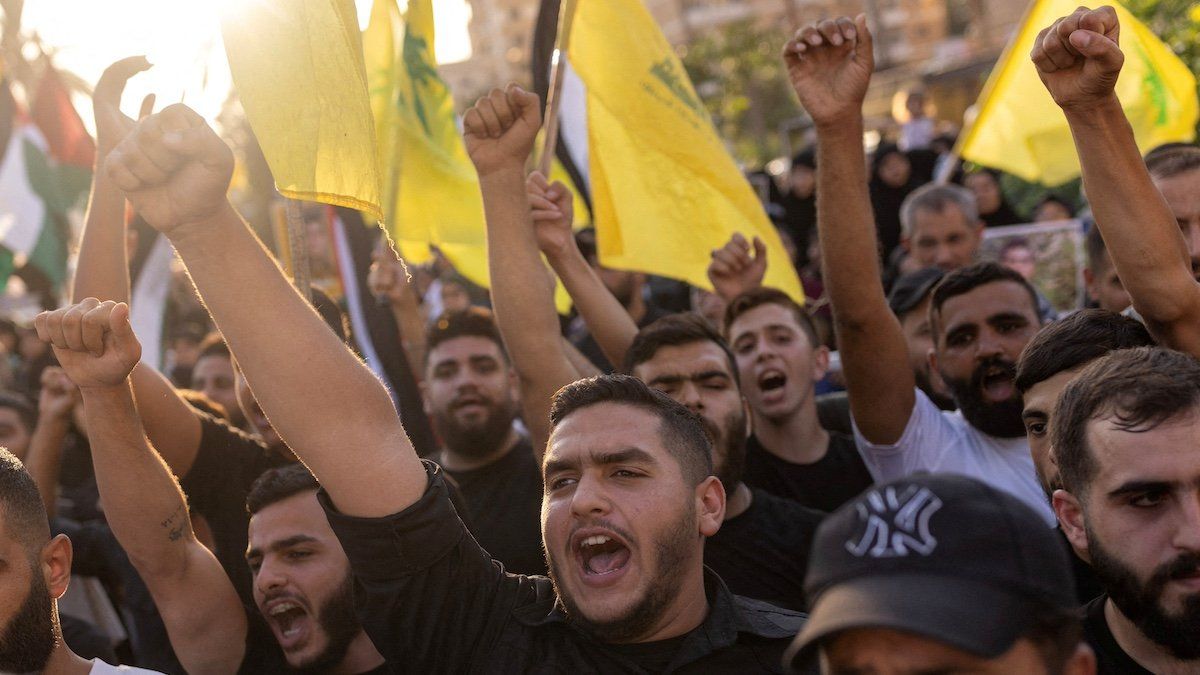
An Israeli drone strike on southern Lebanon on Saturdaykilled Ali Abd Ali, a senior operative in Hezbollah’s Southern Front, in what the Israel Defense Forces described as “a significant blow to the functioning of the Southern Front and the Hezbollah terror organization in the region.”
Hezbollah confirmed the death, a further escalation of its conflict with Israel, which has so far killed 25 Israeli civilians, 18 IDF personnel, and 387 members of Hezbollah according to Times of Israel. On Monday, it said it had launched a drone attack in northern Israel. The US and UK are deploying military assets to the region in response to the broader tensions growing between Israel and Iran, which is expected to retaliate for the assassination of Ismail Haniyeh in Tehran last week. UK Foreign Secretary David Lammy warned the situation “could deteriorate rapidly.”
The US, UK, France, and Canada all issued travel advisories and urged their citizens to leave Lebanon immediately. Major airlines, including KLM and Emirates, have suspended flights to the region.
Meanwhile, Jordan's Foreign Minister
Ayman Safadivisited Iran Sunday to discuss that country’s response to the assassination of Haniyeh in Tehran. Israel has neither denied nor confirmed responsibility for Haniyeh’s death, but Iran’s leader,
Ayatollah Khamenei, has vowed “
harsh punishment” against Israel for the assassination. In response, Israeli Prime Minister
Benjamin Netanyahu stated, “We have heard threats from all sides. We are prepared for any scenario.”