November 25, 2024
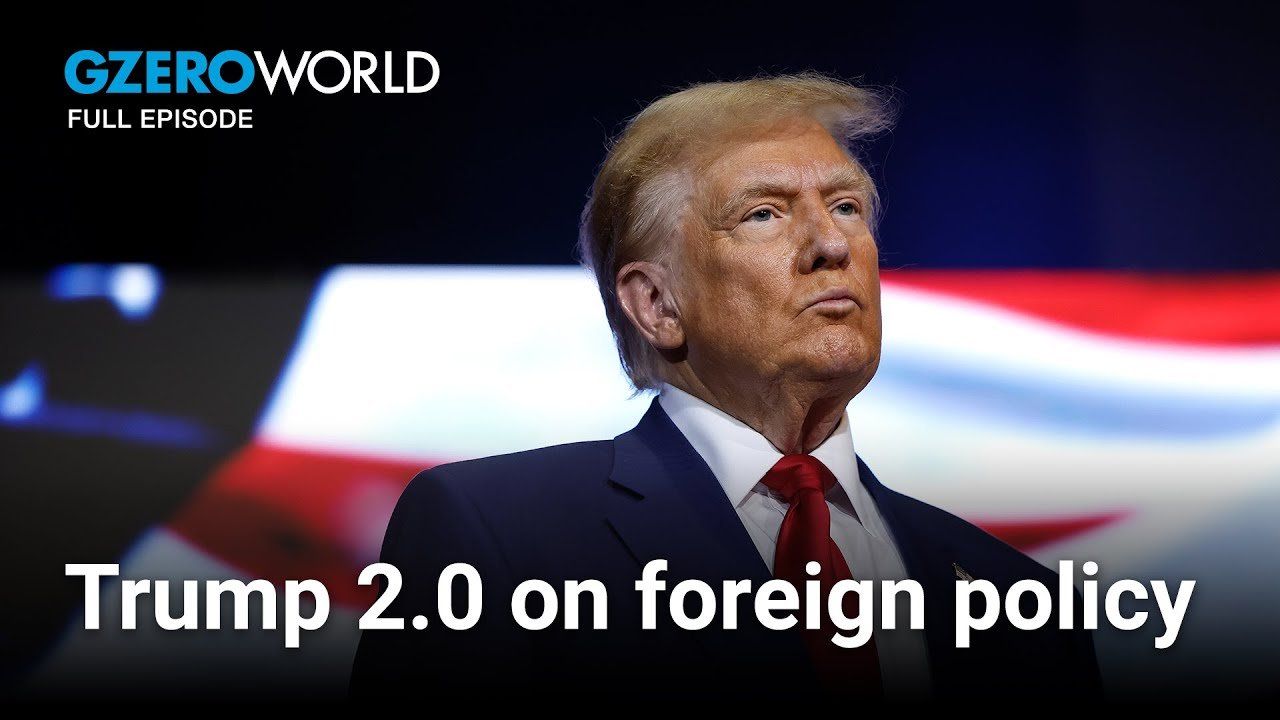
As Trump prepares to return to the White House, his foreign policy picks are already showing just how radically his presidency could reshape geopolitics. New York Times Correspondent David Sanger joins Ian Bremmer on GZERO World to discuss just what a Trump 2.0 foreign policy could look like for some of the key geopolitical flashpoints today. From the wars in Ukraine and the Middle East to the increasingly strained US-China relationship, the only thing we can say for sure is that the Trump sequel will look far different from the original.
And that uncertainty, Sanger tells Bremmer, is why Trump won the election. "If you voted for Donald Trump in the 2024 election, it was probably with a thought that these institutions need to be blown up." One of the biggest questions, however, is just how Trump will approach the Ukraine war, and if he'll follow through on his campaign pledge to end the conflict in "24 hours." "Trump would love to come in as the man who ended the Ukraine war" Sanger says, "But the only way I can imagine in my limited way for how you do that in 24 hours is you have a call of Vladimir Putin and you say, Vlad, what do you need?"
GZERO World with Ian Bremmer, the award-winning weekly global affairs series, airs nationwide on US public television stations (check local listings).
New digital episodes of GZERO World are released every Monday on YouTube. Don't miss an episode: subscribe to GZERO's YouTube channel and turn on notifications (🔔).
More For You
- YouTube
In his latest Quick Take, Ian Bremmer examines the collapse of US-Canada trade talks and what it reveals about President Trump’s growing political vulnerability.
Most Popular
Think you know what's going on around the world? Here's your chance to prove it.
Check out the latest swag from the official Puppet Regime merchandise store! Browse an array of products that will show the world you are a devoted subject of the Regime, including: A big, beautiful mug for drinking coffee very strongly, A handsome tote bag to carry your favorite classified documents, Collectible stickers, Stylish t-shirts and hoodies – now also available in pink. We ship worldwide! Shop now at shop.puppetregime.tv!
Zhuque-3 rocket by China’s private rocket firm LandSpace, takes off from the Jiuquan Satellite Launch Center, China, December 3, 2025
LandSpace/Handout via REUTERS
Chinese aerospace company LandSpace successfully recovered the first stage of a rocket on land for the first time on Wednesday, marking a major step toward reusable rockets.
© 2025 GZERO Media. All Rights Reserved | A Eurasia Group media company.