GZERO Live
Water will become very political in 2023, says Eurasia Group analyst
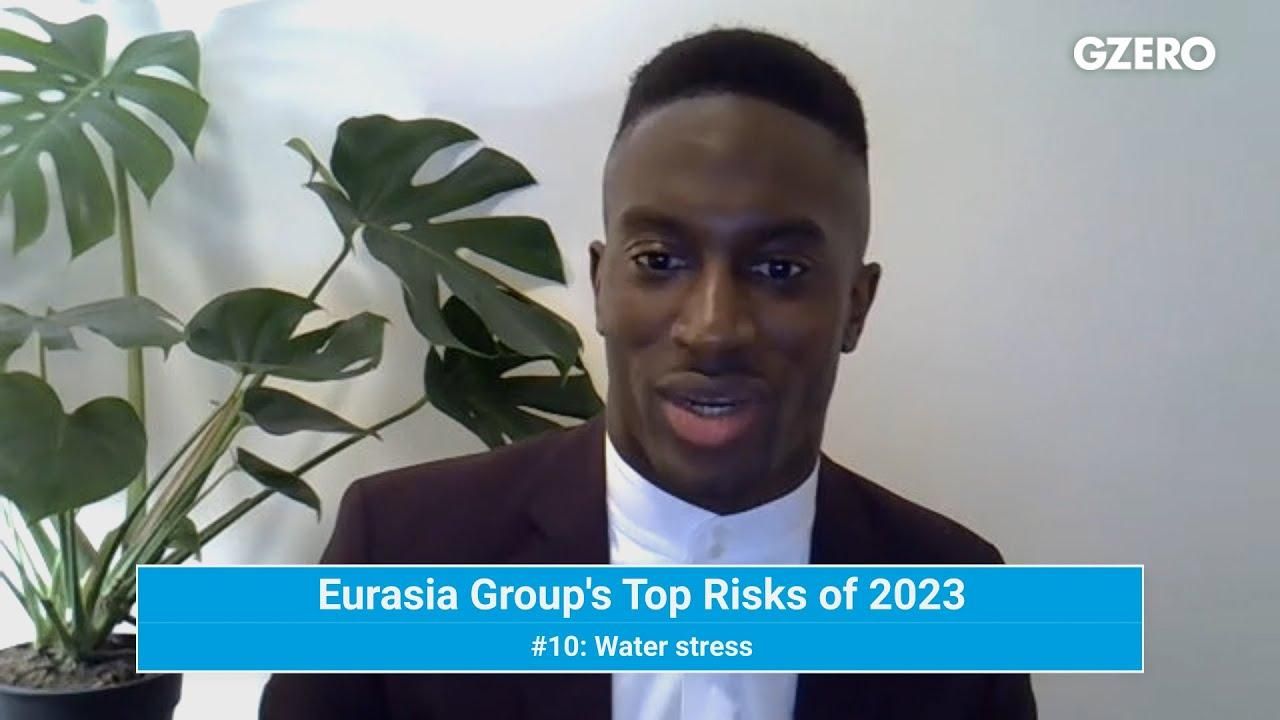
Water Will Become Very Political in 2023, Says Eurasia Group Analyst | GZERO Media
Perhaps the biggest surprise in Eurasia Group's top 10 geopolitical risks for 2023 is No. 10: water scarcity. But you should definitely pay attention to it.
The problem is that we take access to water for granted, says Eurasia Group analyst Franck Gbaguidi.
And while we've kept ignoring the issue, now the global population has hit 8 billion people. What's more, climate change is making water even less plentiful — and therefore more political.
Gbaguidi is not optimistic on the odds of global cooperation and forecasts four big things that might happen this year related to water.
Alberta is staying in Canada. But the more important results may have come from the nine other questions on the referendum ballot that have received considerably less attention.
A Democratic sweep in 2026 could shake up Washington. Will it change Trump’s grip on power or set the stage for 2028? Amy Walter and Liam Donovan join Ian Bremmer on GZERO World.
Could China give Europe a shortcut in the AI race?
Europe has struggled to build models that compete with American and Chinese rivals. But Chinese models that companies can download, customize, and run themselves could offer another way forward—with more control over data and security.