From the bloodied streets of Baghdad to the umbrella-filled parks of Hong Kong, from Haiti to Ukraine, and Bolivia to Zimbabwe, protesters are out in force in just about every region of the world right now. Here's a look at four of the biggest protests going on today.
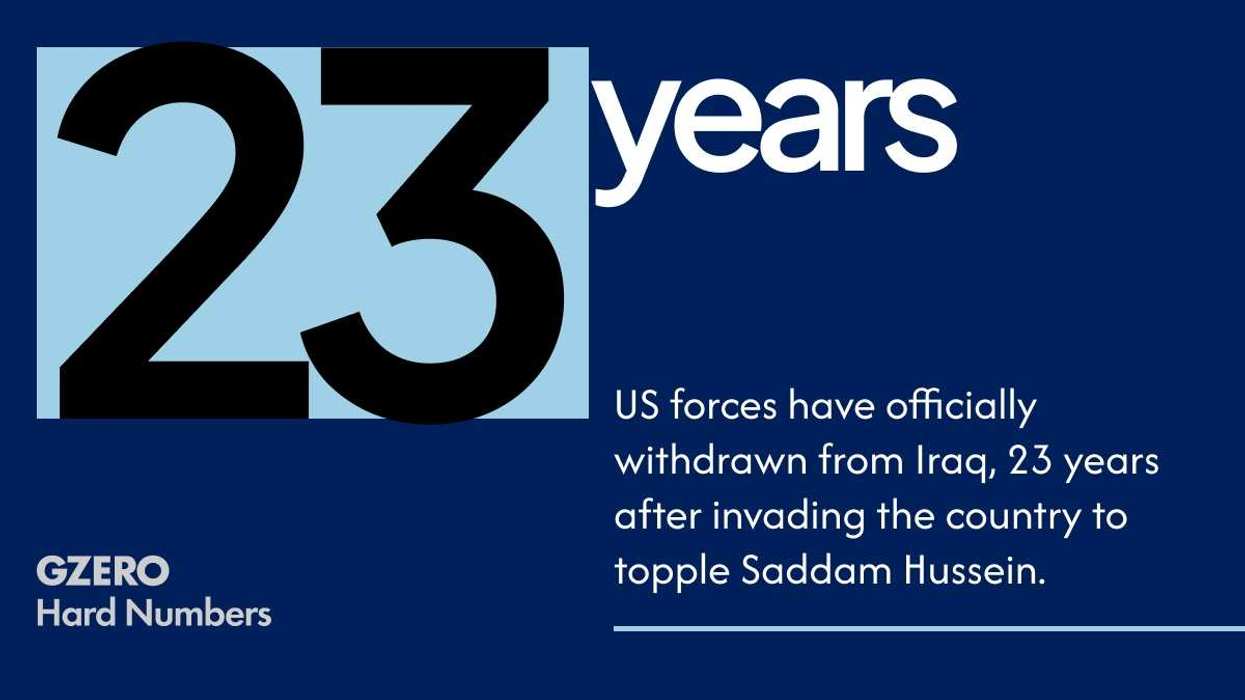
Iraq: Deadlier by the day– Tens of thousands of peaceful demonstrators poured onto the streets of Baghdad and other cities, demanding an end to corruption and high unemployment. The uprising, the first since Prime Minister Adil Abdul Mahdi came to power a year ago, has been spontaneous and driven chiefly by young people. Most of them have no memory of Saddam Hussein's brutal reign, and they resent not having benefited from the stability that was supposed to come after years of sectarian violence and military occupation. The government has responded with a brutal clampdown that's further inflamed public rage: at least 110 people have been killed and scores injured. Even if Abdul Mahdi falls, will a subsequent government be able to meet these expectations?
Haiti: On the brink of crisis – It's been four weeks since thousands of people flooded the streets of Port-au-Prince, Haiti's capital, demanding the resignation of President Jovenel Moise. They're outraged over political corruption, soaring inflation and shortages of basic supplies including fuel and food. Some 2.6 million Haitians were vulnerable to food shortages before the protests began, but demonstrators' barricades of large rocks and burning tires have cut off the flow of goods and humanitarian aid to many of Haiti's already-struggling localities. As government forces respond with a heavier hand, and protests turn deadlier – at least 17 have been killed and 200 injured –schools remain closed for 2 million pupils. If the status-quo continues, a full-blown humanitarian crisis could ensue, the United Nation warns.
Hong Kong: Not going anywhere – What began 18 weeks ago as pushback to a now-withdrawn extradition bill, has evolved into a pro-democracy movement opposing Beijing's encroachment on the semi-autonomous territory's unique freedoms. The rallies have grown violent in recent weeks, with protesters setting fires and, in some instances, using petrol bombs. Meanwhile, last week, police used lethal force for the first time. The temperature has risen further since Carrie Lam, Hong Kong's Chief Executive, used colonial-era emergency powers to ban face masks at public gatherings. The gas-mask clad movement appears more emboldened than ever, but Hong Kong's government shows no signs of backing down either: over the weekend, Lam issued a not so veiled threat that Beijing could intervene to quash the protests. But China's President Xi Jinping faces a big choice: doing nothing risks the appearance of weakness, while cracking down could ruin one of the world's main financial hubs.
Algeria: Swapping cronies isn't enough – It's been eight months since protesters took to the streets demanding the ouster of former President Abdelaziz Bouteflika. The 82-year old was kicked out in April after 20 years at the helm, replaced by a military-backed government run by army chief Ahmed Gaid Salah. Protesters say they won't stop until a civilian democracy is installed, but so far, the political and military strongmen considered to be Algeria's true power brokers, known as "le pouvoir" (the power), have refused to make real concessions. An election is slated for December, but protesters have rejected it, saying it won't be free or fair as long as Bouteflika's cronies maintain positions in the government. Thousands of protesters continue to flood the streets, and the government appears determined to keep a firm grip on power: In July, 18 protesters were arrested and put on trial for "undermining national unity." The regime says it's in a transition period and working on reforms. But people on the streets merely see the replacement of one corrupt regime with another.
Where do these protests ever lead? Last month we wrote about the resurgence of protests among Egypt's youth. But that was swiftly quashed. And France's once-potent Yellow Vest movement has also fizzled. Protests are one thing. Systemic change is another.