
Skip to content
Search

Latest Stories

GZERO AI

Hard Numbers: Profitable prompts, Happy birthday ChatGPT, AI goes superhuman, Office chatbots, Self-dealing at OpenAI, Saying Oui to Mistral

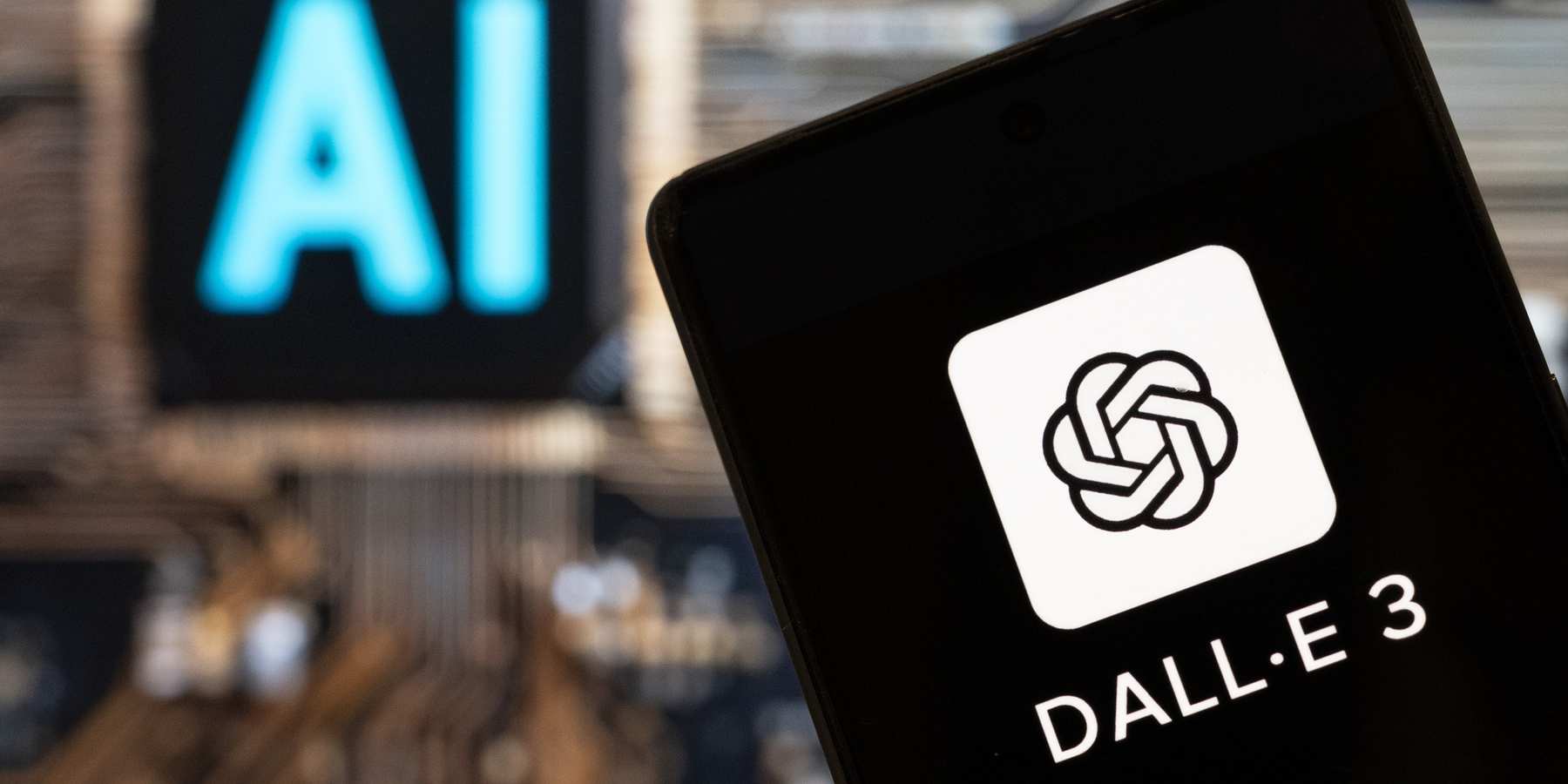
Photo illustration showing the DALL-E logo on a smartphone with an Artificial intelligence chip and symbol in the background.​

Photo illustration showing the DALL-E logo on a smartphone with an Artificial intelligence chip and symbol in the background.

Budrul Chukrut/SOPA Images/Sipa USA via Reuters

$200,000: Want an image of a dog? DALL-E could spit out any breed. Want an Australian shepherd with a blue merle coat and heterochromia in front of a backdrop of lush, green hills? Now you’re starting to write like a prompt engineer, and that could be lucrative. Companies are paying up to $200,000 for full-time AI “prompt engineering” roles, placing a premium on this newfangled skill. It's all about descriptive fine-tuning of language to get desired results.


1: Can you believe it’s only been one year since ChatGPT launched? It all started when OpenAI CEO Sam Altman tweeted, “today we launched ChatGPT. Try talking with it here.” Since then, the chatbot has claimed hundreds of millions of users.

56: Skynet, anyone? No thanks, say 56% of Americans, who are concerned with AI gaining “superhuman capabilities” and support policies to prevent it, according to a new poll by the AI Policy Institute.

$51 million: In 2019, OpenAI reportedly agreed to buy $51 million worth of chips from Rain, a “neuromorphic” chip-making startup, meant to mirror the activity of the human brain. Why is this making news now? According to Wired, OpenAI’s Sam Altman personally invested $1 million in the company.

$20: You work at a big company and need help sifting through sprawling databases for a single piece of information. Enter AI. Amazon’s new chatbot, called Q, costs $20 a month and aims to help with tasks like “summarizing strategy documents, filling out internal support tickets, and answering questions about company policy.” It’s Amazon’s answer to Microsoft’s work chatbot, Copilot, released in September.

$2 billion: French AI startup Mistral is about to close a new funding round that would value it at $2 billion. The new round, worth $487 million, includes investment from venture capital giant Andreessen Horowitz, along with chipmaker NVIDIA and the business software firm Salesforce. Mistral, founded less than a year ago, boasts an open-source large language model that it hopes will rival OpenAI’s (ironically) closed-source model, GPT4. What’s the difference? Open-source LLMs publish their source code so it can be studied and third-party developers can build off of it.

More For You

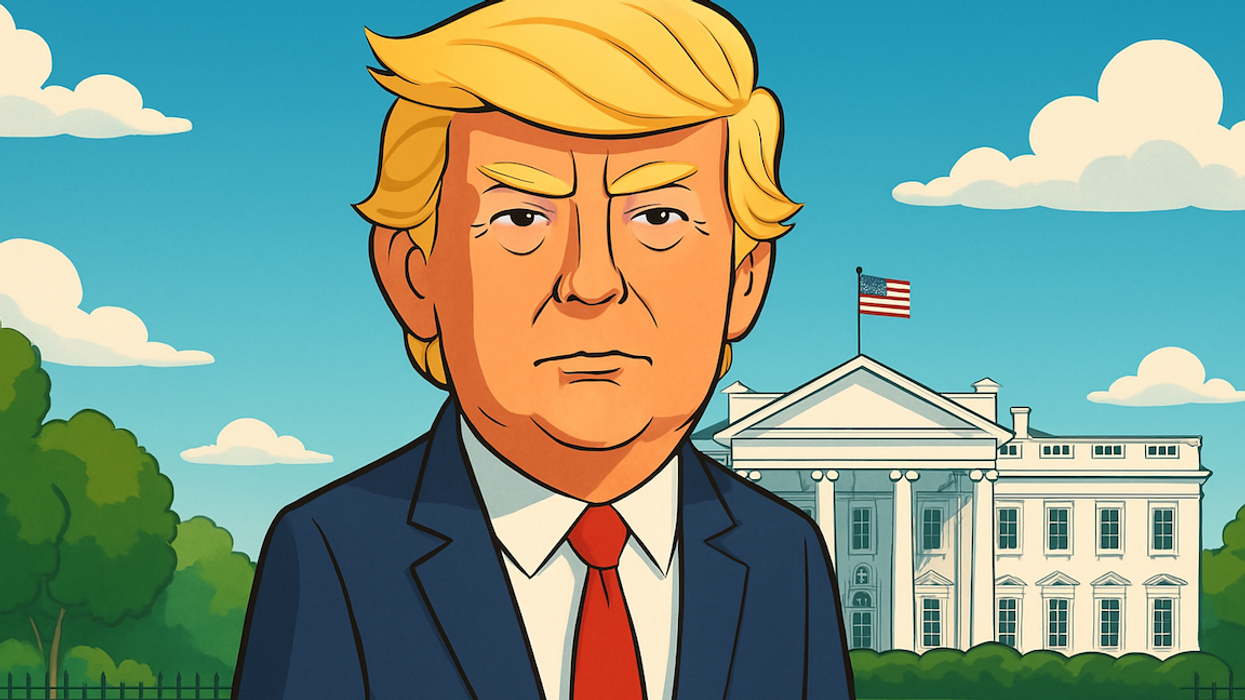
What we learned from a week of AI-generated cartoons
Courtesy of ChatGPT
Last week, OpenAI released its GPT-4o image-generation model, which is billed as more responsive to prompts, more capable of accurately rendering text, and better at producing higher-fidelity images than previous AI image generators. Within hours, ChatGPT users flooded social media with cartoons they made using the model in the style of the [...]
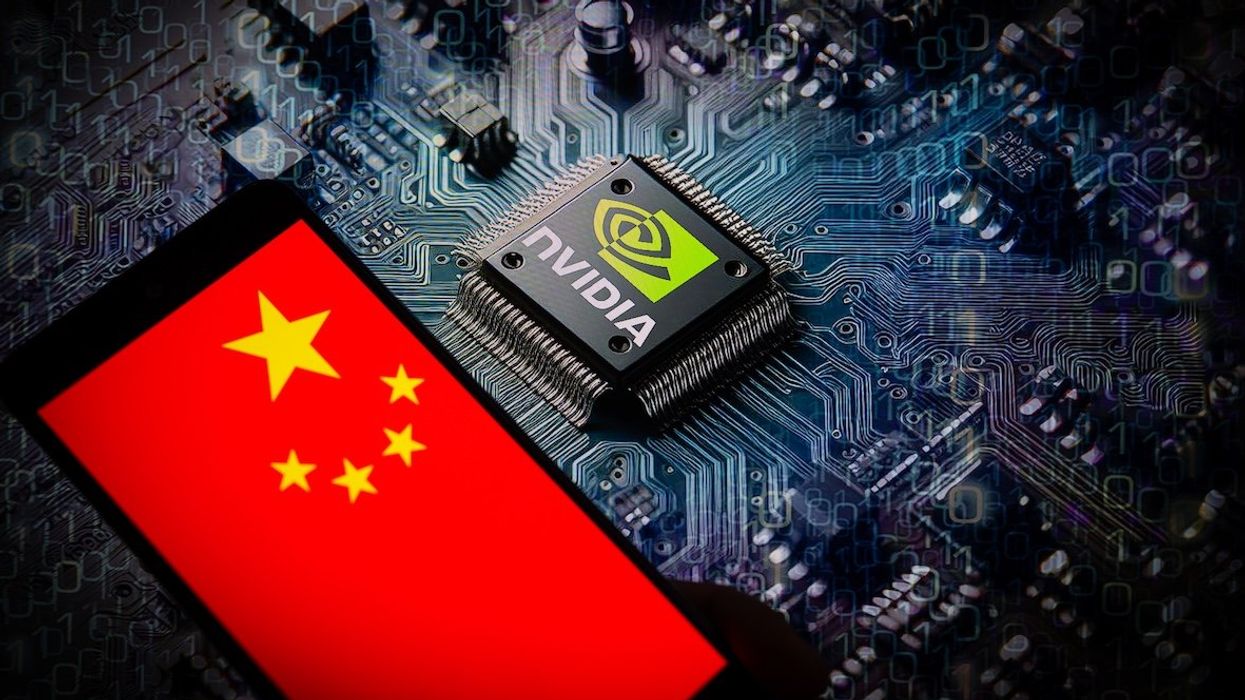
The flag of China is displayed on a smartphone with a NVIDIA chip in the background in this photo illustration.

The flag of China is displayed on a smartphone with a NVIDIA chip in the background in this photo illustration.

Jonathan Raa/NurPhoto via Reuters
H3C, one of China’s biggest server makers, has warned about running out of Nvidia H20 chips, the most powerful AI chips Chinese companies can legally purchase under US export controls. [...]
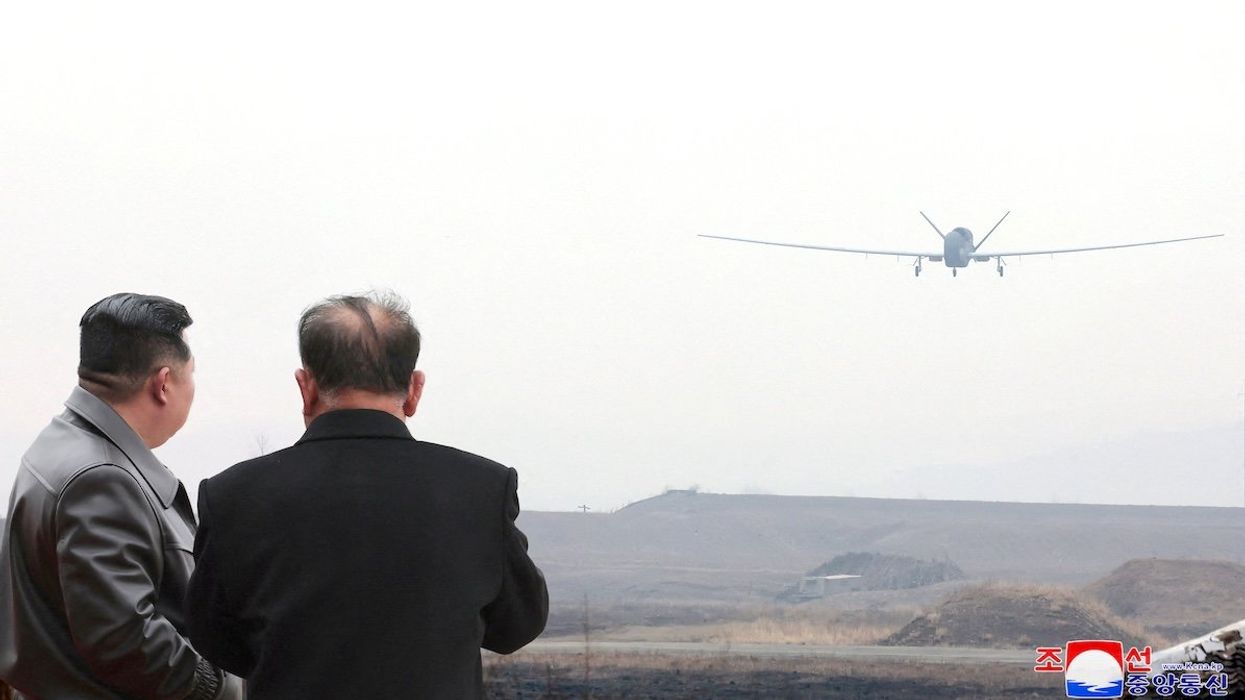
​North Korean leader Kim Jong Un supervises the test of suicide drones with artificial intelligence at an unknown location, in this photo released by North Korea's official Korean Central News Agency on March 27, 2025.

North Korean leader Kim Jong Un supervises the test of suicide drones with artificial intelligence at an unknown location, in this photo released by North Korea's official Korean Central News Agency on March 27, 2025.

KCNA via REUTERS
Hermit Kingdom leader Kim Jong Un has reportedly supervised AI-powered kamikaze drone tests. He told KCNA, the state news agency, that developing unmanned aircraft and AI should be a top priority to modernize North Korea’s armed forces. [...]
The logo for Isomorphic Labs is displayed on a tablet in this illustration.

The logo for Isomorphic Labs is displayed on a tablet in this illustration.

Igor Golovniov/SOPA Images/Sipa USA via Reuters
In 2024, Demis Hassabis won a Nobel Prize in chemistry for his work in predicting protein structures through his company, Isomorphic Labs. The lab, which broke off from Google's DeepMind in 2021, raised $600 million from investors in a new funding round led by Thrive Capital on Monday. The company did not disclose a valuation. [...]