Skip to content
Search

Latest Stories

News

Is Europe in danger of losing its sovereignty?

Is Europe in danger of losing its sovereignty?

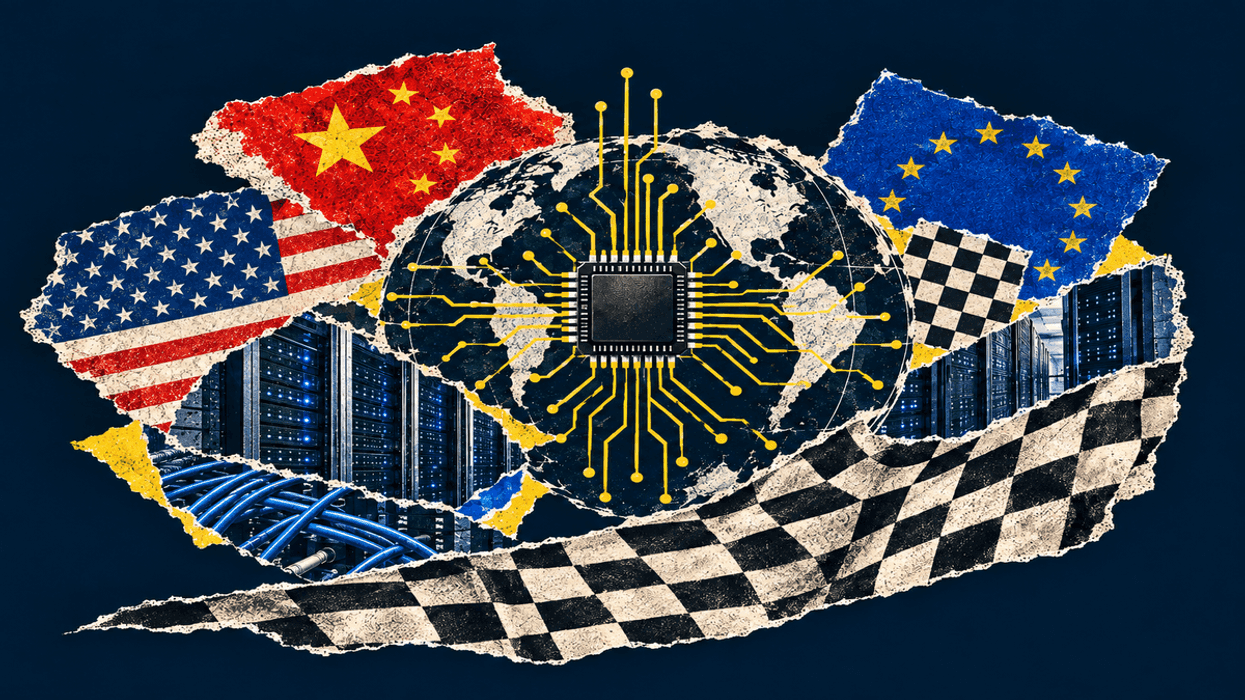
It used to be that a country's sovereignty – its ability to do what it wants at home and abroad – depended mostly on military or economic clout. But in the digital age, when the ability to make sense of massive amounts of data will increasingly determine economic and military might, that's changing.


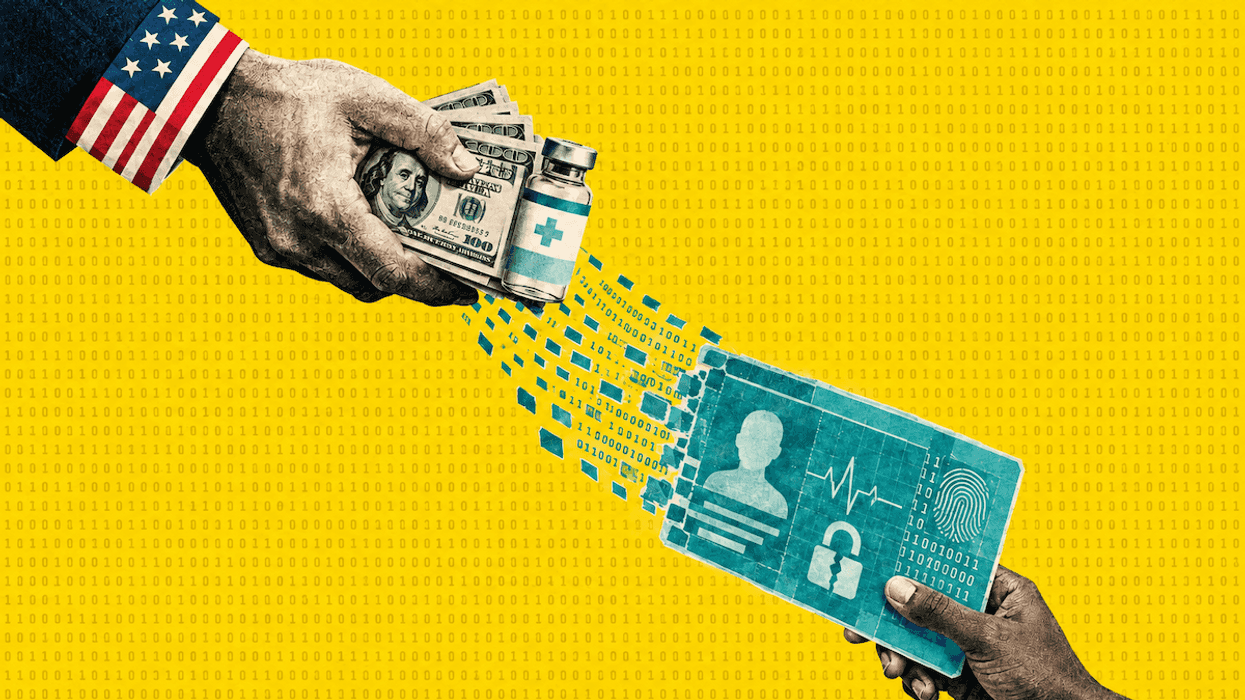
For the EU in particular, that's a problem: The world's largest economic bloc doesn't have anything comparable to Silicon Valley, whose massive digital companies lord over the data of billions of people and are poised to lead the next wave of digital innovation. Meanwhile, its companies in the US and East Asia make much of the physical hardware, like semiconductors, that powers the digital economy. Long-term, there's a risk that Europe could be cut off from key technologies in a crisis or end up overly dependent on tech companies in countries that might not always share Brussels' values on privacy and human rights.

Ursula von der Leyen, the incoming president of the European Commission, wants that to change. She's making a big push for "technological sovereignty" during her upcoming 5-year term. How?

First, by saying "no" to foreign tech giants that want access to Europe's lucrative market of 400-million consumers without respecting privacy rights. Brussels has had some success here: its strict data protection laws have already forced some of the world's biggest websites to conform their data practices to EU laws.

But being a regulatory superpower isn't enough. Europe also needs to ensure that its companies can compete in the digital age. Consider Europe's vitally important car industry, where the increasingly complex software that makes vehicles run will soon be more valuable than the rest of the car's parts combined. If one of Europe's most vital industries ends up beholden to foreign tech companies, its technological sovereignty will be in question.

Still, shoring up tech sovereignty won't be easy. The US and China aren't going to look kindly on attempts to rein in Silicon Valley. The US has already threatened tariffs in response to France's move to slap a tax on big digital firms, arguing that Paris unfairly singled out US tech companies. Uncle Sam isn't going to take other aggressive regulation from Brussels lying down. And trying to shut out Chinese 5G suppliers in order to give European manufacturers a leg up might stoke anger in Beijing.

What's more, the EU is actually 28 (ok, soon 27) countries who themselves don't all agree on questions about privacy regulation or how best to foster European technology champions. When Brussels comes asking them to change their views, they may refuse, citing their own...sovereignty.


More For You

PA via Reuters Ukraine's Vladyslav Heraskevych, with his helmet, which features pictures of people killed in the war with Russia. Heraskevych was ruled out of the Men's Skeleton event by the International Olympic Committee just over an hour before competition began, pictured at the Cortina Sliding Centre, on day six of the Milano Cortina 2026 Winter Olympics, Italy. Picture date: Thursday February 12, 2026.

PA via Reuters Ukraine's Vladyslav Heraskevych, with his helmet, which features pictures of people killed in the war with Russia. Heraskevych was ruled out of the Men's Skeleton event by the International Olympic Committee just over an hour before competition began, pictured at the Cortina Sliding Centre, on day six of the Milano Cortina 2026 Winter Olympics, Italy. Picture date: Thursday February 12, 2026.

20: The number of fallen Ukrainian athletes and coaches depicted on a Ukrainian skeleton racer’s helmet at the Winter Olympics, which prompted the International Olympic Committee (IOC) to disqualify him on Thursday. The IOC said the helmet violated Olympic rules, which prohibit political messaging during games. Critics of the disqualification said [...]
​Russian President Vladimir Putin attends his annual end-of-year press conference and phone-in in Moscow, Russia December 19, 2025.

Russian President Vladimir Putin attends his annual end-of-year press conference and phone-in in Moscow, Russia December 19, 2025.

Sputnik/Alexander Kazakov/Pool via REUTERS
Russia tries to control the message, literally.The Russian government has begun blocking the popular messaging apps WhatsApp and Telegram in a sweeping crackdown aimed at forcing Russians to use a state-backed alternative called MAX, which critics say would enable censorship and surveillance. The move is part of the Kremlin’s broader drive for [...]
Donald Trump alongside Nigel Farage at the Trump Turnberry course in South Ayrshire, United Kingdom, on May 3, 2023.

Donald Trump alongside Nigel Farage amid a television interview at his Trump Turnberry course in South Ayrshire during his visit to the United Kingdom, on May 3, 2023.

PA via Reuters
Allies of US President Donald Trump have long sought to build bridges with European counterparts. They have a close relationship with supporters of Hungarian Prime Minister Viktor Orbán, hosting conferences together, such as CPAC, in Budapest. Elon Musk campaigned for Alternative for Germany (AfD) ahead of last year’s federal elections while he [...]
Photo by Kim Kyung-Hoon - Pool/Getty Images

TOKYO, JAPAN - FEBRUARY 8: Japan's Prime Minister Sanae Takaichi, leader of the ruling Liberal Democratic Party (LDP), places a red paper rose on the name of an elected candidate at the LDP headquarters on general election day on February 08, 2026 in Tokyo, Japan. Voters across the country headed to polls today as Japan's Lower House election was held.

Photo by Kim Kyung-Hoon - Pool/Getty Images
When Japanese Prime Minister Sanae Takaichi called snap elections last month, it was a big gamble. Holding a winter election just four months into her tenure with no real policy record to run on? Staking her sky-high approval ratings – then hovering around 70% – on an untested bet that personal popularity would translate into seats? The [...]