Sixty-five years ago this morning, nearly 1,500 CIA-trained Cuban exiles stormed a beach on the southwestern coast of Cuba. Their aim was to spark a nationwide uprising against the new, revolutionary government of Fidel Castro. The Americans were confident – after all, they’d used a similar approach to overthrow the leftist president of Guatemala a few years earlier.
But in Cuba, it was a disaster.
Lacking proper air support or equipment, the US-backed forces were crushed in two days. The Cubans killed at least a hundred of the troops and paraded the rest as POWs in a Havana sports stadium, ultimately returning them to the US in exchange for more than $50 million in food and economic aid. (Havana’s initial demand was for 400 tractors, prompting former first lady Eleanor Roosevelt to form a short-lived “Tractor Committee.”)
The entire episode, known in English as the “Bay of Pigs Invasion” and to Cubans as the battle of Playa Girón, had backfired spectacularly for Washington. Rather than stoking a counterrevolution, Cuba’s unlikely victory only deepened popular support for Castro, both inside Cuba and across Latin America.
Importantly, it also convinced Castro that there was no modus vivendi, or practical arrangement, to be had with Cuba’s massive, meddlesome northern neighbor. In the wake of the invasion he cast his lot fully with the Soviet Union, solidifying a confrontation with the US that continues to this day.
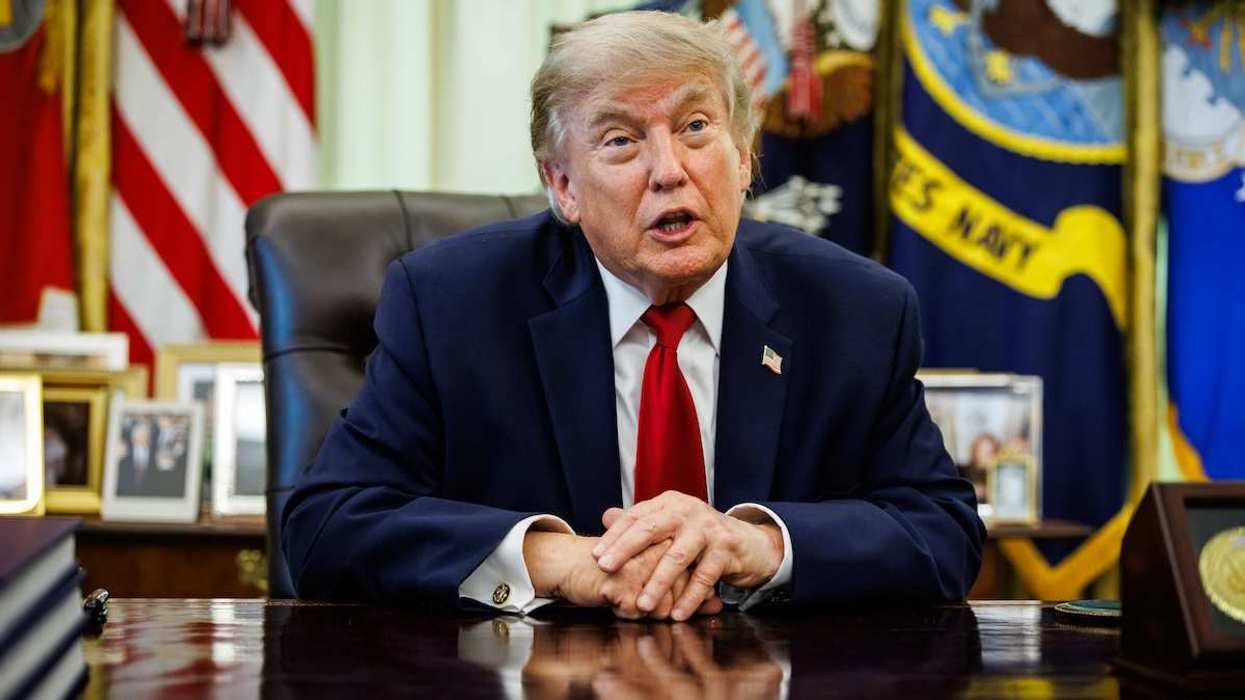
Now, more than half a century later, the United States is once again signaling possible military action against Cuba, with the Pentagon reportedly preparing options for President Donald Trump as he continues to press the communist-run island to strike a “deal.”
Since January, when the US effortlessly deposed Venezuelan strongman Nicolás Maduro, whose cheap oil flows were a key pillar for the Cuban economy, Trump has ratcheted up the pressure, blockading the island and threatening to “take” it.
What a Trump-Cuba deal might look like is still unknown, but the US president seems to be focusing chiefly on a significant economic opening. Demands for political change on the island are reportedly not high on the agenda.
On the one hand, experts say, that approach reflects the reality on the ground in today’s Cuba. Although the island is wracked by severe economic and humanitarian crises – the result of decades of mismanagement, strict US sanctions, and the more recent blow of the pandemic – it is still a “mature, well institutionalized Communist party system,” according to William LeoGrande, a Cuba scholar at American University in Washington, D.C.
The government, and the party, are firmly in control at all levels. “Cuba is not Venezuela,” where the system was more brittle and Maduro himself held far more power than any single figure in Cuba today. What’s more, there is still no organized political opposition on the island, meaning no one who could lead any significant change or transition.
But at the same time, this approach reflects a significant change in how Washington views Cuba, and the Americas more broadly, in the age of Trump. The US president is keenly interested in exerting US power and dominance over the Western Hemisphere, as we know. But he is extremely wary of the messy, quagmire-adjacent business of actually changing regimes and nurturing democracies.
“The thing he is most afraid of,” says LeoGrande, is “instability, particularly instability that unleashes migration.”
Previous presidents have used the stick of sanctions and the carrot of economic engagement as a way to nurture political transition in Cuba. This is precisely what former US President Barack Obama did in 2015 in a deal that may be the template for what Trump is looking to achieve now. The difference with Trump is that he views the economic aspects of a deal as an end themselves, rather than as prelude to a new political order.
“The immediate priority is transactional and economic, and much less focused on trying to generate the conditions for political change,” says Risa Grais-Targow, a Cuba expert at Eurasia Group.
That would suit the current Cuban leadership just fine, she says, as their number one concern is to stay in power. Does that make a “win” more likely in Cuba? Possibly, she says. “Trump’s need for a true foreign policy win right now lowers the bar in terms of what they’re willing to accept.”
Meanwhile, the Cuban regime itself remains defiant. On the eve of the Bay of Pigs anniversary, the state newspaper Granma ran a huge splash headline over remarks by President Miguel Díaz-Canel commemorating the events.
“Cuba does not surrender!” it blared. “Nobody here surrenders!”