In memoriam: Dr. Henry Kissinger (1923-2023)
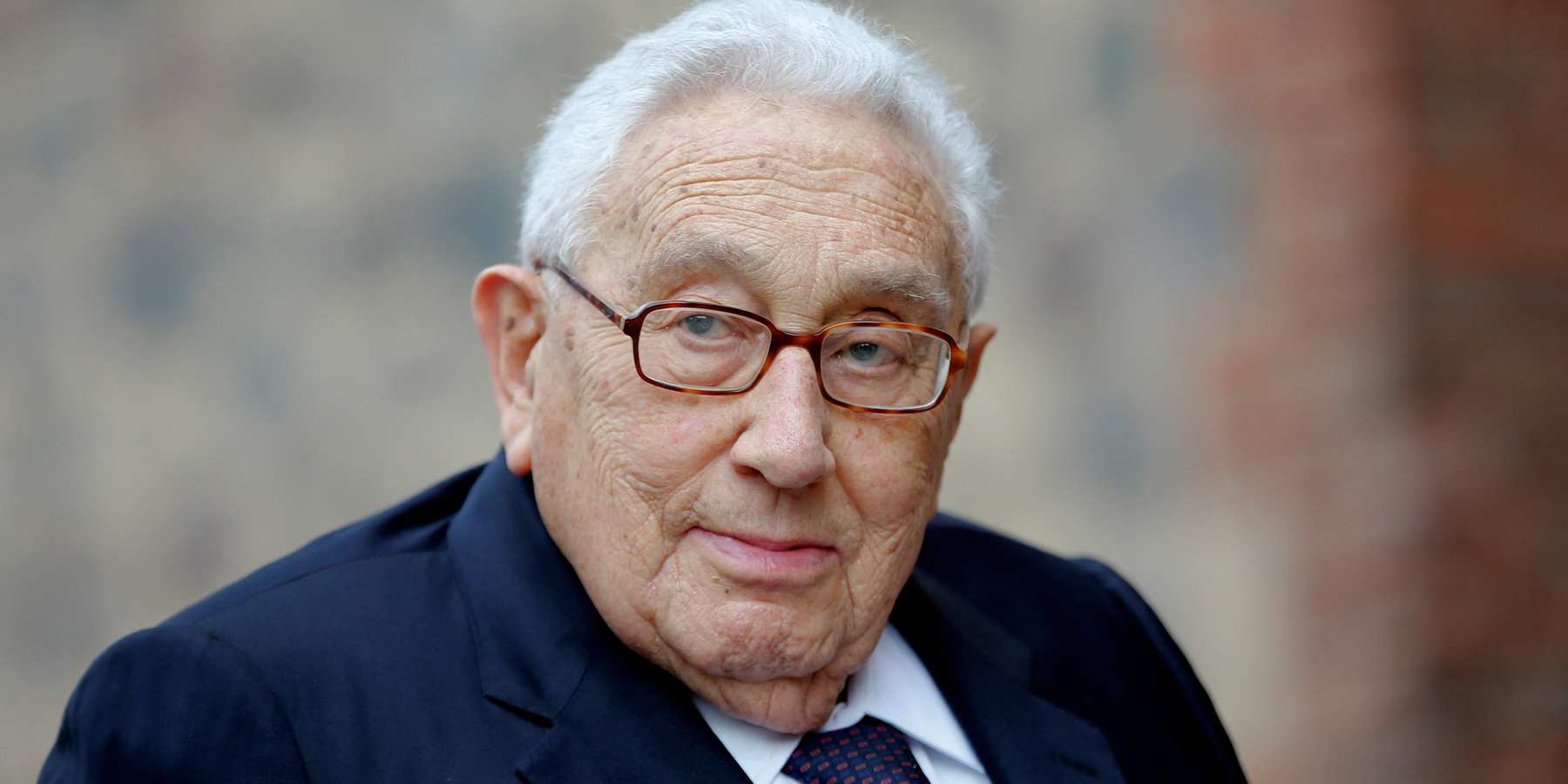
From America to China to the social media universe, the world marked the passing of diplomat and presidential adviser Dr. Henry Kissinger, whose realpolitik approach to foreign policy definitively shaped the course of international relations in the 20th century.
Born in Germany in 1923, Henry Alfred Kissinger emigrated to the United States in 1938 and became a citizen in 1943. He served three years in the US Army and later in the Counter Intelligence Corps, earned a Ph.D., and became a professor of international relations at Harvard before embarking on a diplomatic career in the service of three American presidents – John F. Kennedy, Richard Nixon, and Gerald R. Ford.
At the time, America was mired in conflict: The Vietnam War seemed intractable, the Cold War raged white hot, and the Middle East was a tinderbox. Kissinger’s realpolitik approach helped the United States navigate all these conflicts. As national security adviser and later as secretary of state, Kissinger was instrumental in opening diplomatic relations with China in 1972 and negotiating the Strategic Arms Limitation Talks (SALT I) with the former Soviet Union. He defined the term “shuttle diplomacy” for his mediation work in the Middle East during the Yom Kippur War in 1973.
That year, Kissinger was also awarded the Nobel Peace Prize for his efforts in brokering a ceasefire to the Vietnam War, together with Vietnamese diplomat Le Duc Tho (who refused to accept). Admirers lauded him as a skilled tactician in a time of great peril. Nixon’s daughters, Tricia Nixon Cox and Julie Nixon Eisenhower, said their father and Kissinger enjoyed “a partnership that produced a generation of peace for our nation.” Former US President George W. Bush said "America has lost one of the most dependable and distinctive voices on foreign affairs.”
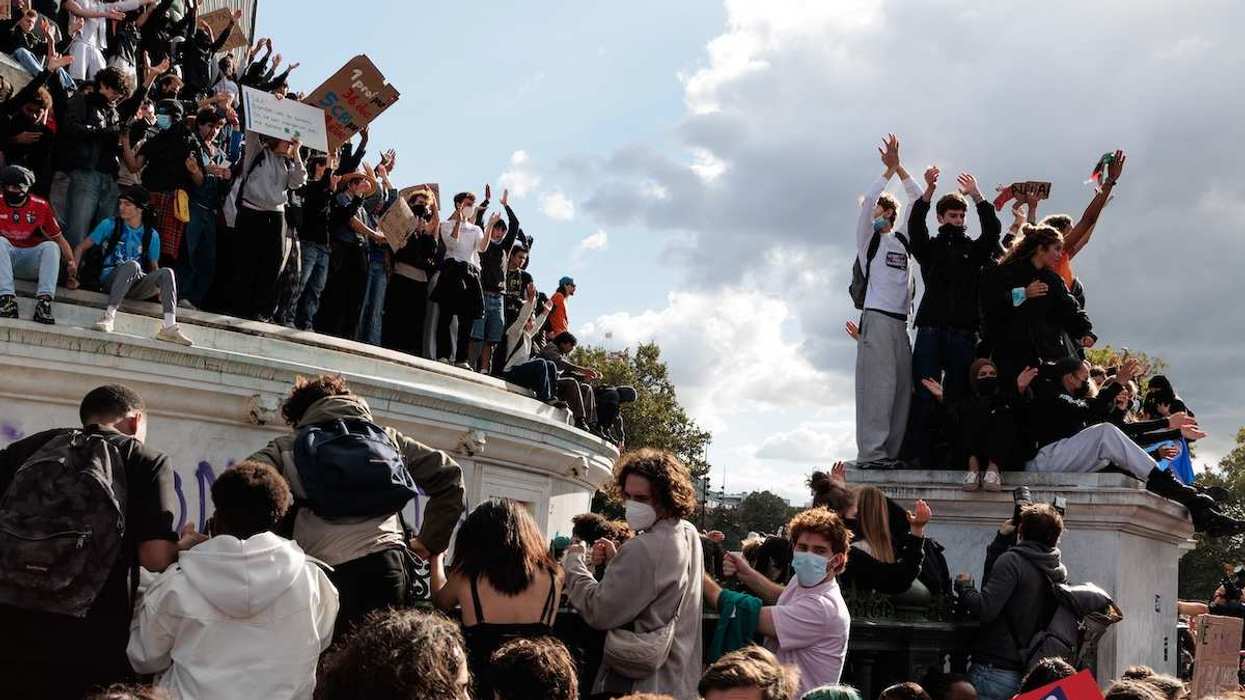
Kissinger was not without controversy, however. Detractors blamed him for the deaths of millions of Cambodians during the Vietnam War and for supporting repressive regimes including that of Augusto Pinochet in Chile. Upon his death, Rolling Stone Magazine ran the headline, “Henry Kissinger, war criminal beloved by America’s ruling class, finally dies.” On X, "RIP BOZO," referring to a meme celebrating someone's death, trended in the top 10 together with "IT FINALLY HAPPENED," while "War criminal" reached the top 25.
Kissinger would have likely met these criticisms with the same sangfroid that marked his diplomatic career. Shortly before his 100th birthday, he told CBS that such comments are “… a reflection of their ignorance.”
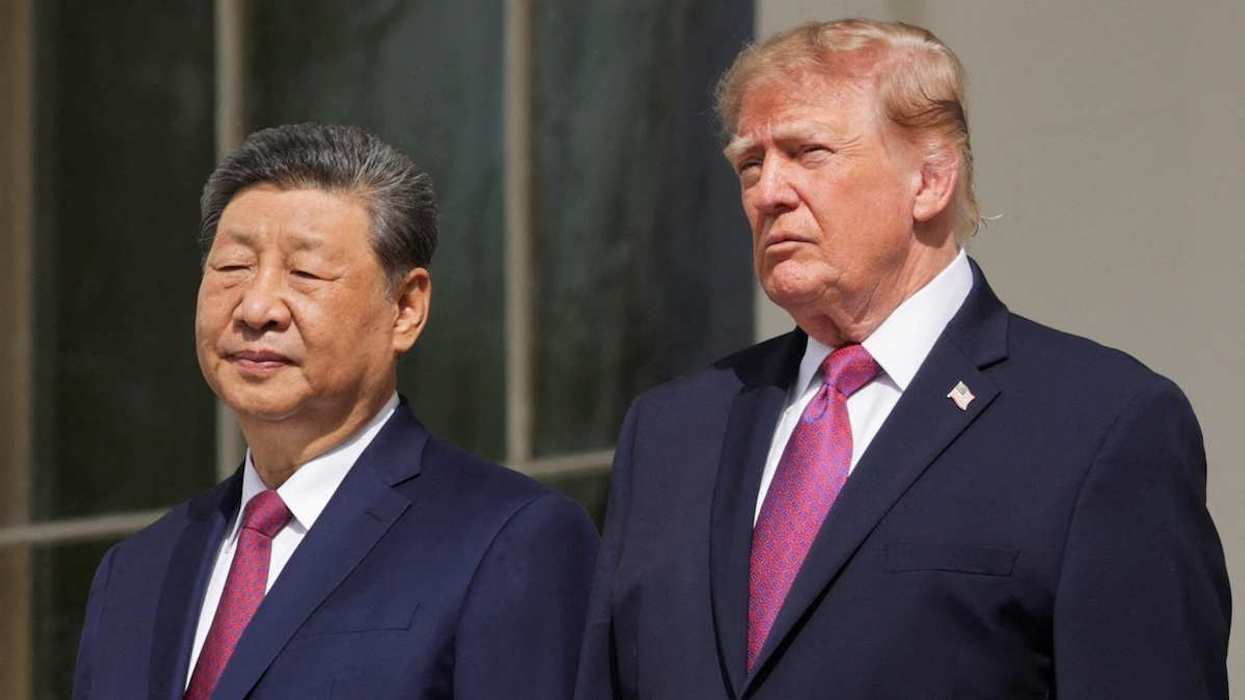
After leaving the US government, Kissinger continued to provide counsel to world leaders until the last days of his life. In September, he met with Israeli Prime Minister Benjamin Netanyahu in New York; in July, he met with Chinese President Xi Jinping in Beijing. The Chinese Ambassador to the United States Xie Feng said he was “deeply shocked and saddened” by Kissinger’s death. “He will always remain alive in the hearts of the Chinese people as a most valued old friend.”
Kissinger was also a prolific author, penning 21 books on topics as varied as politics in the nuclear age, the rise of China, the art of diplomacy, and most recently, the promise and perils of artificial intelligence. He leaves behind his wife of nearly 50 years, Nancy Kissinger, his two children from a previous marriage, Elizabeth and David, and five grandchildren.
WATCH: On Henry Kissinger's 100th birthday in May, GZERO's Ian Bremmer reflected on his legacy.