
Skip to content
Search

Latest Stories

afghanistan withdrawal

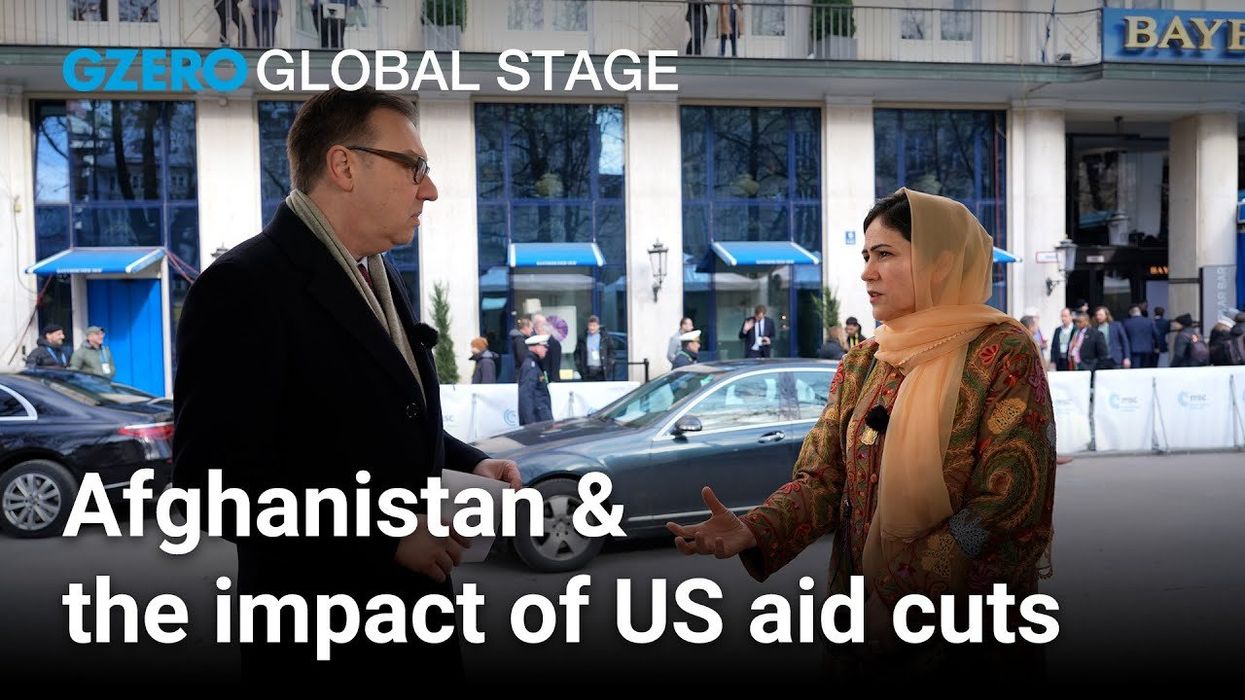
Afghanistan’s crisis deepens: Fawzia Koofi on Taliban rule and global response
Global Stage Interviews

Afghanistan’s crisis deepens: Fawzia Koofi on Taliban rule and global response

“The Taliban’s war is against women,” Fawzia Koofi, former Afghan parliamentarian, and women’s rights activist, told GZERO’s Tony Maciulis on the sidelines of the 2025 Munich Security Conference.

The volunteer US military & America's shame post-Afghanistan
GZERO World Clips

The volunteer US military & America's shame post-Afghanistan

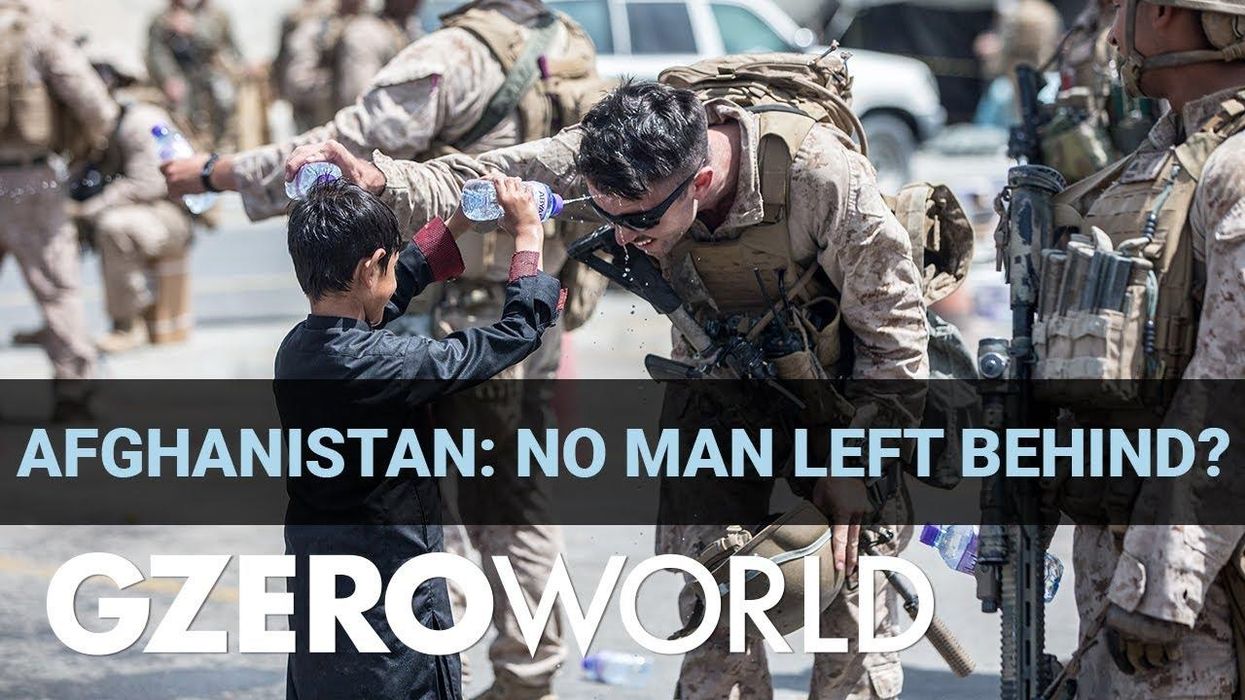
For Elliot Ackerman, leaving no man behind was part of his code of honor when he was first a US marine and later a CIA officer. But the US military principle was not followed when American troops departed Afghanistan a year ago. "There was no process to get our allies out," he tells Ian Bremmer on GZERO World.

Geopolitical fallout over US exit from Afghanistan less than feared
Viewpoint

Geopolitical fallout over US exit from Afghanistan less than feared

On the one-year anniversary of the pullout, we asked Eurasia Group senior analyst Ali Wyne what the consequences have been for Afghanistan and the rest of the world.

The fallout from US Afghanistan withdrawal: a Marine's perspective
GZERO World with Ian Bremmer

The fallout from US Afghanistan withdrawal: a Marine's perspective

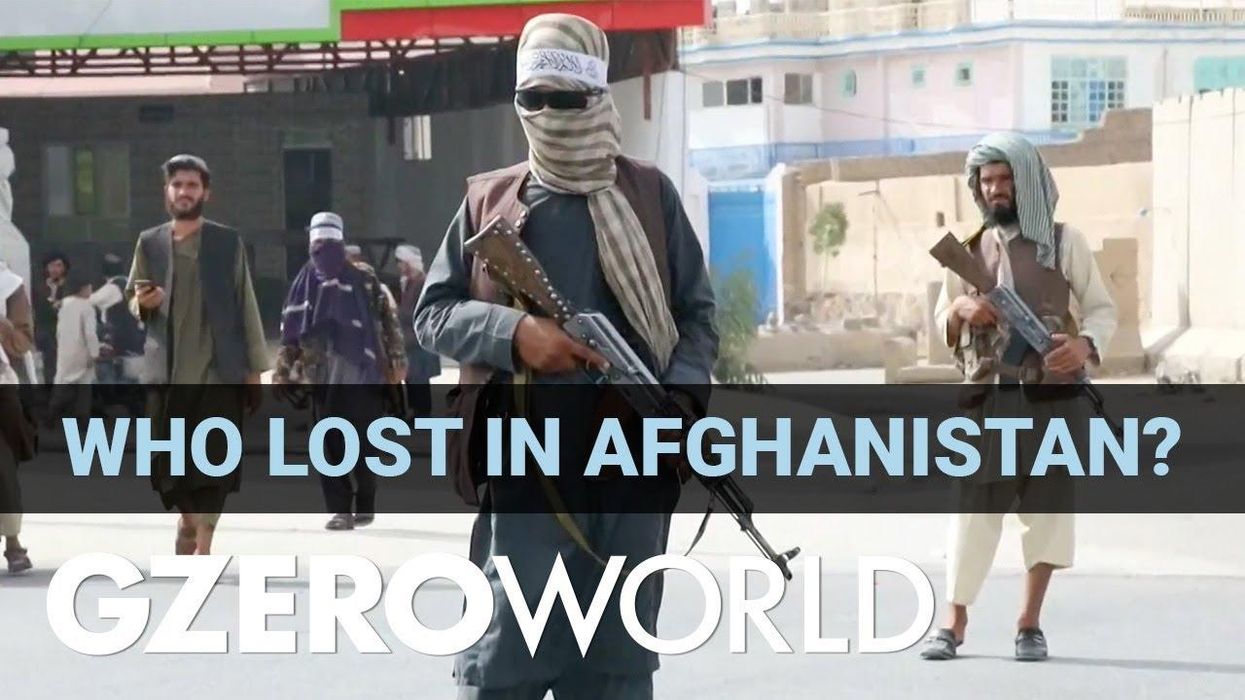
Almost one year ago, US forces departed Afghanistan after two decades of war. Their enemy was the Taliban, who didn't wait for all American soldiers to leave before taking over the country. One year later, Afghanistan is in shambles. On GZERO World, Ian Bremmer speaks to former US marine and CIA officer Elliot Ackerman, whose new book "The Fifth Act," details the chaotic American withdrawal from Afghanistan.

Displaced inside Afghanistan
Graphic Truth

The Graphic Truth: Displaced inside Afghanistan

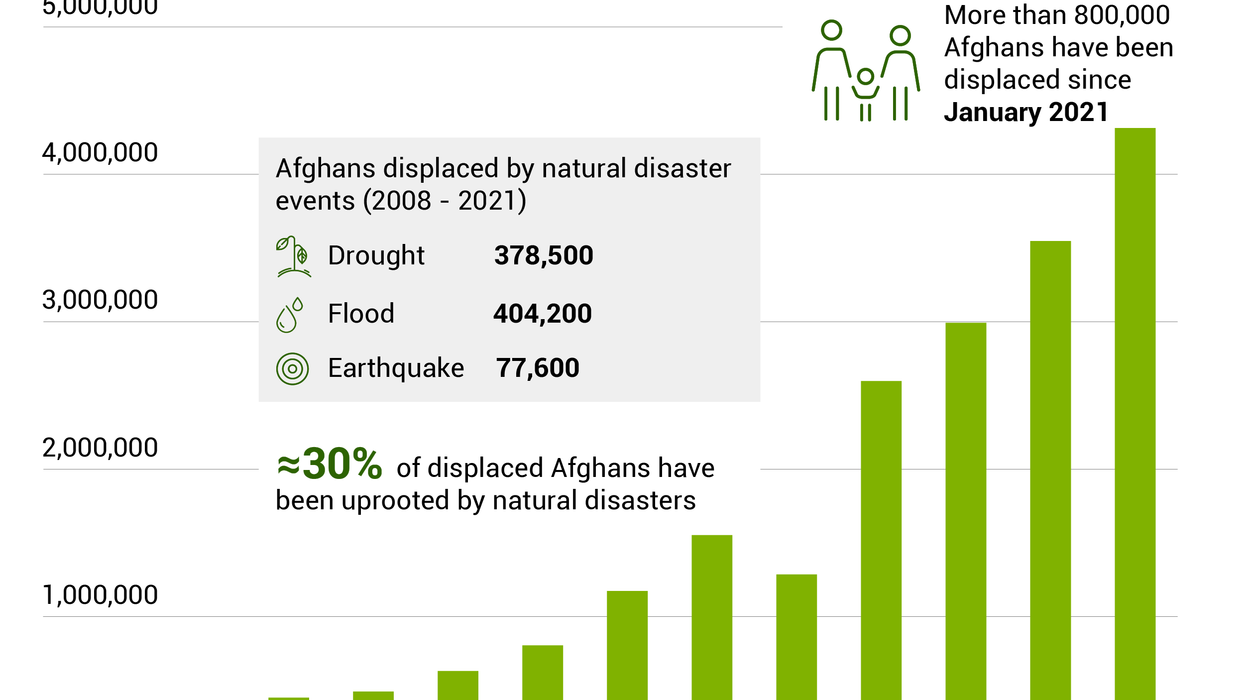
Afghanistan has been mired in war since the Soviet Union invaded the country in the late 1970s. In the post-Soviet era, the vying for influence between different clans and terror groups caused mass migration throughout the landlocked country. This trend continued under the Taliban’s oppressive rule, and the subsequent US invasion of Afghanistan in 2001, which saw millions of Afghans caught in the crossfire of war. But it’s not just conflict that has led to the internal displacement of Afghans. In recent decades, natural disasters – many linked to climate change – have pummeled the country, causing hundreds of thousands to flee. We look at the numbers of internally displaced Afghans since 2008.

What Afhan women lost
Graphic Truth

The Graphic Truth: What Afghan women lost

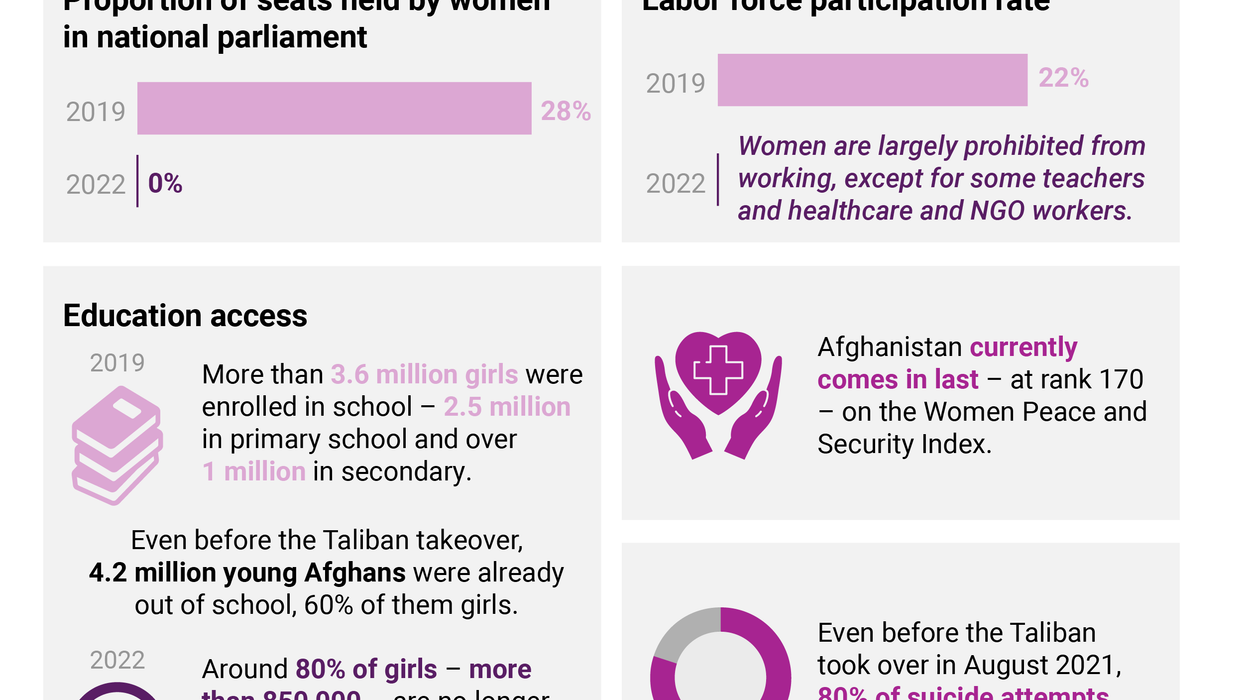
For years, Afghanistan has ranked as one of the world’s worst places to be a woman. But over the past two decades — with the Taliban out of power and a US-backed government calling the shots — things had started to improve. Literacy rates for girls went up, and women were allowed to pursue higher education and more career opportunities — including serving in parliament. In many parts of the country, they also had greater autonomy to travel independently. But that’s all changed since the Taliban returned to power one year ago amid the US’ chaotic withdrawal. Afghan women and girls, many of whom weren’t alive when the Taliban last ruled, are now watching their hard-fought freedoms disappear.

The Taliban’s one-year report card in Afghanistan
News

The Taliban’s one-year report card in Afghanistan

But where does Afghanistan stand on the first anniversary of the Taliban takeover?

Talks with Taliban won’t legitimize them (US already did that)
GZERO World Clips

Talks with Taliban won’t legitimize them (US already did that)

Want the Taliban to form a more inclusive Afghan government? Talk to them. Otherwise, don't complain about millions of starving Afghans. That's the advice of Hina Khar, Pakistan's former foreign minister, to Western nations who say they don't want to "enable" the regime.

US has set the stage for Afghanistan’s humanitarian disaster, says Hina Khar
GZERO World Clips

US has set the stage for Afghanistan’s humanitarian disaster, says Hina Khar

Afghans are starving. Not just because the Taliban are now in charge, according to Pakistan's former top diplomat. “Of course, people are talking about the starving Afghan people who need our help,” Hina Khar told Ian Bremmer at the 2022 Munich Security Conference. “But that's the white man's burden — not accepting what you did wrong in creating the situation that is starving the Afghans right now.”
